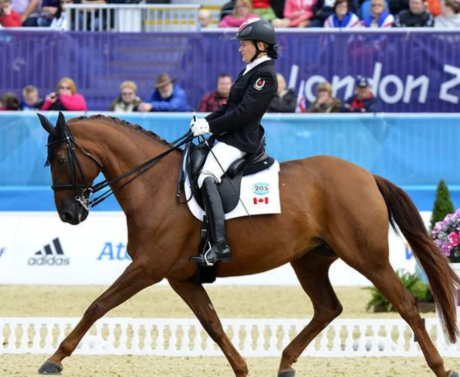
Race day looks glamorous. But it hides a complicated truth.
A jockey crosses the finish line in first place. The crowd roars, and most people assume the paycheck matches the glory. However, the reality of how much horse jockeys make is far more complex than just cashing a winner’s check. While the rider poses for photos in their silks—often crafted by specialized equestrian outfit manufacturers—the financial truth involves a volatile mix of high risks and uncertain rewards.
A top-tier rider can pull in millions per year through prize money splits and sponsorships. An apprentice working the same grueling hours might clear less than a retail manager. Whether they are sourcing gear from global equestrian suppliers or struggling to pay travel costs, the gap between the elite and the average is staggering. This guide breaks down exactly how jockey compensation works, incorporating the business side of the sport, from the custom jockey outfits they wear to the prize pools they chase.
The Real Numbers: Income Sources and Market Realities

Salary data for jockeys varies by source, but the range tells the real story. 2026 data puts the average annual salary for a US horse jockey between $45,715 (ZipRecruiter) and $68,772 (Comparably). Most working riders land around $49,000–$52,000 per year.
These figures can be misleading because they treat riding like a standard 9-to-5 job. It isn’t. A jockey’s income is heavily dependent on location and performance. Riders in San Jose, CA average $135,782—close to double the national figure—while those at mid-market tracks earn significantly less. The top 10% of earners make $55,000+, while the bottom 25th percentile scrapes by on $39,500 or less.
Then there is the outlier tier. Tyler Gaffalione pulled in close to $4 million in a single season. On the global scale, Yutaka Take has built an estimated $970 million in career prize money. But for every Yutaka Take, there are hundreds of riders relying on wholesale equestrian clothing discounts just to keep their overhead low. The average and the ceiling are two different conversations entirely.
A jockey’s income structure is actually a gig-economy model. It isn’t a salary; it is a collection of fees and percentages. Understanding this structure is crucial for anyone interested in the industry, including equestrian clothing manufacturers looking to sponsor riders. The base of a jockey’s income is the mount fee. This is a fixed payment of $25–$150 per race, paid just for showing up and riding. It serves as the floor. In the UK, this is standardized, but in the US, it varies. If a jockey rides seven races on a Tuesday but doesn’t place in any of them, they might leave with a few hundred dollars—barely enough to cover travel and the cost of their custom equestrian apparel.
The real money comes from performance. When a jockey finishes a race, they get a cut of the purse:
The Hidden Ledger: Expenses That Eat the Paycheck

Here is where the math gets brutal. That famous "10%" cut for a winning ride represents gross income, not net profit. Let’s look at a hypothetical scenario where a jockey wins a major race with a $100,000 purse. The jockey’s share is $10,000. It sounds like a fantastic payday for two minutes of work, but the money vanishes quickly before it ever hits their bank account.
First, the jockey’s agent takes a substantial cut. Agents are the lifeblood of a rider’s career; they book the mounts, negotiate with trainers, and manage the schedule. Typically, the jockey agent commission is 25% to 30% of the winnings. So, from that $10,000, immediately $3,000 is gone. Next comes the valet. Valets are the unsung heroes of the locker room (the "jockeys’ room"). They prepare the tack, clean the silks, and ensure the rider is meeting specific weight requirements with their gear. They don’t just carry bags; they maintain the professional appearance demanded by the sport. Valets generally receive 5% to 10% of the winnings. There goes another $500 to $1,000.
Then, consider the operational costs. Unlike team sports where the franchise pays for travel and equipment, jockeys are independent contractors. They pay for their own travel to and from tracks. They pay for their own health insurance—a non-negotiable expense in one of the world’s most dangerous professions. They also pay for their own equipment. While owners provide the colorful silks, the jockey must provide their own saddles, boots, helmets, and protective vests. High-quality gear isn’t cheap. Riders often look for a reliable equestrian clothing manufacturer that offers durability and safety, but safety vests alone can cost hundreds of dollars. By the time federal and state taxes are deducted from the remaining sum, that original $10,000 win might result in only $3,500 to $4,000 of take-home pay. For riders who aren’t winning consistently, these expenses can make the profession financially precarious.
Sponsorships, Branding, and the Business of Gear
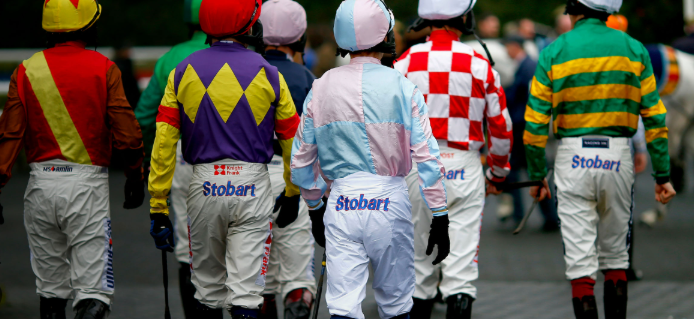
To supplement income, savvy jockeys turn to the business side of the sport: sponsorships. This is where the intersection of sport and commerce becomes visible. If you look closely at a jockey’s breeches or turtleneck during a televised race, you will often see brand logos. These aren’t accidental. They are paid advertisements. Equestrian clothing manufacturers and other industry players pay riders to wear their logos, knowing that the camera will be focused on the jockey during the heat of the race and the winner’s circle interview.
For a top rider, these deals can be lucrative. A brand might offer a contract that involves wearing specific custom equestrian clothing branded with the company’s insignia. This is particularly common in major racing jurisdictions like the UK, Australia, and focused meets in the US like the Kentucky Derby. Companies that offer OEM/ODM services often work behind the scenes to produce this high-performance gear, ensuring it is lightweight enough to not impact the handicap weight while remaining durable enough to withstand the rigors of racing.
There is also a growing market for private label equestrian clothing within the jockey community. Some senior riders launch their own lines or collaborate with an equestrian clothing factory to design gear that addresses specific needs—like ultra-lightweight rain gear or breeches with better grip. These ventures provide a secondary income stream that is less dependent on race day results. It turns the jockey from a mere participant into a brand ambassador. Even for those without their own lines, simply securing a deal with a major equestrian clothing manufacturer to supply helmets and vests can save thousands of dollars in annual equipment costs, effectively boosting their net income.
The Physical Toll: Why the Compensation is Justified
When analyzing the income, one must factor in the "hazard pay" element.
Horse racing is the only sport where an ambulance follows the athletes while they compete.
The physical toll is immense. Jockeys must maintain an unnaturally low body weight, often around 110-115 pounds (approx. 50-52 kg) including their tack. This requires a strict, often punishing, lifestyle of diet and exercise. They aren’t just small; they are incredibly strong pound-for-pound athletes who control a 1,000-pound animal moving at 40 miles per hour.
The career window is also unpredictable. A single fall can end a career instantly. Unlike other sports with guaranteed contracts, an injured jockey earns nothing while recovering. There is no "benchwarmer" salary. If you don’t ride, you don’t get paid. This volatility is why the top earnings seem so high—they are compressed into a relatively short timeframe where the rider must maximize their earning potential before their body or their luck runs out. This pressure drives many to seek better deals on gear, often looking for custom equestrian apparel that offers better protection, or exploring OEM/ODM services to develop safer riding vests.
In conclusion, the question of "how much do horse jockeys make" has two answers. The statistical answer is an average of around $50,000 a year. The realistic answer is that it depends entirely on the rider’s hustle, talent, and business acumen. From the apprentice saving money on wholesale equestrian clothing to the champion negotiating six-figure endorsement deals with top equestrian clothing manufacturers, the financial spectrum is vast. It is a profession of extreme highs and crushing lows, where every dollar is earned through grit, courage, and an unyielding will to win.