Whether you are an amateur rider navigating your first cross-rail, a parent researching gear for your child, or a business owner looking to source or develop products with top equestrian clothing manufacturers, understanding the deep "why" behind the equestrian safety vest is essential. This isn't just about compliance with rules; it is about the physics of survival and the longevity of an athletic career.
This comprehensive guide explores the five critical reasons why riding vest is becoming standard equipment, analyzing the medical data, the technological leaps in equestrian supplies, and the shifting market dynamics that are making safety a core category for retailers worldwide.
1. The Physiology of a Fall: Why Ribs Aren't Enough
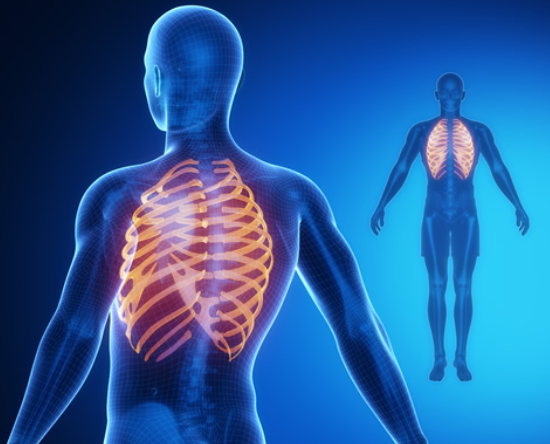
You need to understand how violent a fall is to see why you need a riding vest. You fall from high up. You move fast. A modern equestrian factory tests for this reality. We aim to slow down that massive force safely. Your body hits the ground, a fence, or a hoof. The risk is high.
The "Biological Cage" Limitation
Your torso protects your heart, lungs, and other organs. But ribs only offer general protection. They can't handle hard hits. Imagine a fall or a spook. You land on a rock or fence rail. That hit focuses on one small spot.
No armor? That energy hits the bone. If the bone breaks, the force travels inside to soft tissue. Broken ribs can puncture a lung. A hit to the right side can cut your liver. These injuries threaten your life.
The Mechanics of Dispersion
Modern equestrian supply use science to solve this. A safety vest does more than pad the blow. It spreads the shock.
Wear a certified body protector. This gear works two ways during a crash. This applies to standard fits or a custom riding vest for specific needs. RunEquestrain upholds these standards:
Absorption: Foam compresses. It absorbs kinetic energy that would otherwise hurt you.
Dispersion: This matters most. The vest takes a sharp hit, like a hoof. It spreads that force over the whole vest. Imagine 1,000 pounds hitting one inch of your rib. Now spread that over 100 inches. Less pressure often means a bruise instead of a ruptured organ.
The 56% Statistic Revisited
Trauma studies tell a clear story. Riders with certified vests had 56% fewer severe torso injuries than those without protection. "Injury" here means severe trauma. We mean stopping the ambulance ride, not just the bruise. The safety vest keeps you walking.
2. Technological Evolution: From "Turtle Shells" to High-Tech Armor
Ten years ago, the reluctance to wear vests was understandable. They were stiff, hot, and restrictive—often described affectionately as "turtle shells." Today, the landscape of wholesale horse riding clothing has been transformed by material science.
The Era of Memory Foam
Modern vests utilize high-grade, heat-sensitive foams (often PVC-nitrile or specialized EVA blends). These materials are rigid when cold but become malleable when exposed to body heat. Within five minutes of putting on a high-quality equestrian safety vest, it molds to the rider's specific anatomy. This allows for the "custom" feel without the price tag of bespoke tailoring, a key selling point for retailers stocking equine supplies wholesale.
The Rise of the Equestrian Air Vest
Perhaps the most significant disruption in the market is the equestrian air vest. Originally adapted from motorcycle technology, these vests use a lanyard attached to the saddle. In the event of a separation, a CO2 cartridge fires, inflating the vest in under 0.2 seconds.
The equestrian air vest offers distinct advantages, particularly in neck stabilization and preventing spinal compression. However, it has created a new debate in the equestrian clothes manufacturers sector: Air vs. Foam.
- Passive safety - works 100% of the time
- No lanyard required
- Protects during rotational falls
- No recharging needed
- Unmatched spinal and neck support
- Slimmer profile when uninflated
- 0.2 second deployment
- 360° torso protection
3. Discipline-Specific Risks and Cultural Shifts
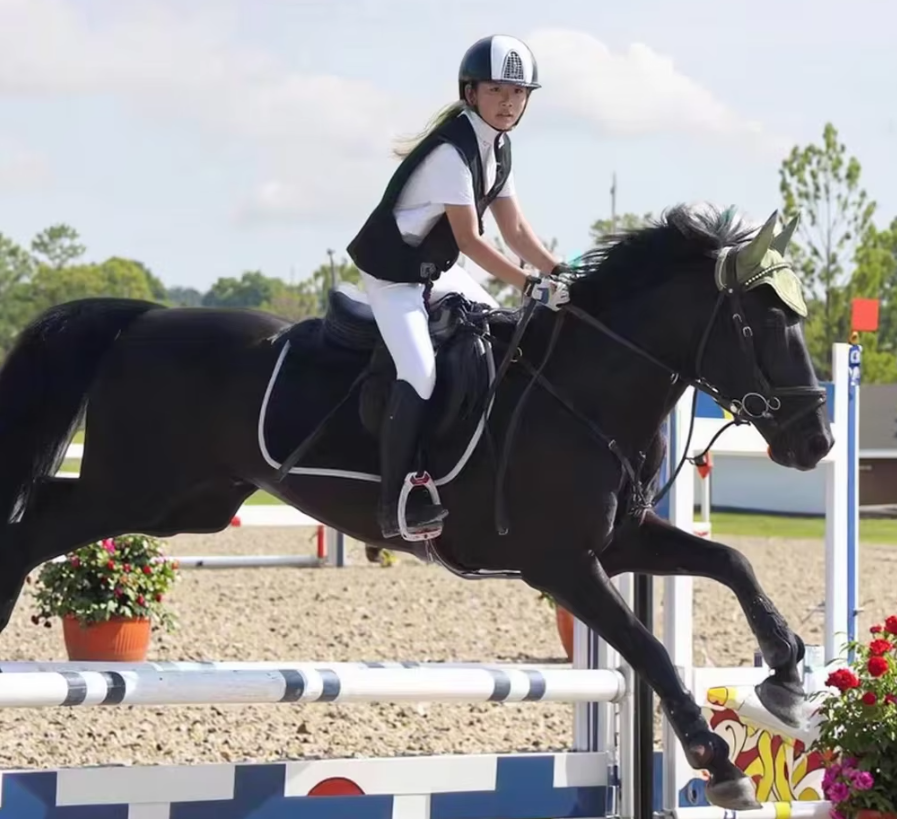
The adoption of safety vests varies wildly across disciplines, but the gap is closing.
Cross-Country: The Non-Negotiable Zone
In Eventing, safety vests (specifically Level 3 certified vests) are mandatory during the cross-country phase. The risk profile here—solid obstacles that do not fall down, high speeds, and uneven terrain—makes torso protection vital. Riders in this sector are highly educated on safety standards (ASTM F1937, BETA 2018 Level 3) and are willing to invest in premium gear.
Show Jumping and Hunter: The Aesthetic Barrier
For years, the Hunter/Jumper ring resisted vests due to tradition. The "look" is paramount, and bulky vests ruined the sleek silhouette of the riding jacket. However, the advent of slim-profile air vests has changed the game.
Retailers offering custom equestrian clothing are now seeing a surge in demand for show jackets designed specifically to accommodate equestrain air vests (stretchy fabrics that expand upon inflation). This integration of safety and style is a massive growth area. Professional show jumpers are increasingly wearing vests, setting a visual example for the younger generation.
Dressage and Trail: The Silent Risks
Dressage riders often feel immune to the risks, training in controlled arenas. Yet, young horses and spooking incidents respect no discipline boundaries. Trail riders face the risk of uneven ground and isolation—if you are injured deep in the woods, rescue is difficult. For this demographic, lightweight, breathable vests that can be worn comfortably for hours are becoming a staple in equestrian supplies catalogs.
4. The Psychological Advantage: Confidence Improves Performance

There is a less tangible, but equally important reason to wear a vest: Confidence.
Riding is a sport of subtle communication. Horses are prey animals; they are incredibly sensitive to the tension in a rider's body. When a rider is nervous—fearful of a fall or injury—they instinctively stiffen. Their hips lock, their hands become hard, and their breathing becomes shallow. The horse senses this tension and interprets it as danger, becoming more flighty and increasing the risk of an accident.
Knowing you are protected creates a psychological safety net. When a rider feels safer, they relax. Their seat deeper, their aids become softer, and their confidence translates to the horse.
For coaches and trainers, recommending vests isn't just about liability; it's about performance. A student who isn't paralyzed by the fear of breaking a rib is a student who will push to the next level of their training faster. This "confidence gear" aspect is a powerful marketing angle for wholesale horse riding apparel distributors.
5. The Business Case: Opportunities for Retailers and Brands

The shifting landscape of safety offers a unique opportunity for businesses in the equestrian sector. As safety vests transition from niche to mainstream, the demand for varied, high-quality options is outstripping supply in many regions.
The Demand for Private Label Safety
For equestrian brands, adding a safety line is a logical step. However, the barrier to entry is high due to certification requirements (BETA/ASTM). This is where private label partnerships become crucial.
Smart brands are partnering with established manufacturers who already hold the necessary safety certifications. By utilizing white-label or private label manufacturing, a brand can launch a certified safety vest with their unique aesthetic and branding without spending years in R&D. This allows for the creation of custom equestrian apparel lines that include matching safety gear, a trend currently dominating the European market.
Sourcing and Wholesale Strategy
For retailers utilizing equine supplies wholesale channels, the key is diversity. A shop cannot survive stocking only one type of vest. The inventory must reflect the customer base:
Entry Level: Affordable, block-foam vests for beginners and riding schools.
Performance Level: High-tech, articulate foam vests for serious amateurs and competitors.
Elite Level: Equestrain air vest systems and hybrid jackets for professionals.
The "RunEquestrain" example is pertinent here. As a manufacturer, they bridge the gap between cost and technology. Their vests often feature the segmented foam design that allows for maximum mobility—allowing the rider to curl into a ball during a fall, which is a natural defensive instinct—while maintaining the rigid certification standards required for competition.
Conclusion: The Future is Protected
The days of viewing safety vests as "uncool" or unnecessary for experienced riders are fading. The physics of a fall do not care about how many blue ribbons you have won or how expensive your horse is. Gravity and impact force are the great equalizers.
For the rider, the riding vest is an insurance policy for the body—specifically the vital organs that cannot be casted like a broken arm. It offers a 56% reduction in severe trauma, boosts psychological confidence, and allows for quicker recovery after a mishap.
For the industry—from equestrian clothing manufacturer to local tack shops—this represents a shift toward more responsible, technology-driven product offerings. Whether through stocking wholesale horse riding clothing or developing proprietary private label safety lines, the market is signaling clearly: Protection is priority.
Investing in a quality safety vest is no longer a sign of fear; it is a sign of intelligence. It means you respect the sport, you respect the risk, and you intend to keep riding for a long, long time.