You're about to saddle up your horse on a beautiful morning. You feel confident and ready for a peaceful ride. But here's something that might surprise you—horseback riding sends more people to the ER with brain injuries than motorcycling, skiing, or even football.
Yet fewer than one in ten adult riders wear helmets. That's not just concerning; it's dangerous. Are you a beginner wondering if that helmet is necessary? Or maybe you're an experienced rider who's never bothered with one. The science behind helmet safety is eye-opening. Leading equestrian suppliers and safety experts agree: modern riding helmets contain life-saving technology. Even Olympic-level riders won't mount without proper head protection.
Here's the truth nobody wants to think about: a minor fall versus a life-changing injury often comes down to those few ounces of ASTM-certified protection on your head. As trustworthy equestrian outfit manufacturers continue to innovate lighter and stronger materials, there is simply no excuse to ride unprotected.
The Life-Saving Science: How Helmets Prevent Catastrophic Head Injuries
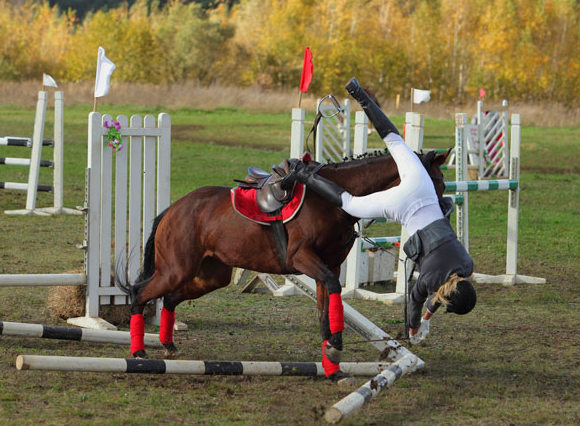
Modern riding helmets aren't just padded caps. They're precision-engineered survival tools backed by decades of medical research. Understanding what happens during a fall makes the science impossible to ignore. Developed by top-tier equestrian manufacturers, these helmets are designed to absorb energy that would otherwise shatter bone. Research across multiple helmet types reveals consistent, life-saving patterns. Motorcycle helmet studies show a 69% reduction in head injuries with helmet use. Bicycle helmet data shows similar protection with brain injury reduction ranging from 58% to 65%.
Here's something interesting: helmet protection gets stronger as injuries get worse. For any head injury, helmets provide about 60-69% protection. For serious injuries? That jumps to 69-74%. Fatal head injuries drop by 65%. Severe brain injuries drop by 74-83%. Think about that pattern. The worse the potential injury, the more crucial that helmet becomes. Whether you are buying a standard model or ordering a custom horse riding helmet, the physics remain the same.
Riders without helmets face high odds of injury. Medical data shows nonhelmeted riders are three times more likely to sustain traumatic brain injuries. For severe head injuries, those odds shoot up to 3.7 to 18.1 times higher compared to helmeted riders. The risk of trauma-induced brain bleeding increases by 41% without helmet protection. This includes subarachnoid, subdural, and epidural hematomas. These aren't minor injuries. They can result in permanent disability or death. This is why responsible equestrian clothing manufacturers rigorously test their products against impact standards like ASTM F1163.
Population studies provide strong evidence. Regions that implement helmet laws see motorcycle-related deaths decrease by 33.6% and head injuries drop by 41.4%. One revealing study tracked death rates after helmet law reenactment. Deaths dropped from 9.3 to 4.7 per 10,000 motorcycle registrations. Beyond the personal cost, the financial impact is huge. If all motorcyclists wore helmets, the U.S. would save $1.5 billion each year. Your ASTM-certified riding helmet might cost $100 to $500—often less when clubs purchase wholesale riding helmets. Compare that with the potential million-dollar medical bills from traumatic brain injury treatment.
Certification matters. Snell-approved helmets reduce severe brain injury risk by 81%. ANSI-certified helmets provide 72% reduction. SEI approved riding helmets meet strict impact testing standards designed for equestrian activities. These certifications aren't marketing gimmicks from equestrian manufacturers; they validate that your helmet can absorb the force of impact. The science is clear and consistent across all age groups. That certified helmet remains your most reliable defense against catastrophic head injuries.
Real Cases: The 50% Drop in Severe Head Injuries

Skiing helmets cut head injuries in half. That's not a marketing claim—researchers tracked thousands of skiers on real slopes and found this result. Among injured skiers who wore helmets, 9% sustained head injuries. Those without helmets? Double that rate. That 50% drop isn't unique to skiing; it shows up across every sport where people protect their heads, a fact well known by every major equestrian clothing manufacturer.
Bicycle helmet studies show even stronger protection. Serious head injury drops by 60% for cyclists wearing helmets. Severe brain injury drops by 74%. In a study of bicycle crashes, 38% of non-helmeted riders suffered serious head injuries compared to just 22% for helmeted riders. The type of crash matters less than you'd think. Single bicycle crashes show a 72% reduction in serious head injury odds with helmets. Collisions with vehicles show a 63% reduction.
Riders without helmets face a 41% increase in traumatic brain bleeding. These aren't injuries you walk away from. They require emergency surgery. Your odds of experiencing any head injury without a helmet are 2.3 to 4.4 times higher than helmeted riders. For serious injuries, you're looking at 3.5 times the risk. For horse riders, standard or custom horse riding helmet designs go through specific testing because equestrian falls differ from bicycle impacts. These certifications mean your helmet can handle the unique forces from horseback riding falls.
Young riders face extra risk. Among skiers and snowboarders under 15, 53% of head injuries could be prevented with proper helmet use. Overall skiing head injuries show that 44% are preventable. That's 7,700 injuries every year that didn't have to happen. Motorcycle helmet laws create measurable changes, cutting death risks in half. The hospital data tells a similar story: when states repealed helmet laws, hospitalizations jumped by a 42% increase. The pattern holds true on skis, bicycles, motorcycles, or horses. Your concussion prevention strategy starts with one simple choice: certified head protection from reliable equestrian suppliers. Every single time you mount up.
Why Even Experienced Riders Need Helmets
Experience doesn't make you invincible. Every hour in the saddle increases your injury risk. Not because you're getting worse, but because probability catches up with everyone. Skilled riders don't need helmets? That's a myth. Professional equestrians with decades of experience still fall. Olympic riders still get thrown. Your skill reduces some risks, but it doesn't eliminate how unpredictable horses can be. This reality drives equestrian outfit manufacturers to produce gear that accommodates professionals and amateurs alike.
Think of it this way: serious riding injuries occur once every 350 hours. A rider logging 10 hours per week faces that event once every 8-9 months. Double your riding time? You're doubling your exposure to that risk window. Motorcycle helmet data reveals a clear pattern: riders gain experience, yet helmets remain 37% effective at preventing fatal injuries. Experience can't override physics. Unhelmeted riders face a 40% higher likelihood of fatal head injuries compared to helmeted riders, regardless of skill level. Cervical spine injury rates tell the same story, with unhelmeted riders showing nearly double the fracture rates.
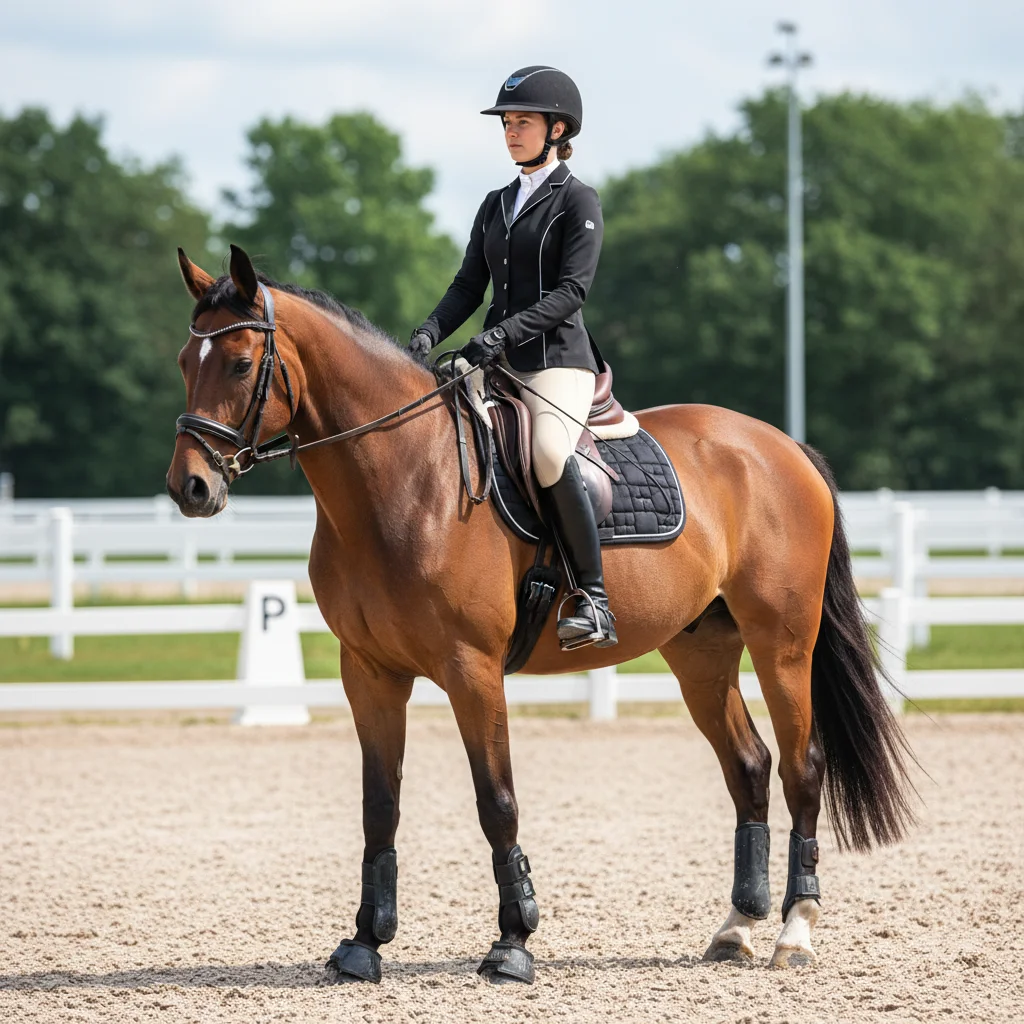
Your brain doesn't get tougher with practice. Every fall creates the same physics problem. Impact forces don't care about your riding résumé. Traumatic brain injury happens in milliseconds—faster than your years of training can react. The equestrian case is clear: your ASTM certified riding helmet provides consistent protection. Whether you are wearing a basic school helmet or a high-end custom equestrian outfit with matching headgear, the helmet doesn't know you're experienced; it just knows its job is to absorb impact energy.
The Consequences of Skipping Protection
Skip the helmet, and a survivable crash becomes a life-altering disaster. The data shows what happens to riders who skip head protection. Unhelmeted riders faced 51% higher odds of severe traumatic brain injury and their odds of death jumped 44% higher compared to helmeted riders. Brain injury rates are 65-88% higher without proper head protection. Fatal head injury risk climbs about 65% higher without that ASTM certified riding helmet.
Here's what stops you cold: 76% were unhelmeted among riders with severe brain injuries. In studies of young riders, not a single helmeted rider got severe brain injuries, while their unhelmeted peers faced catastrophic outcomes. The injuries don't stop at your skull. Unhelmeted riders face 31% higher odds of facial fractures. This is why equestrian clothing manufacturers are integrating more protective elements into their designs. Unhelmeted riders needed emergency neurosurgery 64% more often than helmeted riders to relieve brain bleeding, such as subarachnoid hemorrhages and subdural hematomas.
A 2024 Norwegian trauma center tracked 30-day death rates: 2.9% of unhelmeted riders died within a month versus 1.5% of helmeted riders. Unhelmeted riders stayed in hospitals longer and needed more intensive care. The protective gap is massive: without a helmet, you lose 60-74% prevention of severe head injuries. 25% of injured riders wore helmets at the time of their accidents in a massive U.S. trauma registry analysis, meaning 75% of hospitalized riders were unhelmeted. Riding schools often combat this by stocking wholesale riding helmets to ensure no student rides unprotected. Your helmet isn't just protective equipment; it's the difference between going home and going to the morgue.
Legal Requirements and Industry Standards
Helmet laws for horseback riding vary across the United States. There's no federal mandate forcing adult riders to protect their heads, but most states leave choices to adults while requiring helmets for minors. Florida, California, and New York have specific laws protecting younger riders in lessons or commercial operations. However, insurance implications catch riders off guard. Your homeowner's policy might deny claims if you weren't wearing head protection. This is a critical consideration for riding academies sourcing from equestrian suppliers; liability waivers often hinge on safety compliance.
Industry organizations set the bar higher. The United States Pony Club requires ASTM/SEI certified helmets for all mounted activities. US Equestrian mandates helmets in specific disciplines. Professional riding schools, summer camps, and therapy programs enforce strict policies to protect themselves and their riders. Major associations now require head protection during warm-up and competition, driving demand for compliant gear from equestrian manufacturers.
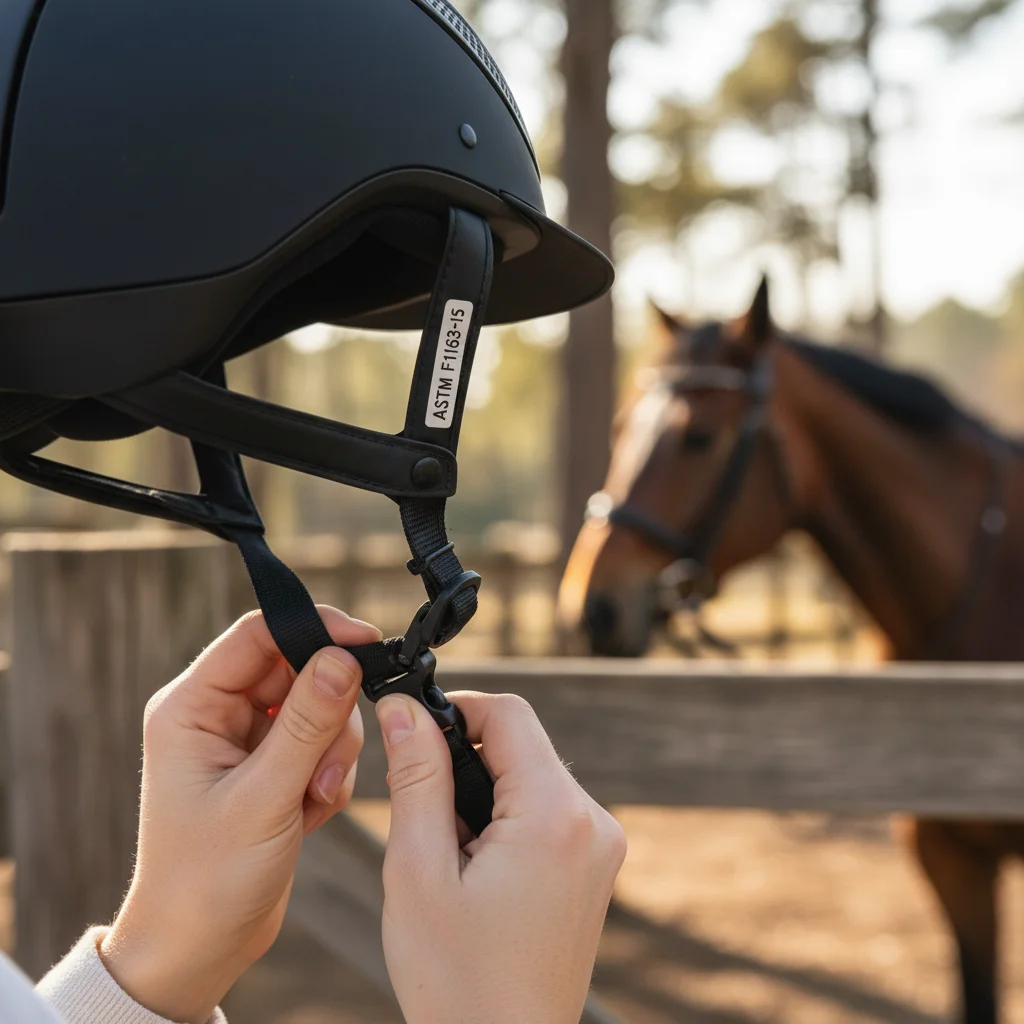
ASTM F1163 is the gold standard for horse riding safety gear, testing for impact absorption, penetration resistance, and strap strength. The SEI runs independent testing to validate that makers meet ASTM standards. That SEI sticker validates that your helmet can protect your skull. You should replace your helmet every five years or immediately after any impact. Commercial riding operations face checks similar to workplace safety audits. Choosing to ride without a helmet is a risk that laws might allow, but common sense and the availability of quality gear from every major equestrian clothing manufacturer should dictate otherwise.
Myths and Adult Resistance
Adult riders fight helmets harder than teenagers fight vegetables. The stats show a frustrating picture of safety awareness gone wrong. Experience breeds complacency; helmet use in light traffic is significantly lower than in heavy traffic, driven by the belief that "low risk" situations don't require protection. Yet, most crashes happen close to home or in "safe" environments. Knowing your route doesn't protect your brain from impact.
There is also a "passenger protection paradox" where riders carrying passengers show lower helmet compliance. Geographic resistance plays a role too, with vast compliance gaps between different US regions. Style often trumps safety, with some riders choosing non-compliant "fashion" helmets over DOT or ASTM-certified protection. This has led to a surge in demand for custom equestrian clothing that blends high fashion with high safety standards.
Despite four decades of safety campaigns, global helmet use hasn't improved as much as it should. The resistance isn't about missing information but about deep beliefs. Comfort, experience, and familiar conditions seem to override physics in riders' minds. However, as custom equestrian outfit options become more sophisticated and comfortable, the excuse that "helmets are uncomfortable" is losing its validity.
Premium riding gear — MOQ 100 pcs, 7-day samples, ASTM-compliant materials.
RunEquestrian: Innovation in Safety and Style
RunEquestrian knows something most factories miss: riders need gear that moves with them, not against them. Since 2009, founder Michael Zhang has established a world-class equestrian clothing factory. This 5,000-square-meter ISO-certified facility in China focuses on one thing: high-performance equestrian apparel. Their team understands horse anatomy and what happens in the saddle, distinguishing them from generic sportswear makers.
The numbers show the scale of their operation. As a premier equestrian clothing manufacturer, they produce 500,000+ pieces each year and ship to 30+ countries. Over 200 global brands trust them for custom equestrian clothing and wholesale jodhpurs. Their 98% on-time delivery rate destroys the industry average of 75%, and defect rates sit below 0.3%. RunEquestrian collects 500+ rider body data points to engineer proper fits, ensuring that every custom equestrian outfit offers both style and function.
For businesses looking to scale, RunEquestrian offers comprehensive OEM/ODM services. Whether you need a partner for a custom horse riding helmet project or a reliable source for wholesale equestrian clothing, their quality is unmatched. Their abrasion resistance testing hits 20,000+ cycles—four times the industry standard. When you select your ASTM certified helmet, you need gear underneath it that won't fail. With a 70% client retention rate for three-plus years, RunEquestrian proves that brands stick with equestrian manufacturers who deliver results. Their low MOQs starting at just 100 pieces and rapid 7-day sample turnaround make them the ideal partner for modern equestrian brands.
Conclusion
Here's the truth: wearing a helmet when riding a horse isn't about being too careful or lacking confidence. It's about respecting the power of a 1,200-pound animal. Every ride brings risk you can't predict, and as top equestrian suppliers will tell you, the right gear is your best insurance policy.
We've seen the numbers. Helmets cut traumatic brain injury risk by 50%. Even the most skilled riders get hurt. Your experience doesn't make you safe; it just means you've been lucky so far. Your brain doesn't get a second chance. One fall without a helmet could mean the gap between a scary story you tell later and a tragedy your family lives with forever.
So before your next ride, make it a must. Whether you are browsing the latest designs from equestrian clothing manufacturers or picking up gear from the tack shop, grab an ASTM certified riding helmet. Buckle it right. Set the example for everyone at the barn. Make the smart choice. Every. Single. Time.