Every summer, flies show up — and they don't just annoy you. They're a real threat to your horses' health. They spread disease, trigger infections, and make even a clean barn miserable for horses and humans.
The good news? Fly season doesn't have to feel like a losing battle.
The right fly control for horses combines three things:
Smart barn sanitation habits
Natural predators that do the work for you
Targeted spray systems
Put those together, and you take back your stable. You can enjoy being out there again — whether you're working with trusted equestrian suppliers or managing your own barn setup.
Why Flies Are a Serious Problem in Horse Barns (And What's at Stake)
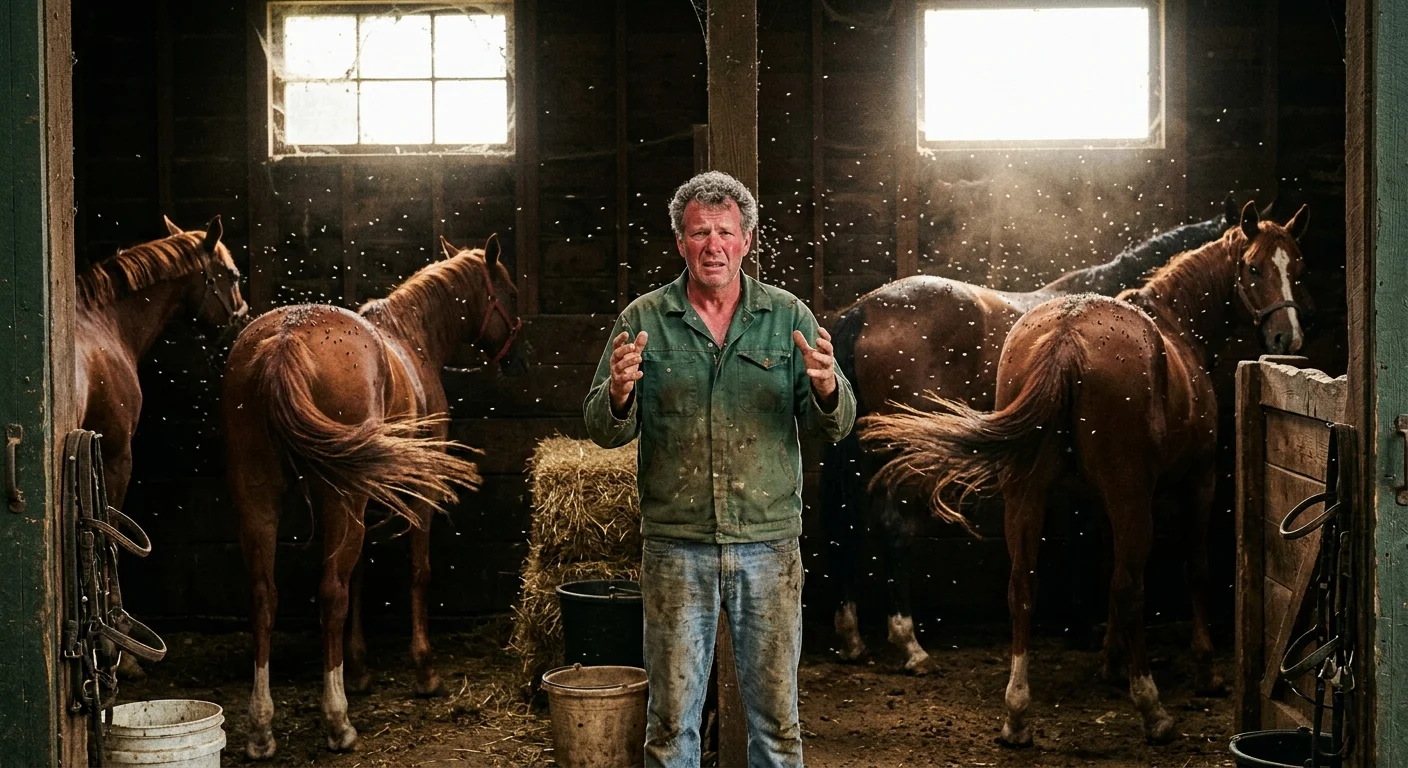
Here's a number that'll make you set down your coffee: U.S. livestock producers lose between $700 million and $1 billion every single year because of fly infestations. Every year. That's not a typo.
And it's not just about money. It's about your horses.
Horn flies alone feed 20 to 40 times a day on a single animal. A horse can pick up 200 of them fast — especially through a warm, wet summer. At that point, you've crossed the economic threshold. Stressed animals. Disrupted routines. A barn nobody wants to be in.
The behavioral toll is real too. Research shows that even one stable fly bite per foreleg triggers bunching and restlessness in horses. They stomp. They kick. They lose focus. Training or competing gets harder. That agitation costs you in performance, in patience, and in the relationship you've built with your horse — something many riders protect with quality gear from equestrian clothing manufacturers.
Then there's disease. Horse flies carry anthrax and can spread it directly to your livestock. Stable flies pick up bacteria from filth and deposit it on your horse with every bite. In warm, wet conditions, a fly completes its full life cycle in just 10 days. That's how fast populations build.
Rain makes it worse. After a heavy season, numbers explode. One Texas study trapped 350 horse flies and 200 deer flies in just 10 weeks across two counties.
That’s what you're up against — whether you're running a full facility or building your brand with custom equestrian clothing designed for riders who spend long hours in the barn.
Method 1: Barn Sanitation and Manure Management — The Foundation of Fly Control
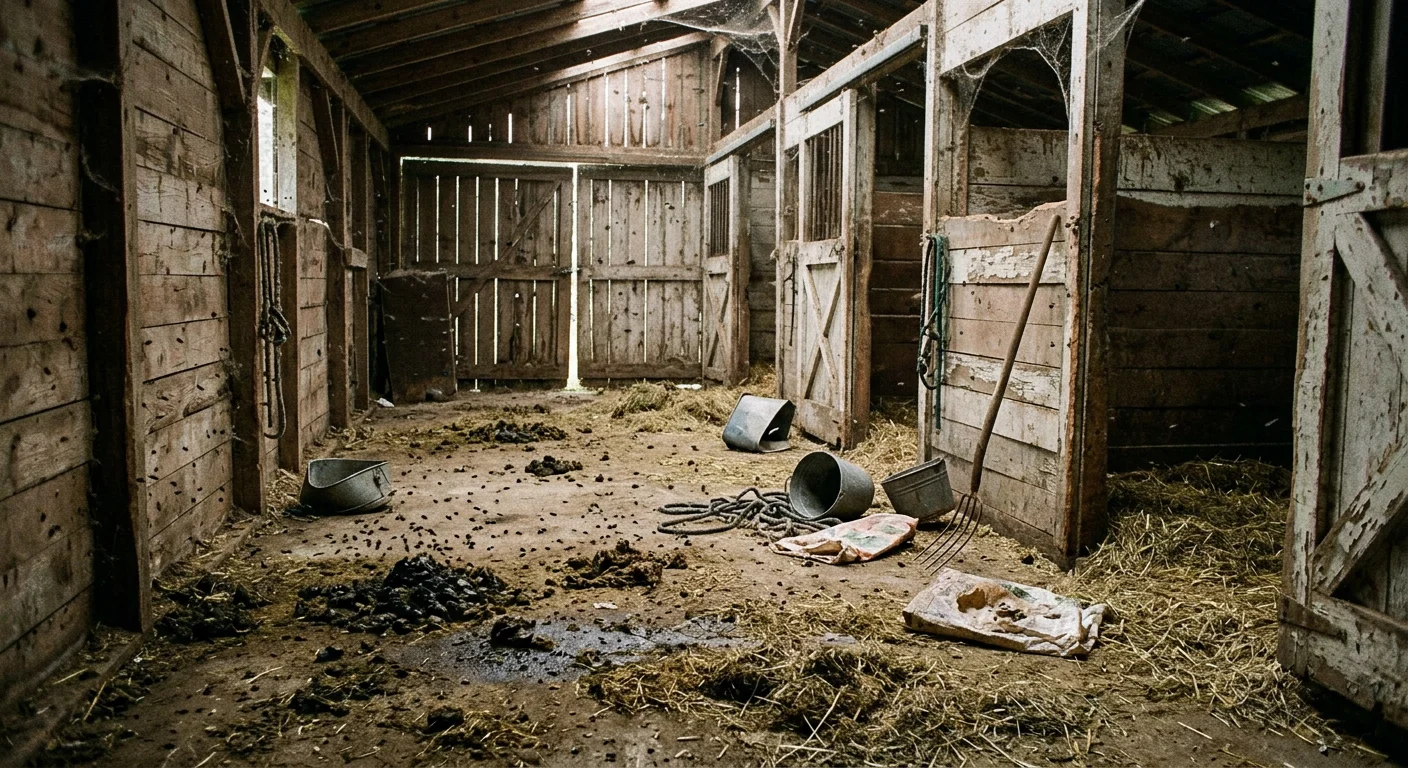
Here's the hard truth about flies: they don't appear out of nowhere. They follow the mess.
Manure is their five-star hotel — warm, moist, and full of everything they need to raise a family. Fresh horse manure sits at 75–80% moisture. That's just about perfect for fly eggs to hatch in under 24 hours. From there, larvae can mature in as little as 12 days in wet hay and manure. Do that math quick — the pile you left over the weekend is already a nursery by Monday morning.
The goal of barn sanitation isn't just tidiness. It's breaking the cycle before it starts.
Clean Daily — No Exceptions
Pull manure from stalls and paddocks at least once a day. Twice a day cuts fly numbers even more. Walk your manure pit every day too — look for wet spots, fly concentrations, and that telltale wriggle just below the surface. That wriggle means larvae are already at work.
Think of it this way: every pile you clear before day 12 is a generation of flies that never hatches.
Here's a simple schedule to keep you on track:
Timeframe | Action |
|---|---|
Daily | Clean stalls, paddocks, feeding areas; remove spilled feed; check wet spots |
2x per week | Move manure away from livestock areas |
Weekly | Clear barns and pits; compost or spread thin outdoors to dry |
Manage What You Can't Remove Right Away
Sometimes manure has to sit — that happens. Cover it with a secured tarp on piles no older than 7 days. This stops adult flies from laying eggs in the first place. It's not fancy, but it works.
For the long haul, composting is your best tool. A well-managed compost pile builds internal heat above 120°F. That temperature kills fly larvae and eggs at every stage. Plus, you get usable compost at the end — a real win on a working farm.
Store manure as far from your barn as possible. Off the property is best.
Don't Forget Moisture and Feed
Flies don't just breed in manure — they breed in wet manure. Cut the moisture, cut the breeding.
Fix leaky troughs and repair water lines without delay
Regulate drainage so paddock floors don't pool
Run cross-ventilation and fans to dry stall floors and keep moisture below 50% — closer to 30% is better
Seal all feed containers and sweep up spilled or decaying grain every day; rotting feed draws flies fast
One more tool worth knowing: feed-through IGRs (insect growth regulators) like diflubenzuron or cyromazine. You mix them into your horse's grain. They pass through the digestive system and into the manure. There, they stop maggots from molting and finishing their life cycle. Start them before fly season kicks off and keep going through fall. Stick to that routine, and larval control through sanitation alone can cut fly populations by 80% or more.
That's not a small number. That's a barn transformation — and it starts with a shovel and a schedule.
Method 2: Fly Predators and Feed-Through IGR — Biological and Internal Control
Nature already built a fly-killing machine. You just have to invite it to the barn.
Fly predators are tiny parasitoid wasps from the Spalangia and Muscidifurax families. They're about the size of a sesame seed. They pose zero threat to horses, humans, or pets. What they do to fly pupae, though, is ruthless in the best possible way. A female wasp finds a pupa buried in your manure pile. She lays her eggs inside it. The larvae eat the developing fly from the inside out. The fly never emerges. Done.
Choosing the Right Predators — Species Matter More Than You'd Think
Not all fly predators are equal. Many commercial mixes contain Nasonia vitripennis. It makes up 90% of competitor blends — but it performs poorly outdoors. Stick with Spalangia and Muscidifurax species. These two are built for the conditions around horse barns and manure piles. That's where you need them to work.
Timing and Placement
Start releasing 3–4 weeks before fly season begins. Don't wait until you're already swatting. Flies reproduce fast. A single female can lay up to 900 eggs. Getting predators established early cuts the population before it builds. Reapply every 3–4 weeks through the warm months.
Place them near manure piles, not inside the barn. Got a breeding hotspot close to the breezeway? Hang 5–10% of your package there. That's it. Let them work.
Pair Them With a Feed-Through IGR
This is where the strategy gets real power. Feed-through IGRs work from the inside. Your horse eats the product in grain. It passes through the digestive system and lands in the manure. There, it stops maggot larvae from finishing their life cycle. No completed cycle — no fly.
Two products worth knowing:
Product | Active Ingredient | Daily Dose |
|---|---|---|
SimpliFly | Diflubenzuron | 0.2 oz per 1,000 lbs body weight |
Solitude IGR | Cyromazine | 0.5 oz per 1,000 lbs body weight |
Both work alongside fly predators — no conflict, no interference. Use them together and you get a layered pupal kill. Neither method hits that level on its own.
One Honest Limitation
This approach works well on manure-breeding flies — house flies and stable flies. Horn flies are different. They breed in pasture, not manure. For those, you'll need the spray strategies in Method 3. Know your target. This method delivers real, measurable results all season long — just not for every fly species on the property.
Method 3: Mechanical and Spray Systems — Active Fly Elimination
Predators and sanitation handle most of the problem. But some flies — horn flies that breed out in the pasture — ignore your compost pile and keep coming. That's where mechanical and spray systems earn their place. Think of them as your active defense line: always working, always pushing back.
Fans and Screens — Deny Entry First
Block flies at the door before you spray a single drop of anything.
Well-placed fans do more than keep horses cool. Research shows air moving at 8 to 9.1 meters per second at 91 centimeters height pushes out 80% of house flies from the space. Set your fans low. Fly activity clusters near the ground — most around sunset, when they're busiest near floor level.
The same logic applies to UV light traps: floor placement beats 2-meter mounting. Put them near entry points after sundown. You'll pull in far more flies than any ceiling-hung setup ever would.
White boards outperform black ones, too. Black glue boards cut catch rates by 50% compared to white. It's a small detail. Over a full season, that gap adds up fast.
Spray Systems — For Serious Fly Knockdown
Automated mist systems are worth every penny in barns with heavy fly pressure. Studies show control peaks at 7 days after treatment — hitting 84.8% reduction at 22.5 liters per hectare. That's the sweet spot. Heavier volumes don't add meaningful results, but they cost more to run.
One honest note — results do soften by day 14, dropping into a range of 59 to 85%. So reapplication on a set schedule matters. Install the system, check it regularly. Don't set it and walk away.
For quick knockdown in bad infestations, QuikStrike fly bait strips put up hard numbers: 30,000 flies killed per hour in controlled trials. Flies die in just 15 to 30 seconds. Replace strips when the yellow color fades to white — that's your signal they're done.
Stack these tools on top of everything from Methods 1 and 2. Your barn becomes a place flies struggle to survive.
How to Build an Integrated Fly Control Plan That Works
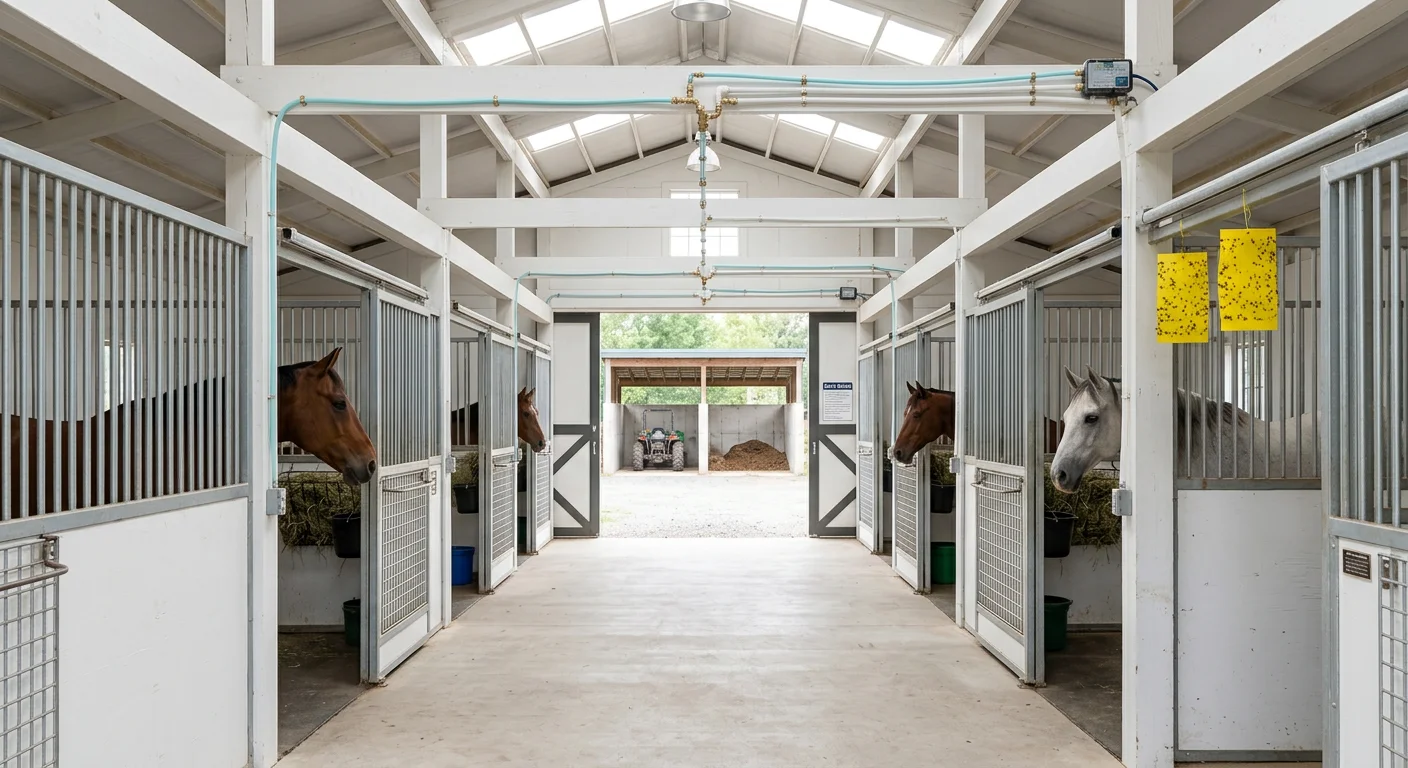
Three methods. One plan. That's how you win this thing.
Here's what most barn managers get wrong: they treat fly control like a one-time product purchase. They grab a spray bottle, maybe hang a sticky trap near the door, and call it a day. Come July, they're standing in a barn that smells like bait and still swatting at clouds of insects. Sound familiar?
The gap between a barn that stays manageable and one that spirals every summer comes down to layering. Put sanitation at the bottom. Add biological and internal control in the middle. Finish with mechanical systems on top. Those three layers work together in a way no single method can match.
Research backs this up. Sanitation alone drops fly numbers by 75%. Add feed-through IGRs and mechanical reinforcement on top of that? You're looking at over 95% control — numbers proven in commercial dairy operations that carry over to horse stables.
Think in Phases, Not Products
The biggest mistake is launching everything at once in the middle of fly season. You're already stretched thin by then. Roll this out in phases instead:
Now (Year-Round): Sanitation is your permanent foundation. Daily manure removal, sealed feed storage, dry stall floors — this never stops.
March (Pre-Season): Start your feed-through IGR before flies begin hatching. Get it in the grain and run it for 6 to 8 months straight.
April (Peak Season): Deploy your traps, sticky tapes, and spray systems. Your predators and IGRs are already running by this point. The mechanical layer finishes the job.
Match Your Setup to Your Scale
Not every barn needs the same approach. Spending money in the wrong places just wastes it.
Setup | Priority Split | Key Tools |
|---|---|---|
Small Private Stable (<10 horses) | 80% sanitation, light mechanical | 5–10 sticky traps, seasonal IGR, daily cleanout. Threshold: >3 flies/day indoors. |
Commercial Equestrian (50+ horses) | 50% sanitation, 30% IGR, 20% mechanical | Automated mist systems, bulk-feed IGR, 500–1,000 parasitic wasps per week. |
Know When to Escalate
Place sticky index cards at 4 to 6 feet high in high-traffic zones — stalls, feed areas, barn entries. Count the specks once a week. It takes two minutes.
The numbers tell you what to do next:
More than 3 flies per day indoors? Add traps and check your IGR timing.
More than 100 specks per week on your monitoring cards? That's your signal for full IPM escalation. Bump up your mechanical tools and boost your biological control at the same time.
Two weeks running above threshold? Raise your trap count by at least 50% and take a fresh look at your sanitation schedule.
This approach cuts pesticide use by 50 to 70% compared to conventional spray-only programs. Fewer chemicals. Healthier horses. A barn you'd want to walk into on a Tuesday morning in August.
That's worth the planning.
Top Fly Control Products for Horse Barns: What to Buy and Why
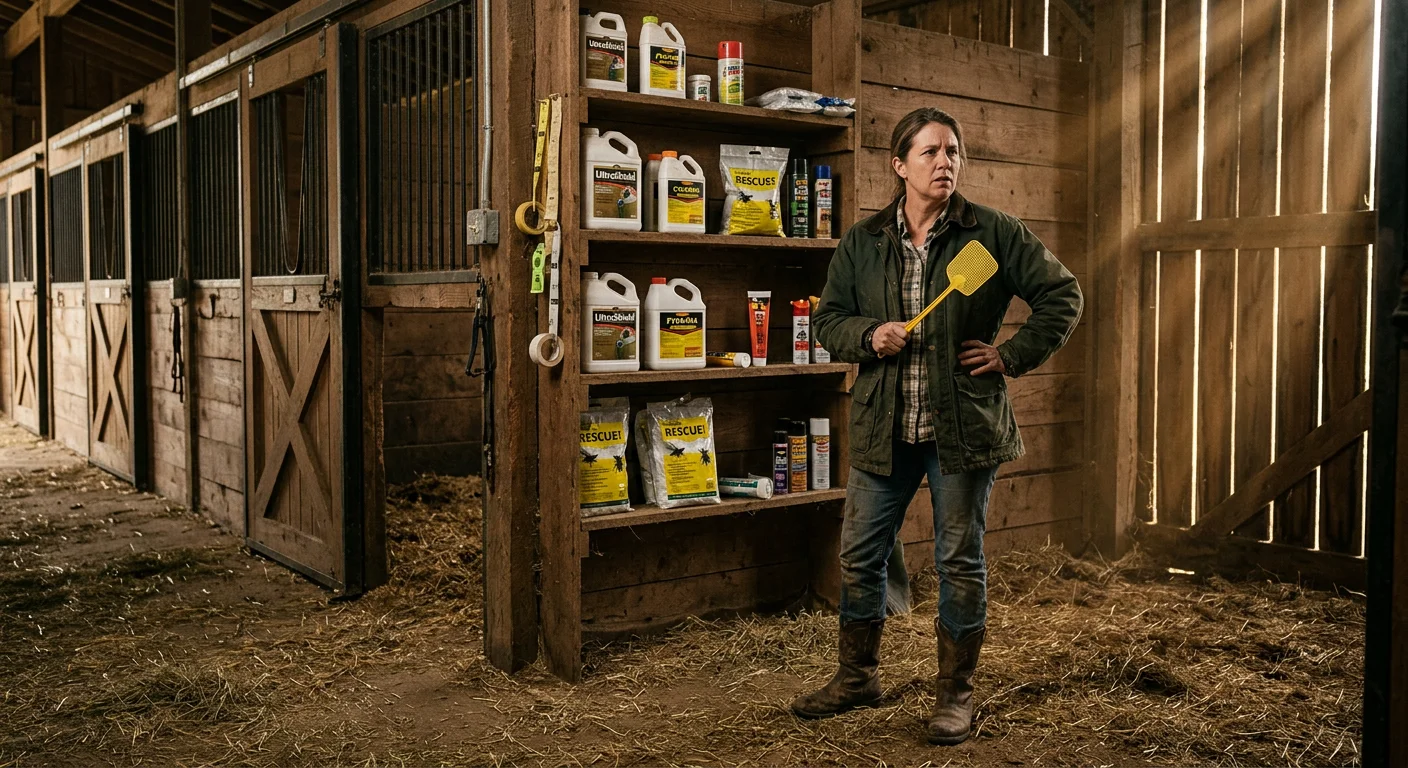
I've stood in enough barn aisles, fly swatter in hand, muttering things I won't repeat here. The right products make an enormous difference. Not all of them are created equal — and buying the wrong thing at the wrong price is just money tossed into the manure pile.
Here's what works, broken down by category so you can shop with purpose.
Feed-Through Products: Start From the Inside Out
Farnam SimpliFly with Larvastop is the workhorse of this category. It comes in 3.75 lb ($43.99) all the way up to 50 lb ($289.97), so you can size it right for your herd. Solitude IGR Feed Through runs a little higher, starting at 6 lb for $123.97. Both products deliver the same core result: fly larvae in manure stop developing. Buyers across both products give them 4 to 5 stars. Results show up fast too — you'll see a significant drop in house fly and stable fly maturation within 2 weeks of starting.
Buy through Big Dee's Tack & Vet Supplies for reliable pricing and availability.
Automatic Spray Systems: Set It and Let It Work
Smaller barn? The Country Vet Flying Insect Control Kit at $40.95 is a low-effort win — metered, plug-and-play, and well-reviewed by 21 buyers. Running a larger operation? The Pyranha SprayMaster 55-Gallon Misting System ($2,034.95) covers up to 10,000 square feet and runs multiple spray cycles each day. Yes, the price tag stings a little. But maintenance costs run just $50–$100 per year in refill product. For a 20-stall barn, that math starts looking pretty sensible.
Fly Sprays: The Head-to-Head Comparison
This is where barn managers get overwhelmed — there are so many bottles on the shelf. Here's a clear breakdown of the top performers:
Product | Key Ingredients | Sweat Resistance | Protection |
|---|---|---|---|
Pyranha Wipe N' Spray | Pyrethrins, Piperonyl Butoxide | High (oily formula) | Long-lasting — best overall pick |
Farnam Endure | Cypermethrin, Pyrethrins | High | Up to 14 days |
UltraShield EX | Cypermethrin, Pyrethrins | High | Up to 17 days — longest available |
Pyranha Legacy | Cypermethrin, Pyrethrins | High (oil base) | Long-lasting + coat conditioning bonus |
Fly Bye Plus | Enzyme-based | Moderate | Best natural/chemical-free option |
Equiderma Neem & Aloe | Neem oil, citronella, aloe | Moderate | Natural alternative, non-toxic |
Sweat resistance is a real issue in summer — and UltraShield EX wins outright at 17 days of coverage. Going chemical-free? Fly Bye Plus is biodegradable, enzyme-based, and delivers solid results for its category.
Physical Traps and Baits: Affordable and Seriously Powerful
Don't overlook the humble trap. The Starbar FlyRelief Disposable Fly Trap runs just $5.95 (Giant version $7.95) and pulls in thousands of flies per unit. That makes it one of the best return-on-investment tools in your whole fly control setup. Place them on the perimeter — not inside the barn. You want to draw flies away, not invite them straight to your horse's door.
For bait, QuickBayt (imidacloprid) kills flies in 1 to 2 minutes and stays effective for up to 4 weeks. Elector Bait (spinosad) works a little slower after feeding, but it's a solid organic-approved option worth having on hand — especially if you're sourcing barn solutions through reliable equestrian suppliers who understand long-term fly control.
Natural Supplements Worth Knowing
Some horse owners prefer to work from the inside out, without chemicals. Hilton Herbs Bye Bye Fly Garlic Granules (2.2 lb, $27.95) and HorseTech Buggzo (5 lb at $75.95, 10 lb at $133.95) are the two names that come up most often. Results vary by horse, but both have loyal followings in the natural horsemanship community — including riders who prioritize quality gear from trusted equestrian clothing manufacturers.
Also worth keeping in your rotation: a 50/50 Pine-Sol and water mix sprayed on barn walls and aisles. It's an old-timer trick that knocks down fly traffic between product applications — cheap, easy, and effective.
The bottom line: layer your purchases the same way you layer your methods.
Feed-through products handle larvae.
Sprays protect your horses on contact.
Traps clean up the perimeter.
Together, they cover every stage of the fly life cycle. That's the only real way to get ahead of the problem — whether you're managing a personal barn or working alongside equestrian manufacturers to build a more efficient setup.
Conclusion
Listen, friend — a fly-free barn doesn't happen by accident. And it won't happen overnight either.
Here's the truth: smart manure management, biological controls like fly predators, and a solid mechanical spray system — stack all three together. Flies can't beat that combination.
Your horses deserve better than swishing tails and irritated eyes all summer long. And you deserve a barn that doesn't feel like a losing battle every time you walk through the door — whether you're caring for them daily or outfitting your team with custom equestrian clothing built for long hours in the barn.
So pick one method and start today. Maybe that's getting serious about daily manure removal. Maybe it's ordering your first batch of fly predators. Or maybe it's setting up that automatic misting system you've been putting off. Small steps done with consistency add up to real results.
Good fly control for horses isn't complicated. It just takes a plan — and now you've got one.
Go on. Give those horses some peace and quiet. They've earned it.