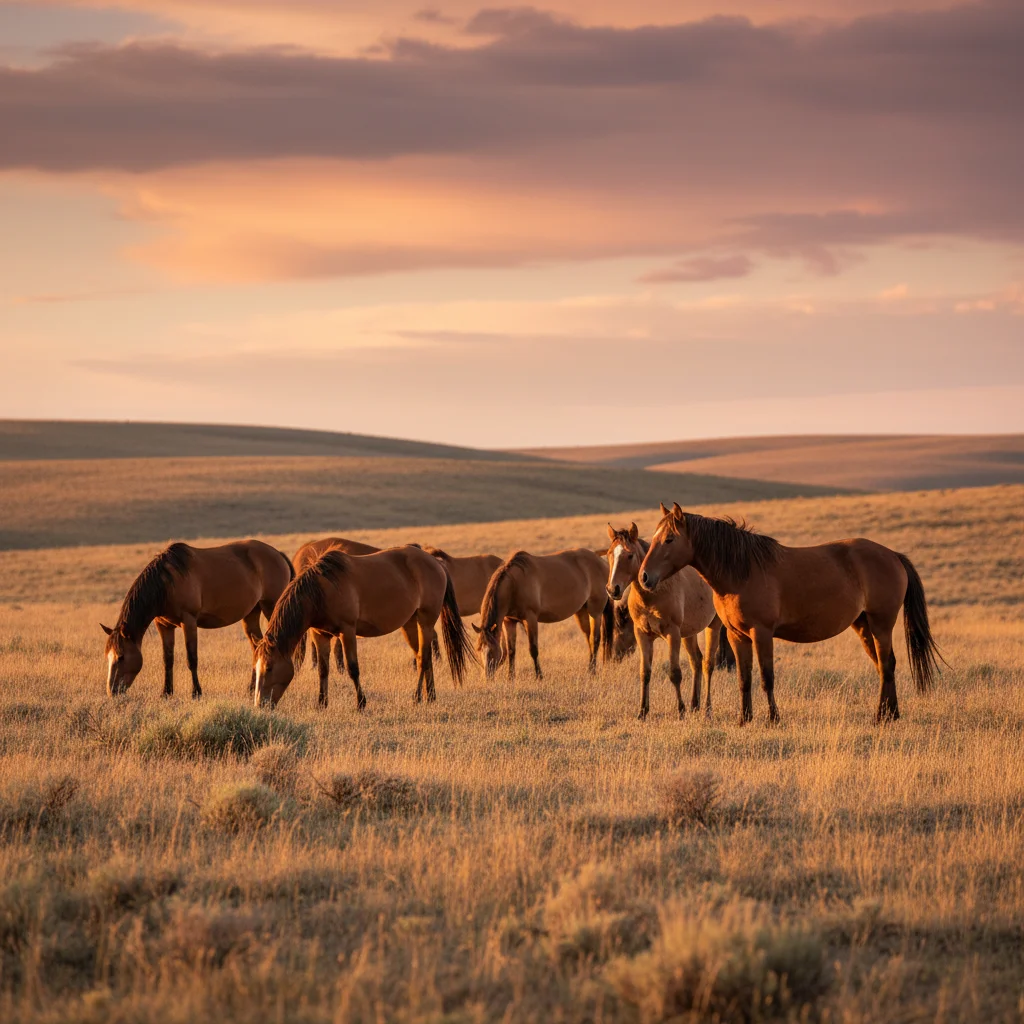
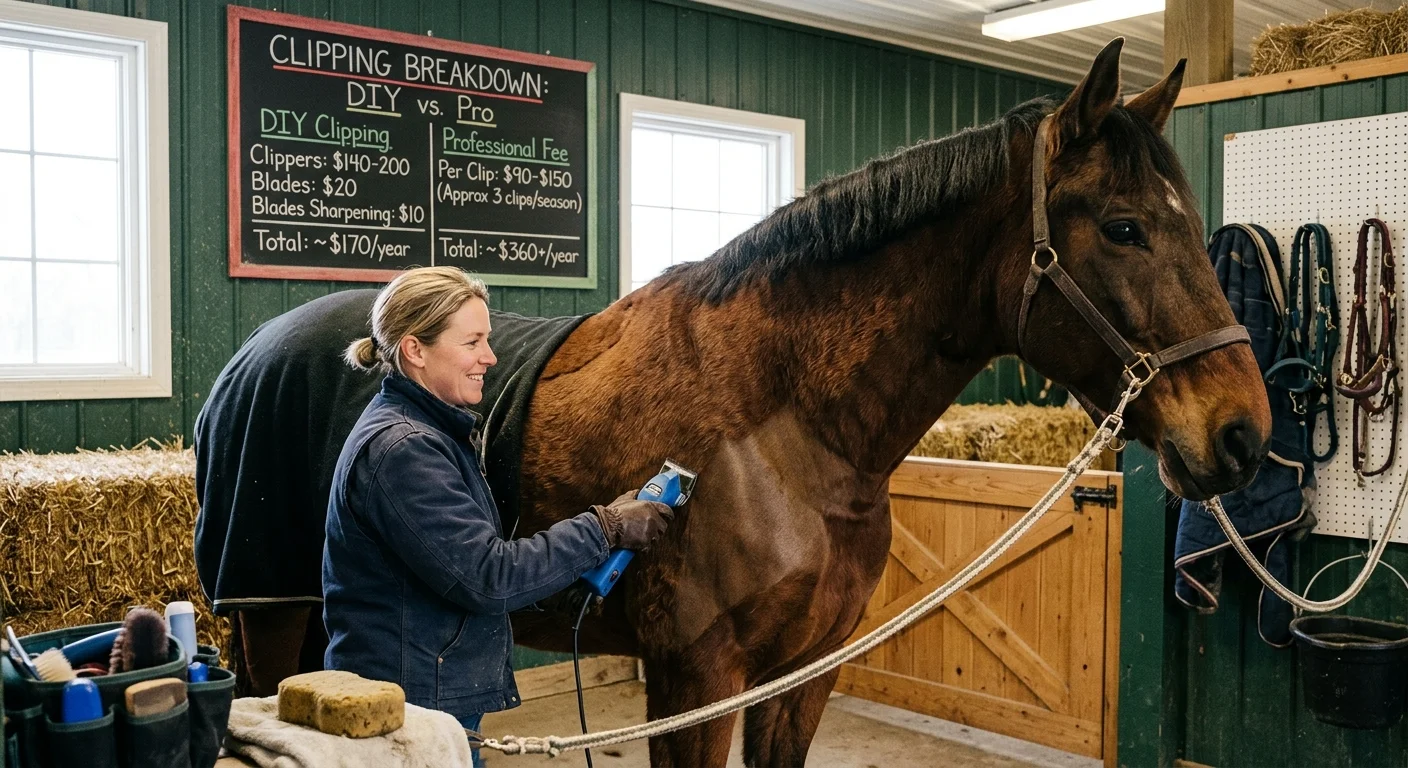
Your horse knows you're running late. And he won't let you forget it. That impatient pawing, the anxious weaving, the nicker that sounds like a complaint — horses run on habit. Their health and happiness depend on a world that feels predictable.
A solid daily routine for your horse goes beyond keeping yourself organized, though that is undeniably a nice bonus. It gives your horse the one thing he thrives on — consistency. But performing these daily tasks also requires the rider to be well-prepared and protected against the elements. Sourcing durable gear from reliable equestrian clothing manufacturers ensures you stay comfortable during long hours in the barn. Whether you are a new horse owner still figuring out which end of the lead rope goes where, or a seasoned facility manager supplying your team with wholesale equestrian clothing, establishing a practical system is vital.
This guide offers a no-fluff breakdown of how to structure every hour of your horse's day. We cover everything from the horse feeding & watering schedule to the unglamorous grooming and stall cleaning routine, alongside a proper exercise plan and evening wind-down checklist. Structure is everything here. Built on feeding, movement, and rest, this blueprint aligns with a horse's natural biological rhythms, ensuring you work smoothly through the day—ideally wearing apparel crafted by a dedicated equestrian clothing manufacturer.
Why Horses Need a Consistent Daily Routine (And What Happens Without One)
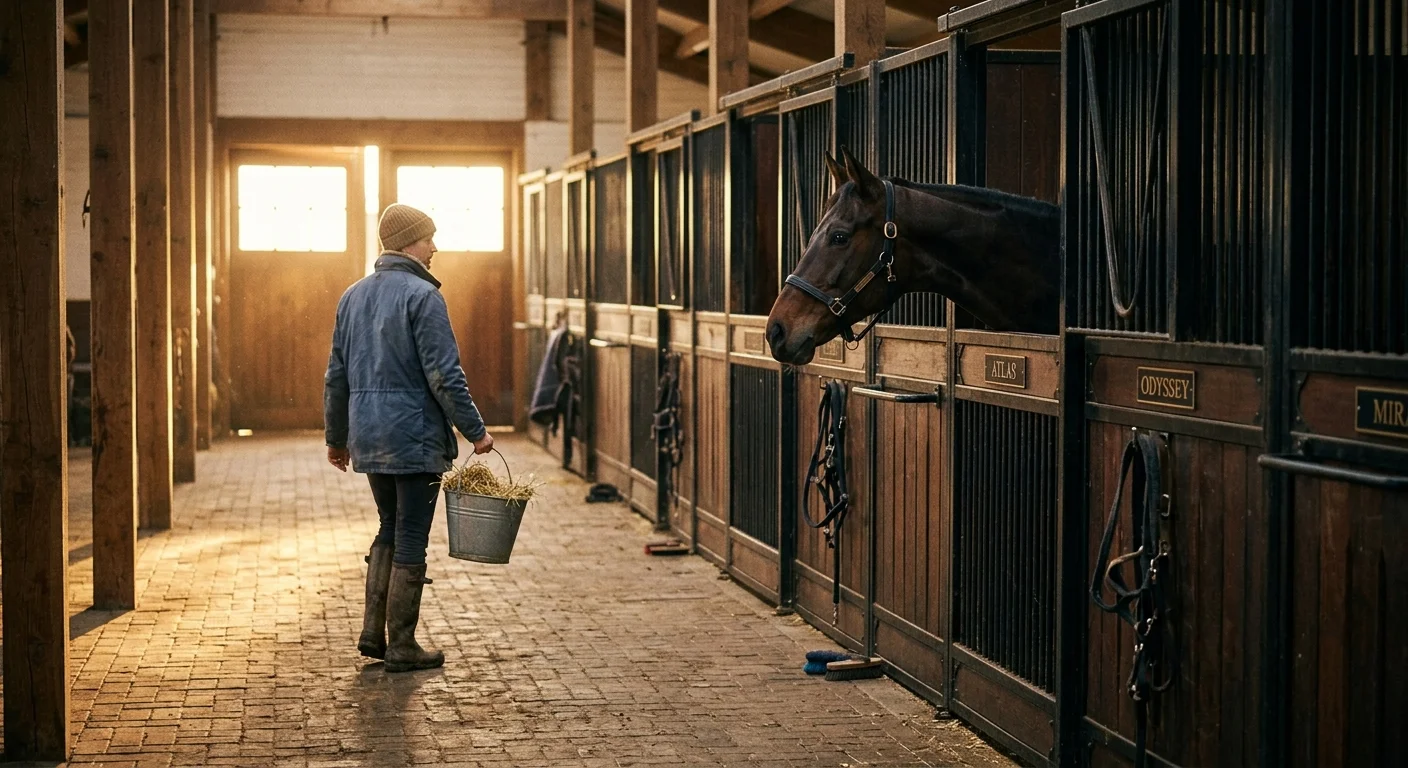
Horses run on biological schedules. Their bodies expect the world to show up at the same time, every time. That is not just a quirky personality trait; it is pure physiology. A horse's digestive system needs near-constant grazing to work properly, while his muscles and joints rely on regular movement. His nervous system settles comfortably into predictable social patterns. When you break those patterns, the fallout comes incredibly fast, and science provides clear measurements of the damage.
Research shows that horses receiving less than one hour of daily turnout become noticeably more defensive, reactive, and significantly slower to respond to handlers. Irregular feeding throws off the delicate balance of gut bacteria, which dramatically raises the risk of gastric ulcers and colic. Furthermore, stabled horses may move as little as 200 meters per day compared to the five or more kilometers they would travel in larger setups. Young foals without consistent daily turnout face a massive 2.8 times higher injury risk. A solid horse barn routine does more than save you time; it builds critical bone density, protects soft tissue, and shapes a calmer, more confident animal. Routine isn't rigidity. It's the kindest thing you can give him.
Step 1 — Assess Your Horse's Individual Needs Before Building Any Routine
No two horses are exactly the same. A customized approach is necessary because a 4-year-old barrel prospect and a 22-year-old retired show jumper might share a barn, but their daily needs are entirely different. Start any regular care plan by taking a clear, objective look at your specific horse.
The Variables That Shape Everything: Age changes the math in a big way. Young, growing horses can need up to 25% more calories than mature ones, while senior horses often face weight loss and arthritis, requiring low-starch feeds. Health status is absolutely non-negotiable. Conditions like Cushing's syndrome (PPID) or Navicular syndrome limit how hard a horse can work and require specialized dietary management. Work intensity drives calorie needs to the point where a competing eventer may burn double the calories of a trail horse. Finally, housing matters; stalled horses lacking turnout are highly susceptible to developing repetitive stress behaviors.
Your Baseline Check: Before launching into your equine daily care plan, honestly assess a few key areas. You should be able to feel his ribs with light pressure but not see them, indicating an ideal body condition score. Ensure he eats and drinks steadily with no unexplained weight loss, and observe whether he gets up from lying down without struggle or stiffness. He should be curious and engaged with herd mates, his hooves should grow healthily without cracks, and he must have plenty of room to move. If you answer negatively to these observations, call your vet before locking in a routine. For large facilities, running these assessments outdoors takes time and exposes staff to harsh weather. Many managers rely on an equestrian clothing factory to source protective, custom equestrian apparel to keep their teams warm while monitoring the herd.
Step 2 — Structure Your Morning Horse Care Routine (The Most Critical Block)
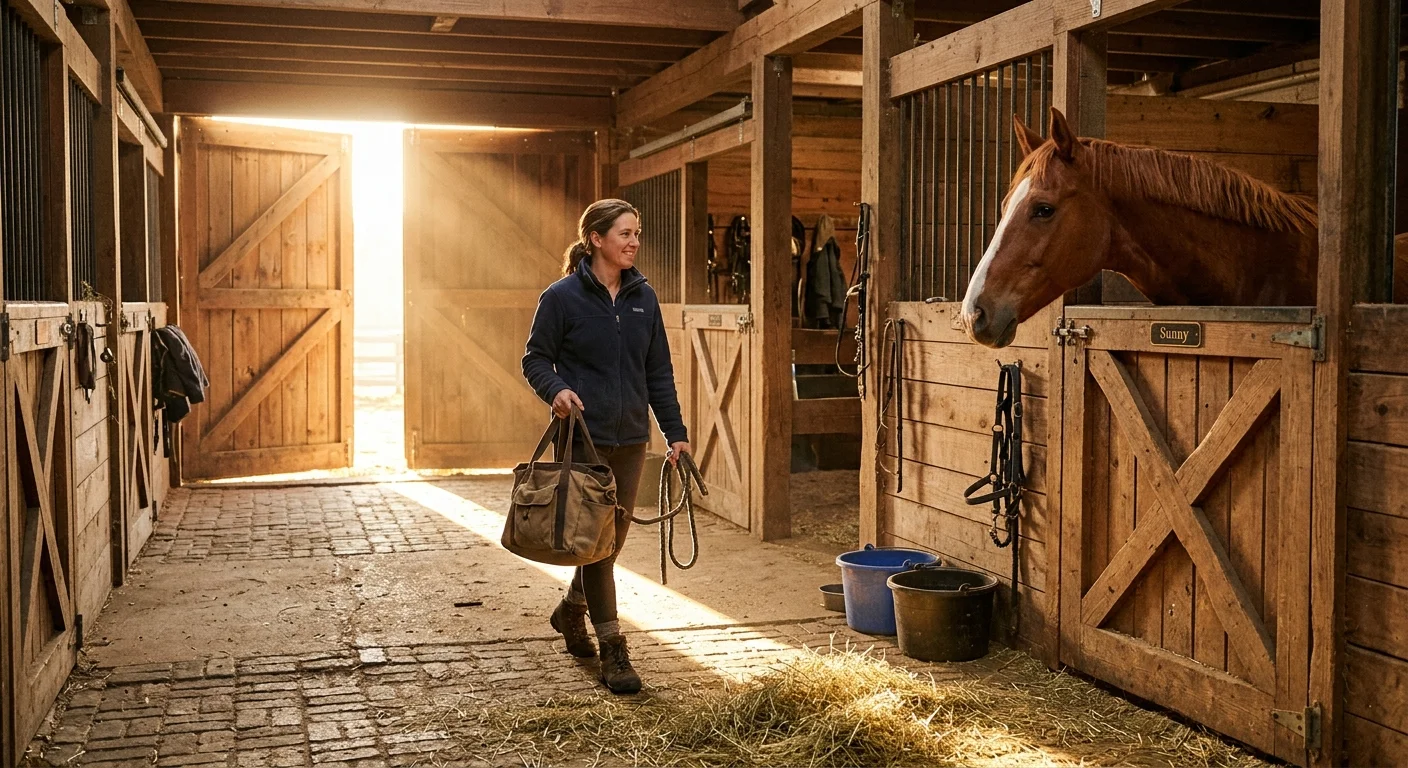
The barn at sunrise has its own kind of magic and its own unique pressure. Because the morning block is the most critical part of your entire horse barn routine, how you move through it fundamentally shapes the rest of the day.
Feed and Water First: Fresh water goes in the bucket before anything else. Your horse needs between 5 and 15 gallons per day, a number that climbs quickly in heat or if he has exercised hard, where he might drink up to 10 to 12 gallons on his own. After water, provide hay, and only then offer grain. This sequence gives the gut something fibrous to work with before concentrates hit the system, triggering saliva and optimizing digestion. It is always wise to split concentrates across 2 to 3 smaller meals throughout the day.
The Morning Health Check: While your horse eats, run your hands down every leg to check for heat, swelling, or cuts. Pick out each hoof, moving from heel to toe to clear out stones and manure. Checking hooves daily catches problems early enough to prevent up to 70% of abscess cases. Scan him from head to hoof, ensuring his eyes are bright, his nostrils are clean, and his manure output remains steady.
Avoiding Morning Mistakes: Rushing the health check is a prime mistake; taking just 10 to 15 minutes to observe his appetite can provide an early colic warning. Skipping hoof care invites thrush, so alongside picking hooves, schedule a farrier trim every 6 to 8 weeks. Furthermore, neglecting water hygiene leads to sneaky dehydration as algae builds up. An effective horse grooming routine and feeding schedule usually takes 30 to 60 minutes, but research proves it can cut behavioral and digestive issues by 40%. Having reliable barn jackets from expert equestrian manufacturers makes executing these early chores much more pleasant.
Step 3 — Plan Your Horse's Daily Exercise and Turnout Schedule
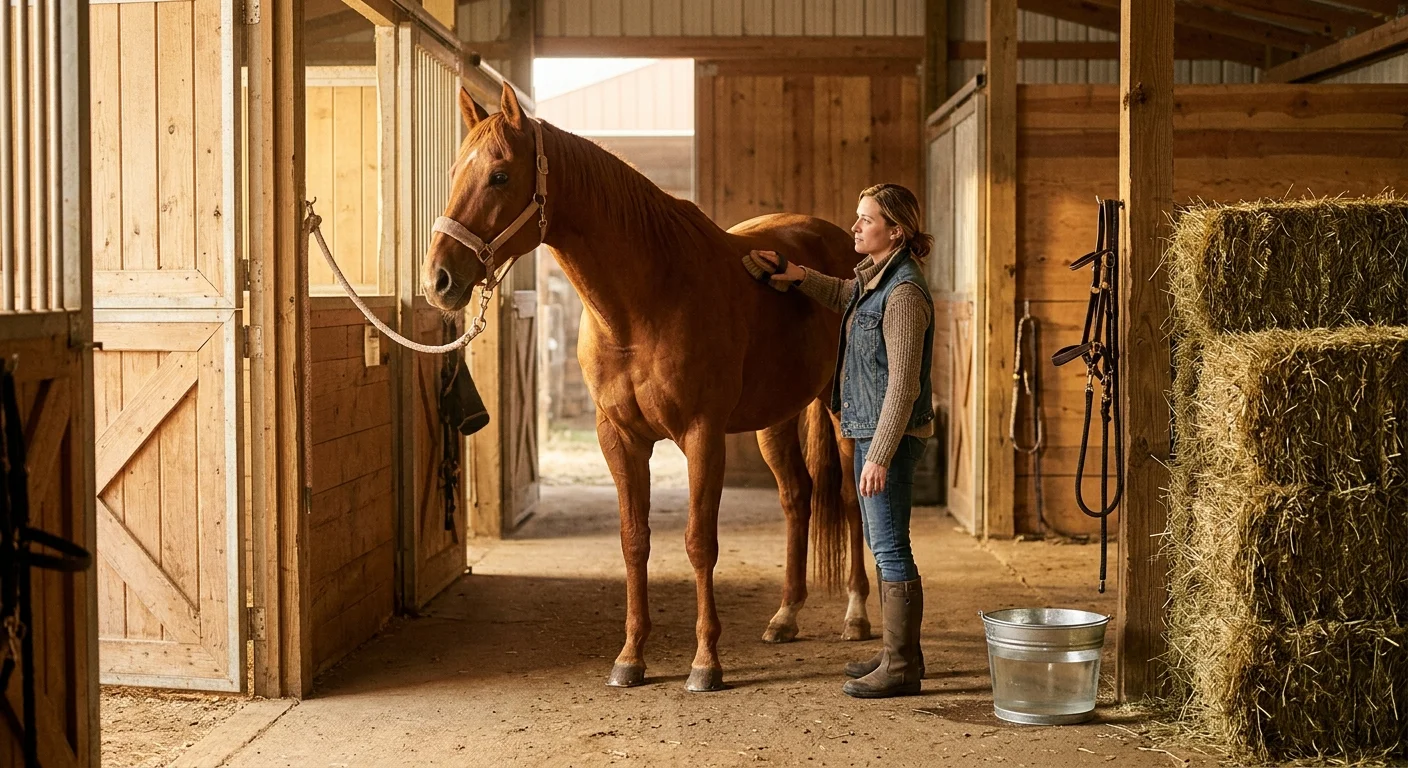
Movement isn't just an optional activity; for a horse, it is biology. Stalled horses with limited exercise quickly build tight muscles, sluggish digestion, and anxious behaviors. The baseline requirement every horse needs is 25 to 30 minutes of continuous movement at about 40% of maximum heart rate at least four days per week. Match this schedule strictly to the horse's job.
Balancing the Workload: For a horse in maintenance mode, schedule diverse light activities—perhaps a 25-minute walk on Monday, lunging on Tuesday, a modest ride Wednesday, resting Thursday, and simple transitions through the weekend. For a horse in a building phase, stretch sessions to 50 minutes and include a long weekend hack to build an aerobic base without stressing the joints. In all situations, you must start and end with 10 to 15 minutes of walking for adequate warm-up and cool-down. If you are building fitness from a low baseline, advance the workload gradually over six weeks of steady work four or more days per week. Hard sessions absolutely require recovery, meaning you should train every other day, not on consecutive days.
Riding outside through changing seasons means the rider must endure unpredictable climates. Equipping yourself in high-end custom equestrian clothing specifically designed for breathability and warmth by dedicated equestrian suppliers allows you to focus purely on the animal’s gait rather than your shivering shoulders. Many riders also find that the right riding gloves make a significant difference in grip and comfort during long training sessions.
Step 4 — Build Your Evening Horse Routine Around Recovery and Preparation
The barn at dusk transitions into a time dedicated entirely to recovery. Skipping crucial steps now will inevitably force you to pay for them tomorrow.
Cool Down and Grooming: The recovery clock starts the second you dismount. Walk him under saddle for 10 to 15 full minutes. His chest temperature should be warm and steady, not hot and sweaty, before you untack. Offer water only after his chest temperature normalizes. Follow up with a thorough massage brush in slow circular motions for 10 minutes to release muscle tension, followed by a hard bristle brush and a soft finisher. Pick every single hoof carefully, because moisture-packed hooves breed bacteria overnight and invite stubborn thrush.
Evening Health and Feeding: Run through your baseline checks before leaving. Respiration should sit at 8–16 breaths per minute, pulse at 40–45 beats, and his core temperature around 37.5–38.5°C with perfectly pink eye membranes. He should be passing 8 to 12 manure piles per day. When it comes to his evening feed, remember that a horse's stomach produces acid non-stop. If he goes more than four hours without forage, ulcer risks multiply rapidly. Provide enough leafy, dust-free hay to cover the overnight stretch, and hold any grain until at least one hour after hard exercise.
Next-Day Prep: Strip soiled bedding, add fresh shavings, and check the stall explicitly for loose hardware. Spend just five minutes pre-weighing tomorrow's grain and confirming the salt block is accessible. Your evening sign-off should verify fresh water, plentiful hay, a safely latched stall, a calm-breathing horse, and well-stored tack.
Step 5 — Handle Midday Checks Without Disrupting Your Workday
Most working horse owners carry midday guilt, sitting at a desk while their brain remains in the barn. Fortunately, a massive visit isn't necessary, but a short, focused 10-minute check pays dividends—especially during extreme weather.
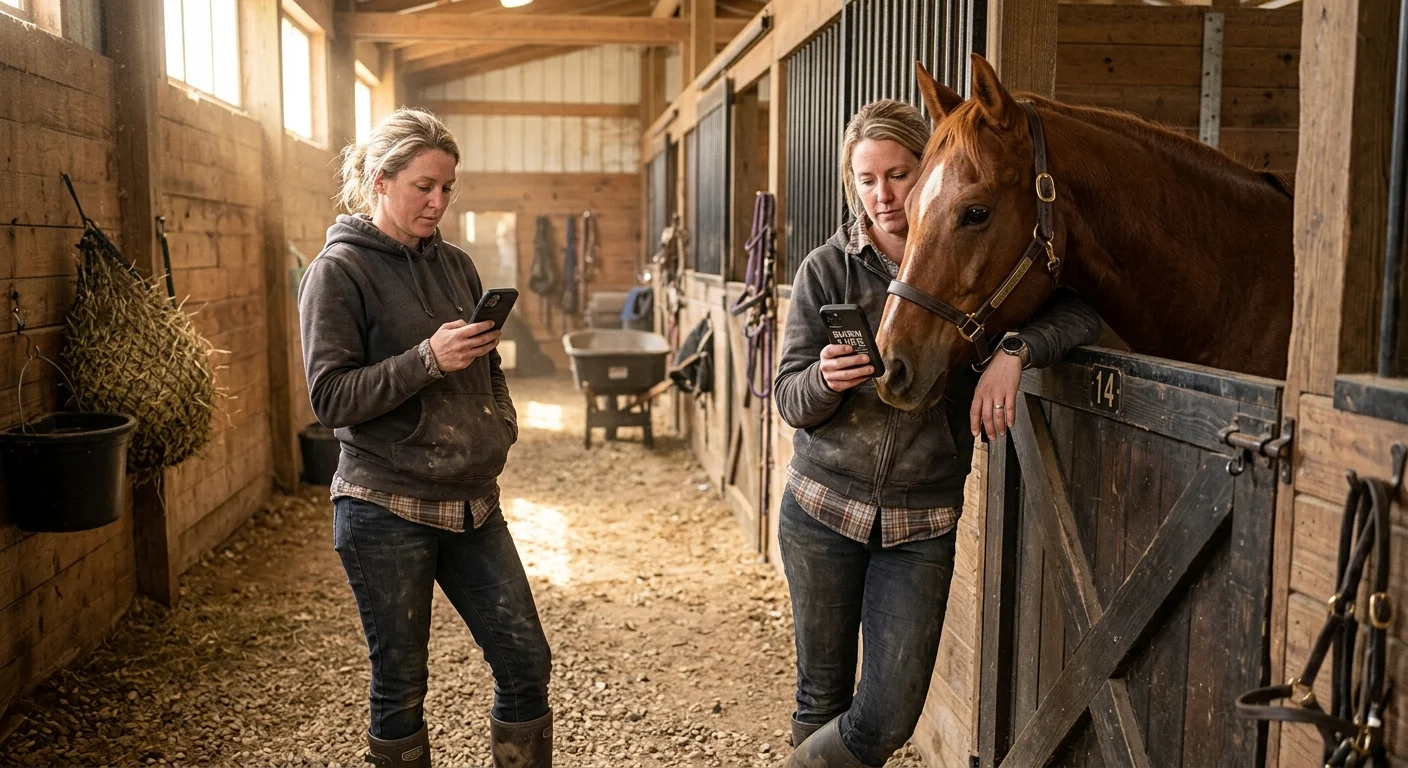
When summer temperatures push above 30°C or winter drops below freezing, quick checks become non-negotiable for very young or senior horses. In just a few minutes, you can verify his water bucket is at least half full, ensure he is working steadily through his daily roughage, loosen or snug his blanket appropriately, and watch for any subtle stress signals like unnecessary sweating or pacing. If physically leaving work is impossible, installing a 4G WiFi camera with motion alerts provides tremendous peace of mind. Alternatively, simply establishing a quick photo-check system with a stable hand can keep you perfectly connected to your horse's midday wellbeing.
Empowering Your Barn Team with RunEquestrian Gear
Maintaining such a meticulous, multi-step daily routine is physically demanding work that happens regardless of rain, sleet, or high winds. To perform these demanding tasks efficiently, stable staff, horse trainers, and facility owners genuinely require resilient gear that won't tear or restrict movement. This is exactly where a strategic partnership with top-tier equestrian outfit manufacturers profoundly changes the operational game.
Specifically, RunEquestrian stands out as a premier equestrian clothing manufacturer dedicated intimately to the needs of modern horse farming operations. Whether a barn manager is seeking custom equestrian apparel to seamlessly unify their team's presentation, or simply needs heavy-duty outerwear for those freezing early morning feeds, depending on an expert equestrian clothing factory is essential. By offering comprehensive OEM/ODM services, they empower large equestrian centers to design their very own private label equestrian clothing that actively reflects their brand’s prestige. Working directly with seasoned equestrian manufacturers ensures that your staff stays perfectly dry and warm. Furthermore, if you need to supply dozens of riders, exploring options for a fully tailored custom equestrian outfit alongside extensive wholesale equestrian clothing packages makes the entire outfitting process cost-effective and streamlined. Investing in reliably crafted high-end custom equestrian clothing means that the focus stays strictly on the animal rather than failing zippers or torn seams. When barns align with forward-thinking equestrian suppliers, the daily routine elevates from a painful chore into a fluid, professional practice.
Weekly and Monthly Horse Care Tasks to Add to Your Routine
Daily routines carry the horse from dawn to dusk, but your focused weekly and monthly tasks are what carry the routine long-term.
Weekly Tasks Worth the Time: Every single week, disassemble and deeply clean your tack because cracked leather and stretched stitching can cause disastrous accidents. Dedicate time to a deep water scrubbing using a stiff brush so hidden slime doesn't deter his water intake. Pull up your stall mats to clean what's underneath and allow the foundational floor to dry. Give your horse a fully intensive grooming session, carefully parting the mane and tail to check the skin base. Run a methodical parasite check across the lower legs and underbelly to catch early tick or fly bite irritations.
Monthly Tasks and Scheduling: Once a month, entirely strip all the bedding out of the stalls to aggressively disinfect the walls and wipe down rafters. Walk the complete perimeter of your fence lines, visually scanning for poisonous plants or structurally compromised posts. Honestly re-evaluate his body condition score and adjust his feed increments if needed. Restock every expired item in your barn's first-aid kit. Additionally, remember to proactively book professional appointments. A highly demanded professional won't rearrange their schedule for poor planning, so lock in your farrier trim every 6 to 8 weeks, secure an annual veterinary examination, and request dental floating once or twice a year well in advance.
Common Mistakes New Horse Owners Make (And How to Fix Them)
New horse owners rarely fail because they don't care about their animals. They usually stumble because tiny, repetitive habits compound in unforgiving ways behind the scenes.
The first major mistake is allowing inconsistent feeding times. Feeding at 6 AM one morning and 8 AM the next triggers cortisol spikes, and this chronic stress eventually wrecks digestion. The fix is absolute defense of your standard feeding hour, shifting gradually if life demands a schedule change. The second mistake is ignoring actual water intake by overly relying on automatic waterers. You simply cannot see how much a horse drinks from an automatic basin; scrub standard manual buckets frequently so you can accurately measure intake visually.
Getting exercise profoundly wrong in either direction is the third major trap. Too much stall confinement causes immense stiffness, while too much sudden intense work tears down soft tissue. Balance the scale by keeping baseline hay at roughly 2% of their body weight and adapting the workload sensibly over time. The fourth mistake is skipping daily behavioral baselines. Writing off a subtle head toss or slight appetite reduction as a quirky mood is dangerous; three odd behavioral readings essentially form a clear data pattern that demands a veterinarian. Finally, failing to transition slowly for the changing seasons triggers an alarming percentage of all colic cases. Always transition any new feed incredibly slowly over a two-week period, and purposely increase your winter hay limits by 20–50% so the horse has enough fuel to actively stay warm.
- Complete refusal to eat for 12+ hours
- Zero manure output
- Violent rolling or flank watching
- Lethargy or labored breathing
Never hesitate to immediately contact your vet if you observe a complete refusal to eat for 12 hours, zero manure output, violent rolling or flank watching, lethargy, or labored breathing. Understanding whether horses feel pain under saddle is another critical consideration for any responsible owner.
Conclusion
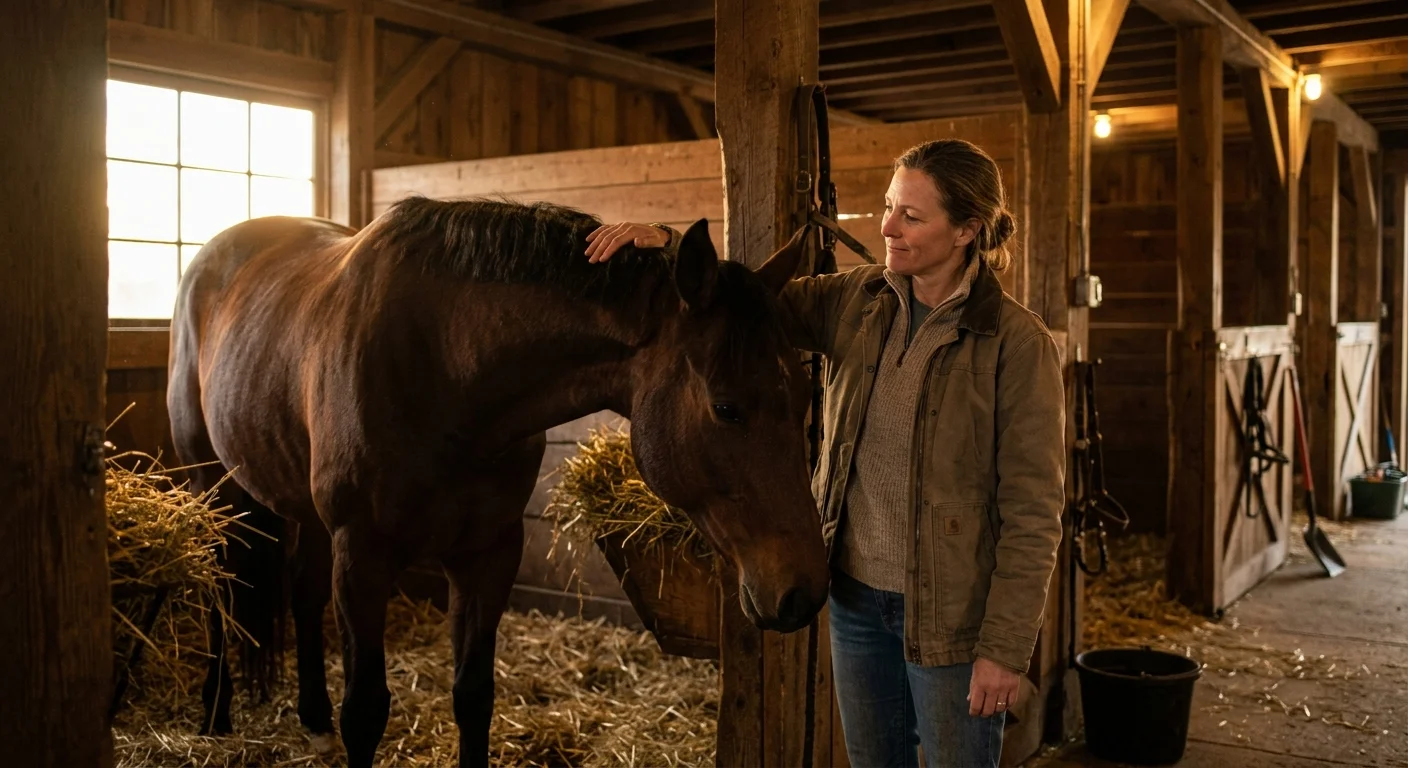
At the end of the day, your horse honestly doesn't need flawless perfection from you—he simply needs predictability. An unshakeable, reliable daily routine is the greatest gift an owner offers. It profoundly supports his digestive health, evens out his mood, protects his soundness, and ultimately builds his unwavering trust in you. From that crisp first morning feed to the final evening stall check, every consistent time you show up signals to him that his world remains safe and entirely steady.
If this feels overwhelming, start remarkably simple. Pick a single block of time, perhaps the morning feed, and anchor your horse feeding schedule and grooming habits securely there before ambitiously adding the rest. Furthermore, recognize that surviving early frost and evening muck isn't possible without the right gear. Professional farms align seamlessly with equestrian outfit manufacturers that offer premium custom equestrian clothing so that comfort never compromises safety.
Print out a baseline checklist, stick it to the barn wall, and just purposefully begin. The beautiful secret nobody tells you about structuring your horse's day is that the routine genuinely isn't just for them. It actively grounds you, too. Smelling the sweet hay and hearing that quiet nicker knowing you are right on time makes every single early alarm absolutely worth it.