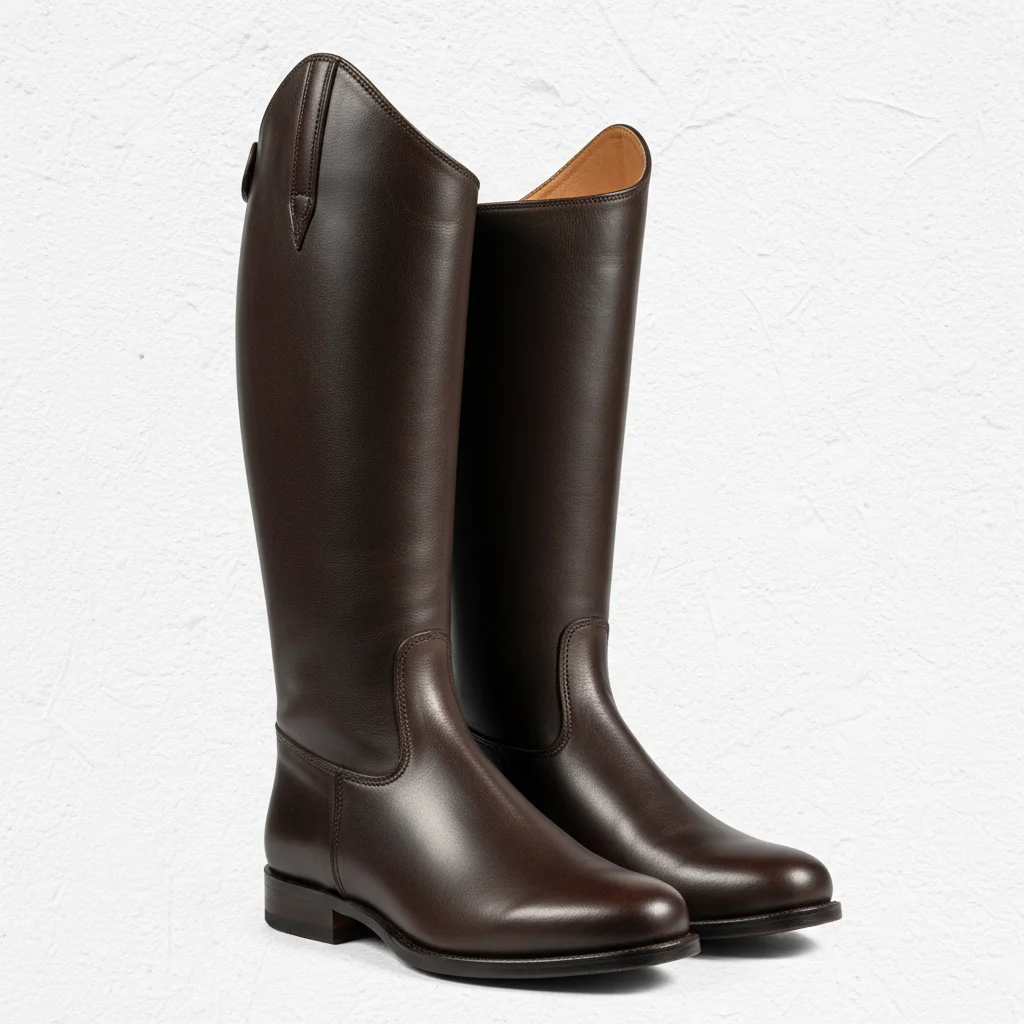
You just spent serious money on those beautiful leather cowboy boots. Now storm clouds are rolling in and panic is setting in. I get it—you don't want to watch your investment turn into a warped, water-stained mess after one downpour. As experienced equestrian suppliers, we've seen plenty of high-quality boots ruined by a lack of knowledge.
Here's the truth: traditional leather cowboy boots aren't waterproof. But they don't have to be defenseless against moisture either. Whether you are a rider or sourcing from equestrian outfit manufacturers, understanding leather care is vital.
Maybe you're wondering if you can wear your boots in the rain. Or you're trying to figure out how to protect them before disaster strikes. Or they've already gotten soaked and you need help fast. You're in the right place. We will walk you through everything, drawing on industry insights from top equestrian clothing manufacturers. You'll learn why leather and water don't mix well, which waterproofing treatments work, and get emergency recovery tricks. Let's turn you into a confident boot owner who appreciates the craftsmanship of custom equestrian apparel.
Are Cowboy Boots Waterproof? The Material Science
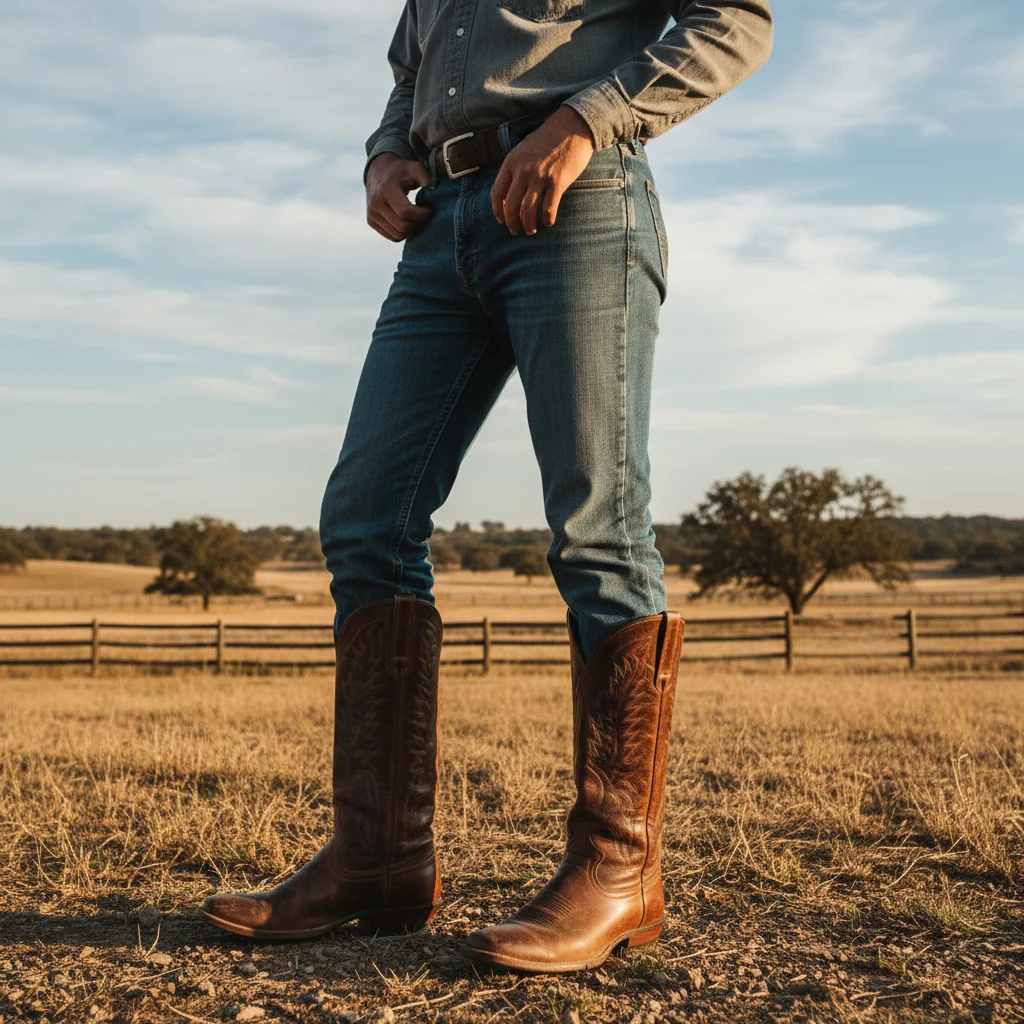
Leather breathes. That's both its blessing and curse with water. Most traditional cowboy boots are not waterproof. Leading equestrian clothing manufacturers design boots from high-quality leather that resists water but isn't sealed tight. Think of leather like your skin; it has tiny pores that make the material breathable and comfortable, but these openings also let moisture sneak in. Water seeps into these pores, causing the leather to warp, stain, or lose strength. This is why high-end custom equestrian clothing requires specific care instructions.
Waterproof leather shouldn't absorb more than 25-30% of water to keep its heat and cold protection. Absorption isn't the only problem. Water steals something effectively. Every time your boots get soaked, they lose natural oils that keep the leather soft and flexible. Without these oils, your boots turn stiff and rough. Each wet-dry cycle weakens the fibers, shrinking the lifespan with every rainstorm.
The type of leather matters. Full-grain leather offers high water resistance when treated, a standard for quality wholesale equestrian clothing. Smooth leather can repel some moisture but will absorb water over time. Suede and nubuck are delicate and need serious care. Patent leather offers higher resistance due to its sealed surface, while synthetic leather often beats natural leather in waterproof tests. Many brands utilizing OEM/ODM services now offer treated options, but understanding the base material is key. To test resistance, sprinkle water drops on them. If those droplets bead up and roll right off, you're good.
Water Exposure Risks: What Happens to Wet Cowboy Boots
Water hits leather and the clock starts ticking. Moisture touches your boots, and those tiny pores pull water inside like a sponge. Your boots swell up, and the shape shifts. As an equestrian clothing factory dealing with raw materials, we know that leather expands when wet. The material stretches and loses its original form.
The first 24 hours show immediate damage. Discoloration strikes first. Water leaves visible marks, especially on light-colored boots. Suede and nubuck owners face instant disaster as these materials stain the second water touches them. Over time, repeated wet-dry cycles cause the leather fibers to weaken. Think of it like bending a paperclip back and forth; it eventually snaps. Cracks start appearing in the flex points around the ankles and across the vamp. The stitching, often a hallmark of custom equestrian clothing, suffers too as water weakens the thread.
The sneaky part is that drying out wrong causes the deepest damage. Rush the process with direct heat and watch your investment crumble. The leather shrinks too fast, and cracks spider across the surface. Many equestrian suppliers warn that every wet episode steals your boot's lifespan. However, brief rain exposure or stepping through puddles won't wreck well-maintained boots. Act fast with the right drying and conditioning, and you can dodge most damage.
How to Waterproof Your Cowboy Boots: A Professional Guide
Protect your boots before water gets to them. This approach is standard advice from any reputable equestrian clothing factory. You’ve got choices for waterproofing: some seal the surface, while others soak deep into the leather.
Essential Prep Work: Never slap waterproofing treatment on dirty boots. Clean those boots first using a dry rag or soft brush. Make sure your boots are bone dry. Test a small hidden spot first, especially on custom equestrian outfit pieces where color preservation is key.
Your Waterproofing Options:
Feeds boots while protecting. Mink oil or Neatsfoot oil goes deep into leather and stitching. It darkens leather, sometimes significantly. Best for full-grain leather boots you plan to keep for years.
Products like Sno-Seal or beeswax create a thick barrier. This heavy-duty option shines in snow. Wax can mess with resoling later, so keep that in mind if you use professional repair services.
Sprays offer speed and convenience. They let leather breathe better than heavy oils. However, silicone-based sprays can dry out leather over time. This is often the preferred method for private label equestrian clothing made of suede or nubuck.
The Universal Application Process:
Start with a deep clean (no water). Optionally, seal weak points with flexible seam sealer. Then, condition the base with a product like Venetian Shoe Cream. Next, add your chosen protector. For oil, massage it in; for wax, warm it slightly; for spray, apply an even coat. Let it cure by air-drying away from direct heat. Finally, test your work with the water droplet test. Reapply each season. Even high-end custom equestrian clothing requires maintenance. Remember, waterproofing blocks rain and splashes, not swimming.
Best Waterproofing Products for Your Boots
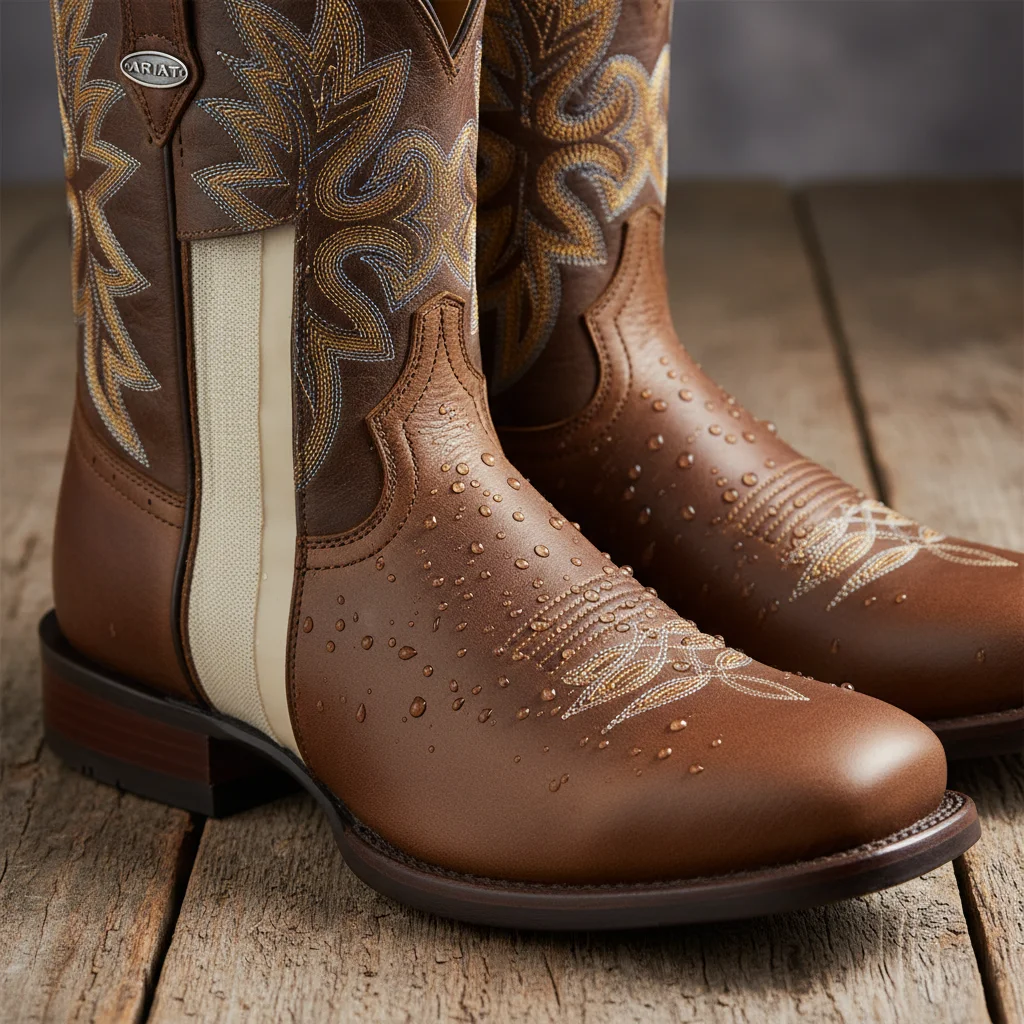
Not all products earn their spot on your shelf. As experts in wholesale equestrian clothing, we know what works. Huberd's Shoe Grease sits at the top. It creates a real water barrier without harsh chemicals, though it darkens leather. Sno-Seal is another reliable option for all-weather reliability. For conditioning, Mink Oil feeds full-grain leather while blocking moisture.
If you want to maintain the original color of your custom equestrian apparel, Bickmore Bick 4 creates a barrier without darkening, though its water resistance is lighter. Avoid products like WD-40 or subpar sprays that attract dirt or fail to protect. Brands offering private label equestrian clothing often recommend specific care lines to ensure longevity.
| Product | Water Protection | Won't Darken | Long-Lasting | Best For |
|---|---|---|---|---|
| Huberd's Shoe Grease | Excellent | No | Yes | Maximum waterproofing |
| Sno-Seal | Excellent | No | Yes | All-weather reliability |
| Mink Oil | Very Good | No | Medium | Work boots, regular wear |
| Bickmore Bick 4 | Fair | Yes | Medium | Light-colored boots |
To get maximum results from wax products, warm the wax first. Work it into every crease and flex point. Let the wax absorb for two to three hours. This method works substantially well, even better than some factory coatings that break down over time. Pair a grease with seasonal conditioning for the best defense.
Emergency Recovery: When Boots Get Soaked
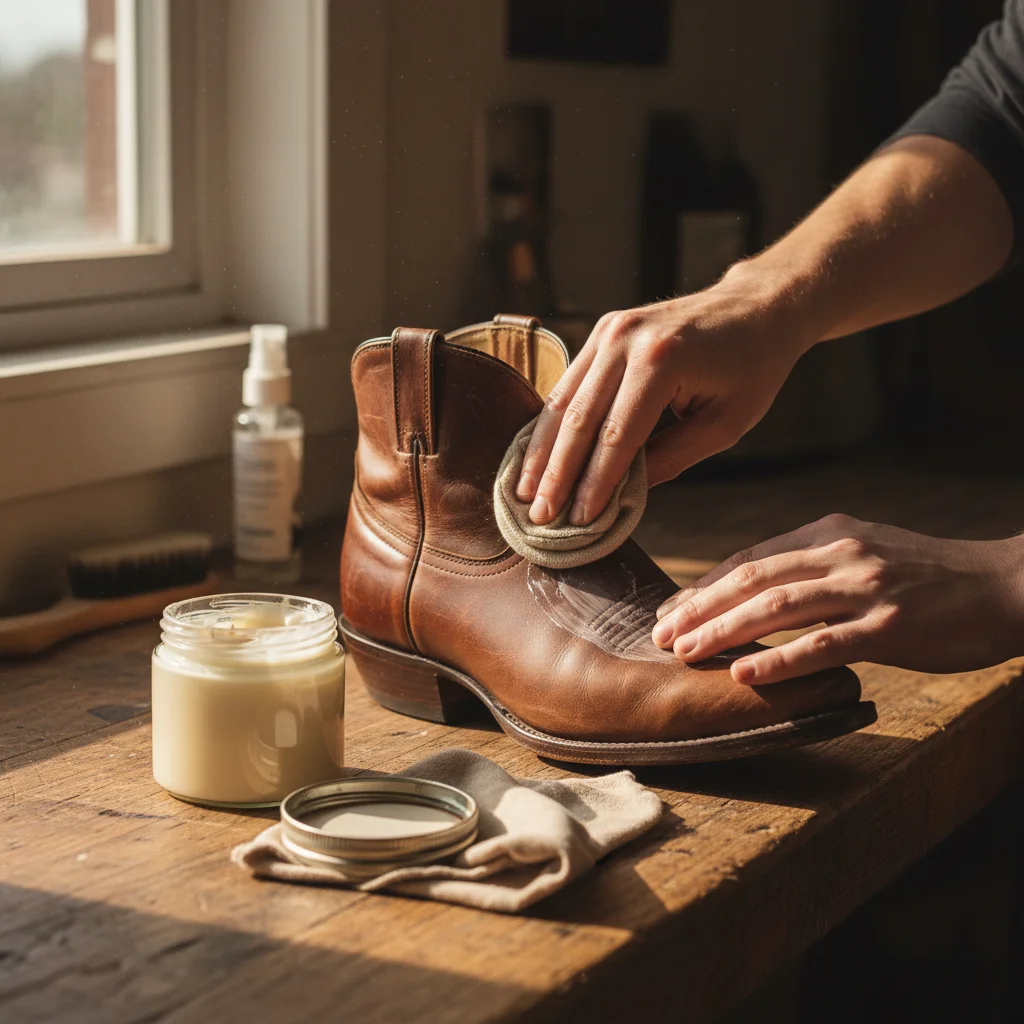
Your boots just took a swimming lesson. Whether it was a creek crossing or a puddle, speed matters here. Yank those insoles out immediately. Insoles trap moisture. Wrap your boots in a dry towel to pull surface water out. Then, stuff newspaper inside. Replace the paper every two hours at first. This simple trick is often shared by OEM/ODM services providers to maintain sample quality.
For drying, room temperature air-drying is the safest option. Never use direct heat. Radiators and blow dryers crack leather and melt adhesives used by equestrian outfit manufacturers. Keep them out of direct sunlight to prevent fading. Don't wear damp boots; moisture hides in the lining and creates friction blisters. If you have custom equestrian clothing boots made of suede, brush off mud while damp and let air-dry—heat turns suede into cardboard.
Once dry, inspect them. Apply conditioner immediately, as water steals natural oils. Test your waterproofing again. Proper drying kills bacteria and fungi, preventing athletic foot and odors. Your boots can survive, but you must act fast.
Rain, Snow, and Seasonal Maintenance
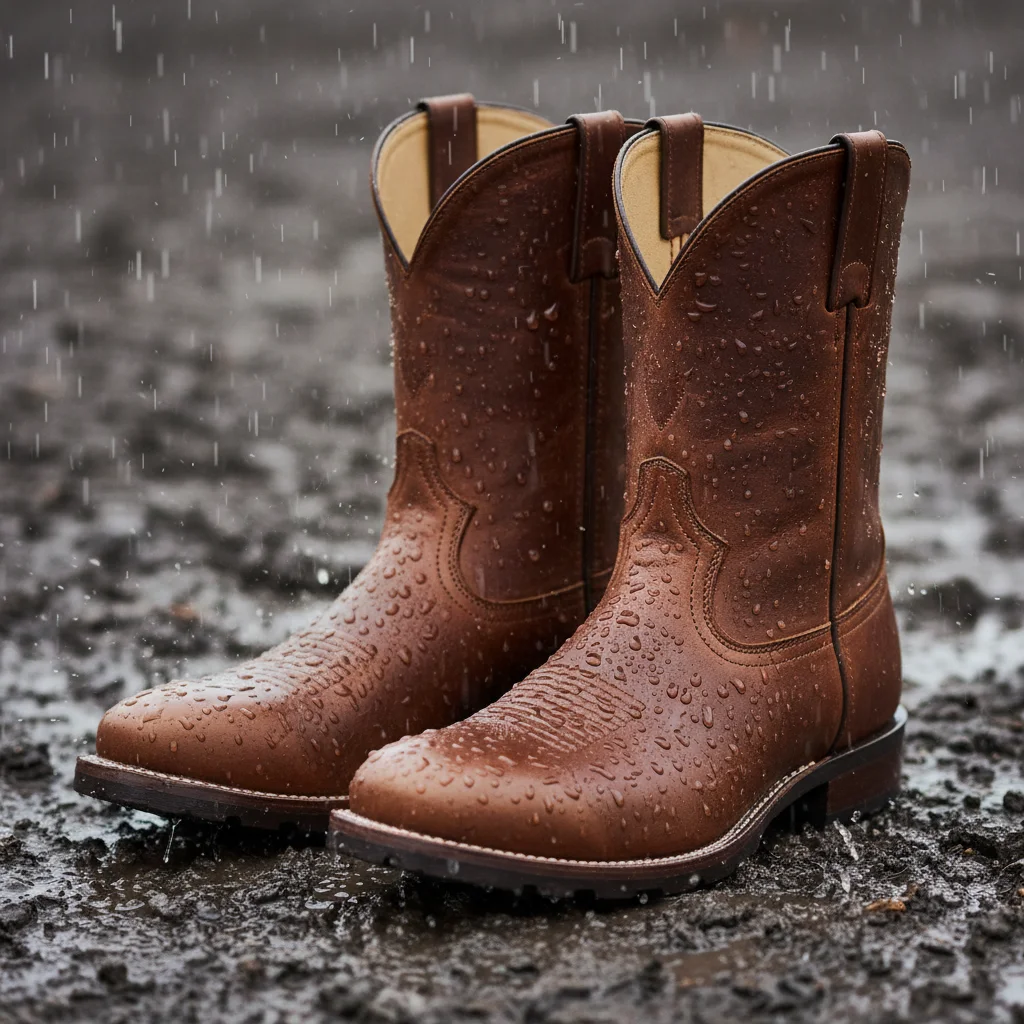
Mother Nature doesn't care about your favorite boots. Treated cowboy boots tolerate brief rain exposure—about thirty minutes max. Put leather conditioner on before heading out to create a temporary barrier. Prolonged rain strips protective oils, causing fibers to weaken. This is a common issue we address as custom equestrian outfit creators.
Cowboy boots generally fail in snow and ice due to zero insulation and dangerous traction on leather soles. If you must wear them, choose boots with Vibram rubber outsoles or Duratread for grip. Leather soles are death traps in winter. For serious winter protection, look for hybrid models with DRYShield™ construction. Equestrian outfit manufacturers specifically design these for ranch life where you bounce between outdoors and indoors, but they aren't meant for deep snow hikes.
To keep your boots waterproof all year, treat them every month. Waterproof your boots every 30 days if worn often. Deep clean with quality leather cleaner, condition to replace oils, and store them upright in a dry spot using boot trees. For custom equestrian apparel made of suede or exotic leathers (ostrich, snakeskin), utilize gentle, material-specific cleaners. Suede needs a protective spray monthly, while exotics need light conditioning with safe balsams. Vintage boots deserve extra respect—clean gently and store properly.
Conclusion
Your cowboy boots are more than just footwear—they're an investment worth protecting. Whether you bought them from a boutique or sourced them through wholesale equestrian clothing channels, the principles of care remain the same. Traditional leather cowboy boots aren't waterproof by nature, but with the right care, they can withstand the elements. Remember these three essentials: regular conditioning creates a moisture barrier, quality waterproof spray is your first line of defense, and proper drying techniques save boots.
As trusted equestrian suppliers and an experienced equestrian clothing factory, we know that protecting your boots takes just minutes each month but adds years to their life. Whether you are looking for OEM/ODM services or simply maintaining your own private label equestrian clothing, these tips ensure confidence in any weather. Start with a thorough cleaning this weekend, apply your treatment, and let your well-kept boots tell your unique story for years to come.