Every responsible rider has asked: Am I hurting my horse? This question sits at the core of ethical horsemanship. The answer isn't simple. While horses can feel pain during rides, they don't have to. Your horse's comfort depends on several key factors: saddle fit, your weight, your riding style, and the quality of the gear you use.
This isn't just about technique; it's about equipment. From the saddle on their back to the breeches you wear, every piece of kit influences the connection. This is why leading equestrian outfit manufacturers now focus heavily on biomechanics. Whether you are buying off the rack or looking for custom equestrian apparel, the goal is the same: ride in a way that respects the amazing animal who carries you.
This guide covers the science behind how horses feel pain, how to spot the warning signs, and how the right equipment—from saddles to custom equestrian clothing—can prevent discomfort.
Do Horses Feel Pain During Riding?

The data tells a stark story:
These aren't neglected horses. These are athletes in active training programs with dedicated caretakers who simply cannot see what's happening.
Here's the troubling part: 7% of horses showed lameness when ridden. They appeared sound during in-hand evaluations. Traditional soundness checks missed their pain. The weight of a rider, combined with movement demands, revealed discomfort that stayed hidden otherwise.
Why Pain Goes Undetected
Horses evolved as prey animals. Showing weakness invites predators. This survival instinct runs deep. Horses hide pain signs around potential threats—including humans. Your horse may hurt and never tell you in obvious ways.
Studies using controlled pain scoring found dramatic differences between lame and sound horses:
The link between behavioral markers and actual lameness was strong (P < 0.001).
The Behavioral Red Flags You're Missing
Research identified 15 specific pain behaviors that occurred more often in lame horses during riding:
Ears pinned back
Mouth opening or tongue visible
Changed eye expression
Going above the bit or head tossing
Head tilting
Reluctance to move forward
Moving in a crooked manner
Rushing or hurrying
Sudden gait changes
Poor canter quality
Active resistance
Stumbling or toe dragging
Weight distribution offers another critical clue. Healthy horses carry 60% of their weight on forelimbs, 40% on hind limbs. Painful horses shift weight away from the affected limb. If you dismiss these signs as "attitude problems," the root issue gets worse, and the relationship breaks down.
What Factors Determine If Riding Causes Horse Pain

Pain doesn't appear out of nowhere. It is often the result of cumulative factors: equipment, rider capability, and workload. The Ridden Horse Pain Ethogram (RHPE) gives you a concrete framework:
Physical Equipment and Fit
Saddle fit is the primary pain trigger. A poorly fitting saddle creates pressure points across your horse's back with every stride. However, rider clothing also plays a role. Poorly designed breeches can cause a rider to shift uncomfortably, creating an unbalanced load. This is why equestrian clothing manufacturers are increasingly using technical fabrics to ensure rider stability.
Horse-to-rider weight ratio determines whether your horse can carry you with ease. Tack choices matter just as much. Tight nosebands restrict breathing and jaw movement, creating constant discomfort.
Your Riding Affects Your Horse's Body
Your skill level influences your horse's pain. New riders bounce and shift weight unevenly. Each mistake sends force through the saddle into your horse's spine. Research confirms that rider posture problems and limited movement link to increased horse pain.
If you sit crooked or move stiffly, your horse's body compensates. Muscles tense. Weight shifts. Stride adjusts. Included in this equation is the gear you wear. High-quality gear from a reputable equestrian clothing manufacturer helps maintain the correct friction and grip, allowing the rider to move with the horse rather than against it.
Training Intensity and Workload
Workload becomes a risk factor at 5–6 hours per week. Pain risk increases past 7 hours per week and spikes past 13 hours. While some horses handle higher workloads, others develop problems quickly. Stable duties cause major pain too. Grooming and lunging activities contributed to pain intensity in roughly a quarter of cases.
Where Pain Concentrates
Riding-related pain follows clear patterns:
These aren't random numbers; they map where saddles sit and where rider weight concentrates.
Critical Signs Your Horse Is In Pain While Being Ridden
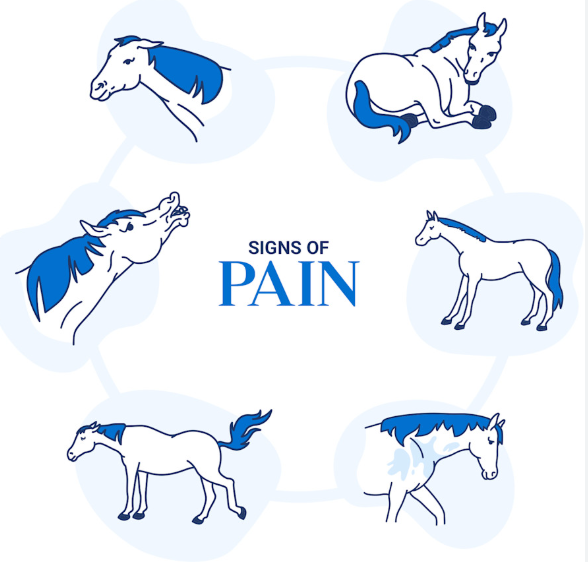
The Ridden Horse Pain Ethogram (RHpE) identifies 24 specific behaviors that show musculoskeletal pain. Watch your horse for 5–10 minutes under saddle. If you see ≥8 behaviors, it is a red alert.
The Behaviors That Matter Most
Research tracking eventing horses found clear patterns:
Performance Data Proves the Connection
Competition results back up these markers. Among 172 eventing starters, 63% of horses scoring ≥7 on the pain ethogram failed to complete cross-country. Pain isn't just a welfare issue; it is a performance destroyer. One case showed a horse with 12 out of 24 pain behaviors: unstable head carriage, canter kick-outs, and cross-firing. Riders saw it as resistance; tests revealed bilateral stifle problems.
Proper Saddle Fitting: The Foundation of Pain-Free Riding
A saddle assessment study revealed something troubling:
Most riders never realize their saddle doesn't fit because the horse compensates until the damage is done.
The Anatomy of a Proper Fit
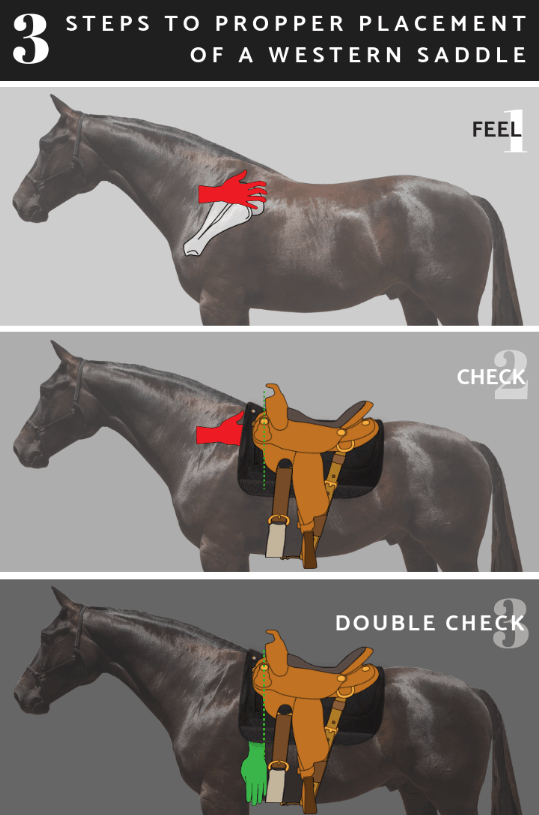
Gullet clearance decides whether your saddle sits on bone or floats above it. You need 2–3 fingers' worth of space between the saddle's gullet and your horse's withers. Less than that? The saddle presses onto vertebrae with every stride.
Gullet width must match your horse's build. Get this measurement wrong by half an inch, and you create pressure points that grind into muscle tissue thousands of times per ride. Breed-specific requirements matter; a Quarter Horse fits differently than a Thoroughbred or a Draft horse.
What Happens With the Right Fit
Research using inertial measurement units tracked horses through proper versus poor saddle fits. Well-fitted saddles produced:
Reduced peak pressures under saddle panels
Greater limb protraction (legs extended forward more)
Improved thoracolumbar width after exercise (spine kept natural mobility)
Adjustments under 1 mm precision can change movement patterns for both horse and rider. Rider pelvic motion varies about 10° between people. If your saddle fights your anatomy, or if your riding breeches don't provide the right grip, your stability suffers. This suggests that consulting with equestrian manufacturers who understand both horse and human physiology is vital for optimal performance.
Partner With Run Equestrian
OEM/ODM services for brands seeking premium equestrian clothing manufacturing.
Learn About UsRider Weight and Technique: Your Responsibility for Horse Welfare
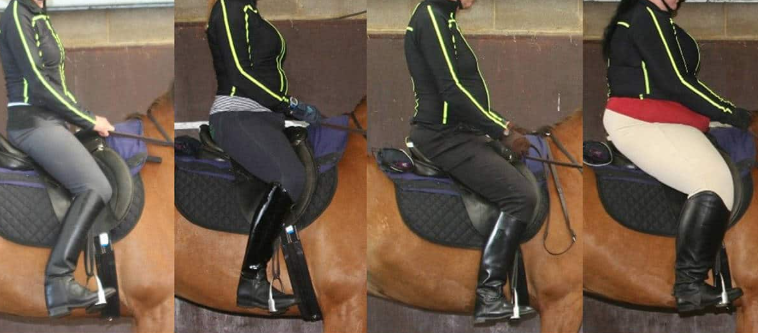
A pilot study put six horses under four riders of varying weights. The heavy rider—sitting at 16.7% of horse bodyweight—caused lameness after just 30 minutes. The very heavy rider (crossing 20%) couldn't complete a single session. In contrast, the light rider caused no abandonments, and horses returned to baseline quickly.
The Weight Threshold That Changes Everything
Cross 20% and you're not riding—you're causing temporary lameness. A UK survey revealed that just 5% fell within British equine veterinary guidelines for safe weight ratios.
Skill Amplifies or Reduces Weight Impact
Rider fitness, balance, coordination, and skill level decide whether your weight becomes a burden. A fit, balanced rider can ride "lighter" than an unbalanced one who bounces. Poor technique—like sitting crooked or gripping tightly—turns acceptable weight into damaging force.
This is where equipment selection becomes critical. Riders wearing high-end custom equestrian clothing specifically designed for stability can reduce micro-movements in the saddle. Stable riders create less impact, making the load easier for the horse to carry.
The Action Plan for Responsible Riders
If your weight ratio is high, consider these steps: Lose weight, build your horse's fitness, improve your riding skill, and choose low-impact work.
⚠️ The 20% threshold isn't a suggestion—it's the point where temporary lameness becomes predictable. Your horse cannot tell you in words when your weight becomes too much.
Bareback Riding vs. Saddle: Which Is Better?

Pressure mat data challenges the myth that bareback is always gentler. While a saddle creates a larger contact area, bareback riding produces higher average pressure and higher maximum pressure. Your seat bones press directly into the horse's muscles without a tree to distribute the force.
Larger areas exceeded 11 kPa during bareback riding—the point where tissue damage risk starts. While short sessions are fine, long-duration bareback riding creates focused pressure points. A saddle spreads force; bareback concentrates it.
RunEquestrian: Bridging Manufacturing and Welfare

When we talk about horse welfare, we often overlook the rider's apparel. Yet, if the rider is uncomfortable, chafing, or slipping, the horse suffers from the resulting imbalance. This is where RunEquestrian steps in.
Since 2009, RunEquestrian has built a reputation not just as a standard equestrian clothing factory, but as an innovator in rider biomechanics:
Why Saddle Fit Starts With What You Wear
Your breeches affect your position, and your position affects saddle pressure. RunEquestrian utilizes data from over 500 rider profiles to map how fabric moves during the posting trot and extended canter. Unlike generic garment makers, they are specialized equestrian manufacturers who understand the sport.
Their custom fabric blends deliver 30% better sweat-wicking than standard polyester, reducing friction and allowing for smoother weight shifts. Furthermore, their flat-lock seam technology ensures that no bulk interferes with the rider's seat bones, maintaining a level, balanced contact with the horse.
Solutions for Brands and Professionals
For brands looking to provide ethical, high-performance gear, RunEquestrian offers comprehensive OEM/ODM services. They make high-quality manufacturing accessible, whether you need wholesale equestrian clothing or strictly private label equestrian clothing.
By offering low minimum orders (100 pieces), they allow smaller brands, riding schools, and training facilities to access high-end custom equestrian clothing. When riders are equipped with gear that stabilizes their seat, they protect their horse's back. RunEquestrian proves that the right manufacturing partner is a crucial link in the chain of equine welfare.
Ready to Create Your Custom Line?
From design to delivery in 20 days. MOQ as low as 100 pieces.
Contact Us TodayConclusion
Do horses feel pain when ridden? The answer depends on you. Horses are complex, sentient beings that feel discomfort, but with the right approach, riding can be a pain-free partnership. It requires a holistic view: checking the Ridden Horse Pain Ethogram, ensuring a professional saddle fit, and managing your own weight and balance.
It also means investing in the right equipment. From the tack room to your wardrobe, every choice matters. Whether you are a rider seeking the best gear or a brand looking for equestrian clothing manufacturers to create products that enhance rider stability, the goal remains the same: minimizing the burden on the horse.
Start evaluating your setup today. Has your saddle been checked? Are you ignoring subtle signs of lameness? Is your apparel helping or hindering your balance? Responsible riding defines the difference between a partnership built on respect and one where the horse simply endures. Your horse deserves a rider who gets it right.