You've just booked your first riding lesson. The excitement is real—until the wardrobe panic hits. What on earth do I wear? You scroll through polished influencers on Instagram, then stare at your closet wondering if your gym leggings will survive. Spoiler: they might work for day one, but there's a better way to dress for safety and comfort.
Here is the truth that experienced riders and top equestrian manufacturers know: looking "camera-ready" matters less than staying safe. It's about functionality. Whether you are a beginner scouring the web for equestrian supplies or a barn manager looking for better gear, understanding the mechanics of riding clothes is crucial.
You might be confused about breeches versus jeans, or why custom equestrian apparel is becoming so popular among riding schools. In this guide, we are breaking down everything you need to know, from safety essentials to finding the right OEM/ODM equestrian wear providers if you're looking to kit out a team.
What to Wear for Your First Horse Riding Lesson

Your instructor sent the confirmation, but the dress code is vague. Let me save you the stress. You don't need to empty your bank account on day one, but you do need to be safe. Don't worry about the specifics just yet—I will introduce exactly how to choose the right tops, breeches, and helmets in detail in the following paragraphs. For now, here is your quick-start checklist organized from head to toe.
1. Head (The Non-negotiable): An ASTM/SEI-certified riding helmet is priority number one. Your brain needs protection. Most barns provide loaners, but if you are buying, look for reputable equestrian manufacturers who prioritize safety testing. Buying a helmet is where you invest; don't skimp here.
2. Upper Body (Fitted is Key): Think fitted, not baggy. Loose fabric is a hazard that can catch on tack or branches. A fitted polo, sun shirt, or athletic top works perfectly. If you are looking for specific wholesale equestrian clothing options for a club, breathable, fitted fabrics are the industry standard.
3. Legs (Comfort & Grip): Please, leave the jeans at home. The thick inner seam will rub your skin raw against the saddle. For lesson one, sturdy leggings or yoga pants are distinctively better. They offer the stretch you need. While you will eventually upgrade to specialized breeches or custom equestrian apparel with silicone grip, gym leggings are safe enough to start.
4. Feet (Safety Anchor): You need boots with a small, defined heel (1 to 1.5 inches). This prevents your foot from sliding all the way through the stirrup. Paddock boots are ideal, but any sturdy boot with a heel works for now. Sneakers? Absolutely not. They are dangerous.
Essential Riding Gear for Beginners (Safety First)

Safety gear isn't just about following rules; it's about keeping your body intact. Here is the breakdown of what actually keeps you safe.
The Helmet: Your Brain's Best Friend
A certified helmet can reduce the risk of severe head injury significantly. This is life or death. Ensure your helmet has the ASTM F1163 or SEI certification stamp. Quality equestrian manufacturer will always display these certs clearly. If you are browsing riding gear supplies, never buy a helmet used—you don't know if it has sustained internal damage from a previous fall.
Proper Riding Boots
Sneakers are a recipe for disaster. Proper riding boots feature a defined heel that catches on the stirrup, preventing your foot from slipping through and getting stuck. Riding-specific boots also support your ankle. Paddock boots are a great entry point—affordable, durable, and safe. Pair them with half chaps for the functionality of a tall boot without the customized price tag.
Riding Gloves
Blisters happen fast. Riding gloves improve your grip on the reins, especially when your horse is sweaty or it's raining. Look for reinforced fingers and good tactile feel. It’s a small investment that makes a huge difference in your control.
Riding Tops: Function Over Fashion
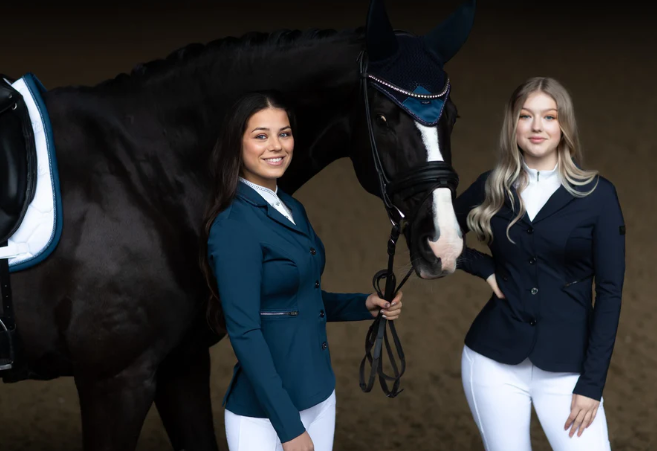
Your shirt does two things: protects your skin and lets your instructor see your posture. Baggy hoodies hide a collapsed core and slouching shoulders. You need fitted gear.
For lessons, a fitted athletic shirt is perfect. Summer riders should look for equestrian supplies that feature ice-silk or moisture-wicking technology. For women, a supportive sports bra is mandatory—riding is a high-impact sport.
Competition Standards: If you enter the show ring, the rules tighten. Show jumping often requires a hunt coat (navy or black) and a specific show shirt. Dressage gets even stricter. This is where custom equestrian clothing services come in handy for teams needing uniform show kits that meet strict regulations while breathing better than old-school wool coats.
Riding Breeches vs. Regular Pants
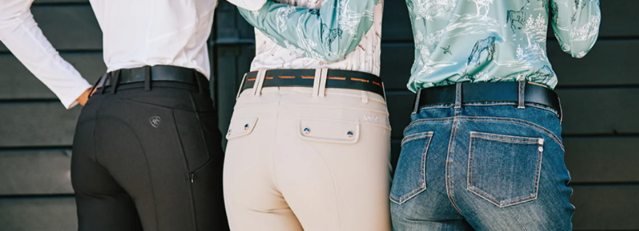
Why can't you just wear jeans? That thick inseam. In regular jeans, the seam creates friction against your skin and the saddle, rubbing you raw. Plus, denim has zero grip.
Why Breeches Work
Breeches are designed by equestrian manufacturers to eliminate inner-leg seams. They feature knee patches or full seats made of silicone, suede, or leather to help you stick to the saddle. They are also cut to fit a sitting position, preventing that annoying waistband gap at the back.
Riding Tights vs. Breeches: Tights are the modern, comfortable alternative. They feel like yoga pants but include the necessary grip and durability. Many brands now offer custom equestrian apparel options in tights, adding pockets for phones and treats, which are massive quality-of-life improvements.
Riding Boots Explained: Paddock vs. Tall
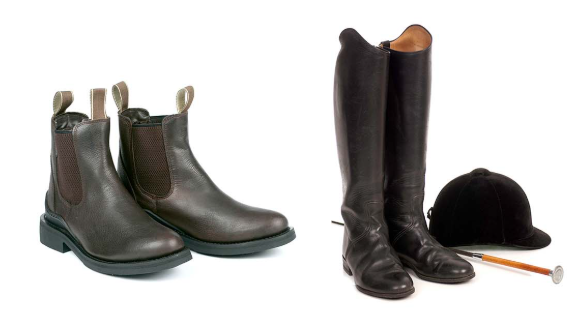
Walk into a tack shop and the wall of boots is intimidating. Here is the simple version.
Paddock Boots: These stop at the ankle. They are easier to walk in, cheaper, and great for learning. You usually wear them with "half chaps"—leather or synthetic gaiters that cover your calf to provide grip and protection.
Tall Boots: These go up to the knee. They are the standard for shows and serious training. However, fitting them is harder (you need calf width and height measurements). For wholesale equestrian clothing buyers, stocking a variety of sizes is tough, which is why paddock boots remain the staple for beginners.
Material: Leather is traditional and durable but requires care. Synthetic boots are waterproof and zero-maintenance—perfect for muddy winters. Many custom equestrian clothing factories now produce high-quality synthetics that look just like leather but cost half the price.
Helmet Safety Standards: What Stick to Look For
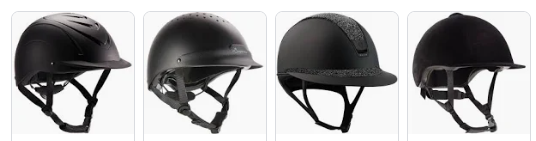
Not all helmets are created equal. The sticker inside matters. In the US, look for ASTM F1163 with the SEI mark. In Europe, you'll see VG1 or PAS015.
These certifications mean the helmet has been crushed, dropped, and battered in a lab so your head doesn't have to be. Advanced helmets might carry the Snell E2021 rating, which is the gold standard for high-speed impact protection. Whether you are buying from a boutique or a mass riding gear supplies retailer, check the date of manufacture. Helmets expire every 5 years as the materials degrade.
Gloves: The Right Protection
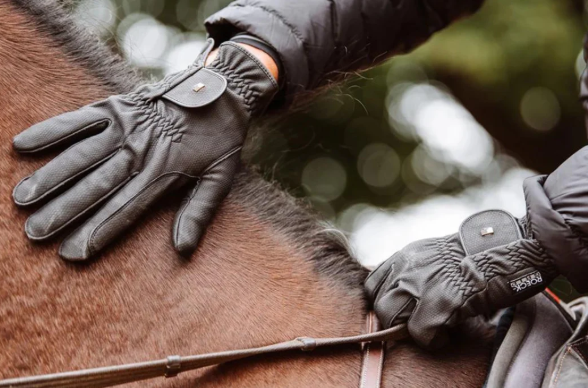
Riding gloves are technical equipment. The best custom equestrian apparel lines include gloves with specific grip patterns (silicone or leather) and reinforced rein fingers.
Impact protection is also a factor. Some gloves have light padding on the knuckles. If you are looking for wholesale equestrian clothing for a school, specialized gloves are a great add-on because they improve the student's experience immediately by preventing painful blisters.
Tips: What NOT to Wear
Let's recap the bad ideas to save you some pain.
Regular Jeans: The inseam will hurt you.
Sneakers: Dangerous slip risk.
Loose Scarves/Hoodies: Strangling hazard if they catch on a tree or saddle.
Short Shorts: Chafing nightmare against the leather saddle.
Trusted equestrian manufacturers design clothing to sit close to the body for a reason. It prevents snagging and allows for a full range of motion.
Complete Horseback Riding Outfit Checklist (Budget Breakdown)
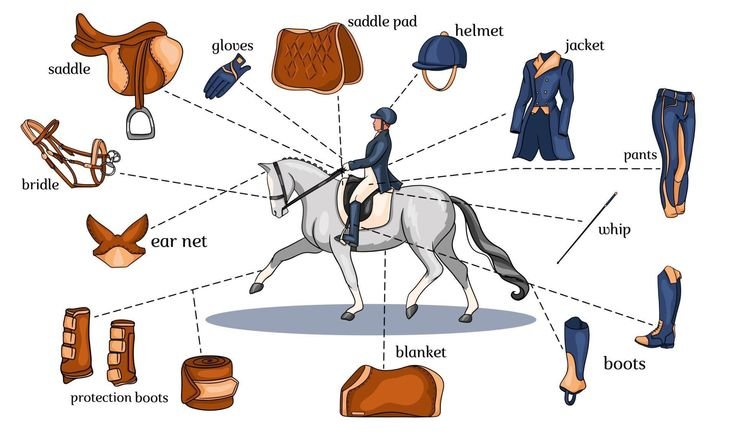
The equestrian world is famous for being expensive, but you can ride smart on a budget. The market for wholesale equestrian clothing helps keep prices down for basics, but specialized gear costs money.
- Certified Helmet: $80-$200
- Paddock Boots: $60-$150
- Basic Gloves: $15-$25
- Breeches/Tights: $40-$80
- Half Chaps: $40-$80
- Riding Shirt: $30-$60
The Bare Minimum Starter Kit ($155-$375):
- Certified Helmet: $80-$200
- Paddock Boots: $60-$150
- Basic Gloves: $15-$25
The Committed Rider Setup ($350+): Once you know you're sticking with it, add specific custom equestrian clothing or branded gear: - Breeches/Tights: $40-$80 - Half Chaps: $40-$80 - Moisture-wicking Riding Shirt: $30-$60
Start small. Prioritize safety items from trusted equestrian manufacturers first, then upgrade your wardrobe as your skills improve.
Leveling Up: From Individual Gear to Team Uniforms

As you settle into the equestrian world, your needs will evolve. You might join a pony club, a university riding team, or manage a stable yourself. Suddenly, buying one pair of breeches isn't enough—you need equestrian team clothing for 20 riders. This is where the difference between a retail shop and specialized equestrian manufacturers becomes clear.
If you are a team captain or a retailer scouting for quality, reliable equestrian supply can be a challenge. This is where RunEquestrian bridges the gap between equestrian factory direct and high-end performance.
Conclusion
Getting dressed for the barn doesn't have to be complicated. Start with the "Big Two"—a certified helmet and boots with a heel. These are non-negotiable for safety. As you fall in love with the sport, you can explore the wider world of equestrian supplies, moving into breeches and technical fabrics.
If you are looking for the best in the business for your personal kit or your team's needs, remember that OEM/ODM equestrian wear and custom equestrian apparel from experts like RunEquestrian can elevate your ride. Don't stress about the fashion show on day one. Be safe, be comfortable, and enjoy the ride!