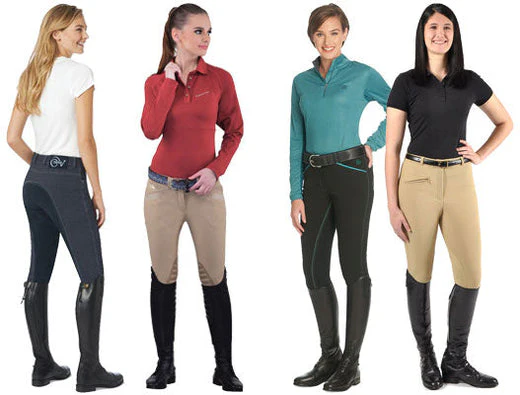
You're getting into horseback riding. Now you face a big choice: dressage or show jumping? These two sports are completely different universes. Dressage focuses on precise movements and working smoothly with your horse, while show jumping is about speed, bravery, and quick decisions.
Most beginners miss this point: picking the wrong one wastes thousands of dollars and months of your time. Whether you are a rider planning your training or a retailer sourcing from equestrian suppliers, understanding these differences is vital. This guide covers the key details, from training methods to the specific requirements for custom equestrian apparel tailored to each discipline.
After reading, you'll know which sport fits your goals and will understand why top equestrian outfit manufacturers design gear so differently for these two worlds.
Dressage Explained: Precision, Harmony, and Strict Standards

Dressage turns horse and rider into a team through steady, focused training. Picture ballet on horseback. Each movement gets judged on precision, harmony, and skill. This is where the artistry of high-end custom equestrian clothing truly shines, as the rider's appearance must be as flawless as the performance.
Core Characteristics and Rules
The sport follows strict rules. You ride set patterns called "tests" in a rectangular arena. Judges score each movement from 0 to 10. Your ride starts at marker A. You get 45 seconds to cross that point. Miss the 90-second window after the judge's signal? You're out. The visual impact is paramount, which is why specialized equestrian clothing manufacturers focus heavily on the fit and silhouette of dressage tails and breeches.
Technical Standards and Equipment Checks
Equipment matters here more than almost anywhere else. Choose spurs? They can't exceed 4 cm (1 9/16 inches) from boot to tip. You need smooth metal construction. Officials from the federation check everything. Ring stewards inspect at least one-third of riders in regular classes. In Championship events, every horse gets examined. Technical delegates check 50% of all bits and bridles at minimum. They look at fly hoods, nosebands, and curb chains.
This level of scrutiny explains why many professional teams turn to custom equestrian clothing solutions to ensure every piece of gear is not only compliant but also aesthetically perfect. For retailers, sourcing from experienced equestrian suppliers who understand these regulations is non-negotiable.
Show Jumping: Speed, Penalties, and Athleticism

Speed and precision define show jumping. You ride through a timed course filled with colorful jumps. Unlike the subjective scoring of dressage, jumping is objective: numbers tell the story. This dynamic sport drives demand for more technical, breathable gear from equestrian outfit manufacturers.
The Penalty System
Hit a pole or land your horse's foot in the water jump? That's 4 faults against you. Your horse refuses a jump the first time? Another 4 faults. A second refusal means quick elimination. Your competition ends right there. Falls carry the worst penalty. You or your horse goes down? You're out. No second chances.
Time adds another pressure layer. Cross the finish line late? You get 1 fault per second over the best time. Push too far past the time limit? You're eliminated again. This creates a market for custom equestrian apparel that is lightweight and aerodynamic, allowing riders to move freely and quickly.
Competition Formats
British Showjumping and similar bodies track success with points. You move from Novice (125-point ceiling) up to Grade A (2,000+ points). In elite competitions, you might see Two-phase contests where a clear Round 1 moves you to a timed Phase 2. One fault in Round 1 might stop the bell right there. Olympic formats split team and solo medals, where Round 1 crowns team champions and Round 2 picks solo winners.
For retailers looking at wholesale equestrian clothing, the show jumping demographic requires a broader range of styles, from conservative hunter classics to bold, colorful jumper jackets.
Need Custom Dressage or Jumping Apparel?
We manufacture premium competition wear for both disciplines with MOQ from 100 pieces.
Training Methods and Horse Selection
Modern technology reveals the deep divide between how these horses are trained and selected. Research using neural network models shows that training for dressage has far more complexity in terms of movement types, whereas jumping focuses on power and efficiency.
The Complexity Gap
Show jumping training tracks roughly 6 distinct activities: walk, trot, left canter, right canter, jump, and flying change. Sessions are structured: a 15-minute warm-up followed by practice jumps starting at 0.90 meters and pushing to 1.50 meters for top competitors.
Dressage is different. You work through 25 separate movements. Researchers note that models can distinguish collected, working, and extended paces with high accuracy. This requires riders to wear custom equestrian outfit options that allow for subtle seat aids—clothing that feels like a second skin.
Genetics and Breed Requirements
Your horse's genes decide your success. Dressage horses often carry markers on the ECA3 chromosome linked to withers height above 170 cm (66.9 inches). Taller horses create the long, high movements judges reward. Breeds like the Murgese or specific Warmblood lines fit this need.
Show jumping demands power. Draft genes on ECA11 appear at rates of 0.74–0.92 in some lines, providing bone and strength, though modern sport horses are refined for speed. The narrowing gene pool (average 1.01% inbreeding in Warmbloods) means finding the right horse is expensive. Consequently, riders who invest heavily in these horses also invest in high-end custom equestrian clothing to match the prestige of their mount.
Rider Skills and Learning Curve
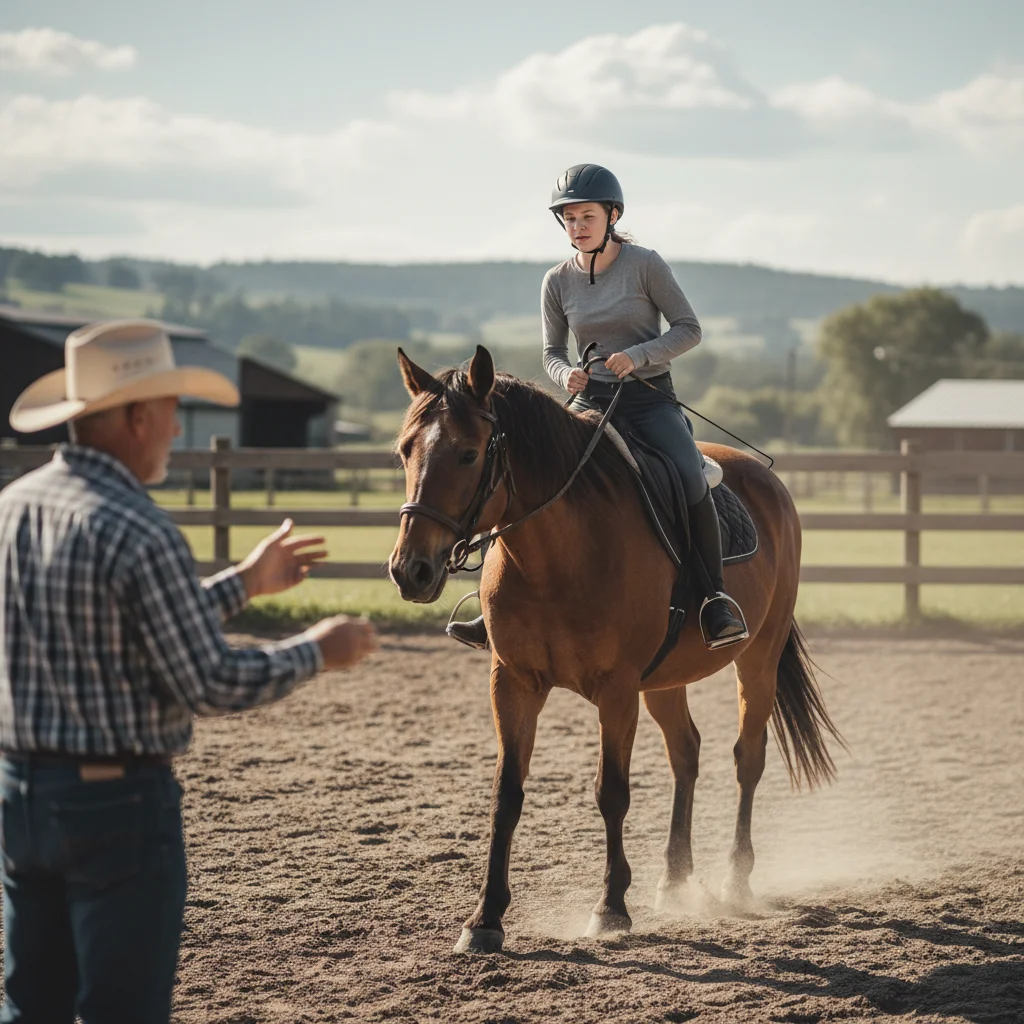
Both sports punish beginners, but in different ways. Research tracking 244 riders shows a harsh truth: 95% never advance beyond basic skills. This creates a massive market for entry-level gear from wholesale equestrian clothing distributors, as most riders remain in the hobbyist phase.
The Data on Skill Progression
Novice riders tend to stick 5.2 feet from the center line for safety, while advanced riders master positioning at 4.1 feet. That 1.1-foot difference takes years to build. In speed zones, novices push 37.6 mph, often lacking the control to slow down, while advanced riders maintain a controlled 35.0 mph average. This lack of control causes the "overconfidence trap," where perceived safety rises from 3.18 to 3.73 independent of actual skill.
Which is Harder?
It depends on your personality. Choose dressage if you have patience (basic mastery takes 2-3 years) and excel at repetitive, detail-oriented practice (25 distinct movements). Choose show jumping if you thrive on adrenaline and make fast decisions under pressure (courses run 55-90 seconds). Because of these distinct demographics, private label equestrian clothing brands often market differently: precision and elegance for dressage, bravery and technical performance for jumpers.
Looking for Wholesale Equestrian Clothing?
Run Equestrian offers competitive factory pricing for bulk orders. Contact us for a custom quote.
Equipment, Tack, and Investment
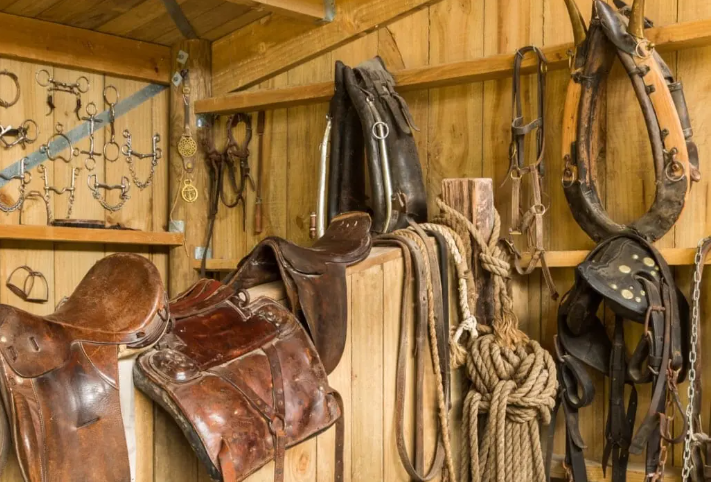
The rules regarding equipment are strictly enforced, and the costs can be eye-watering. This is where the relationship between the rider and their equestrian suppliers becomes critical.
Strict Dressage Guidelines
Dressage tack is conservative. Bridges must be leather; martingales and breastplates usually mean instant disqualification. Whips for warm-up max out at 120cm but are banned in the test. Spurs must be metal with smooth arms. Even the fly veils are regulated—they must be discreet and cannot attach to the noseband. This strictness drives the market for custom equestrian clothing and tack that looks traditional but uses modern materials for comfort.
Jumping Flexibility
Jumping allows more freedom. Breastplates, running martingales, and various boots are permitted. Bit rules are looser, allowing gags and hackamores (with shank limits of 24cm maximum). This variety offers a significant opportunity for equestrian clothing manufacturers and tack producers to innovate with protective gear and technical fabrics.
Cost Analysis
- Horse: $15K-$40K
- Vet bills: $5,000/year
- Boot replacement: Every 3 months
- Horse: $25K-$60K
- Lower injury risk
- Tack lasts: Years
Show jumping often starts cheaper regarding horse purchase ($15,000–$40,000 compared to $25,000–$60,000 for dressage), but operational costs add up. Jumpers face higher vet bills (averaging $5,000 per year due to impact injuries) and replace equipment more often. Jumping boots need replacement every three months, whereas dressage tack lasts years.
However, from a retailer's perspective, the turnover of goods in jumping is higher, making it a lucrative niche for wholesale equestrian clothing. Conversely, the high up-front cost of dressage gear supports a market for high-end custom equestrian clothing.
Conclusion: Choosing Your Path and Partner
Both dressage and show jumping offer unique rewards. Whether you are drawn to the balletic precision of dressage or the adrenaline-fueled challenges of the show jumping course, your choice will dictate not just your training, but your lifestyle and budget. Many successful riders even cross-train, finding that the flatwork of dressage prevents injury in jumpers, keeping them sound 23% longer.
Ultimately, your performance relies on more than just skill—it relies on the quality of your equipment. As you progress, the need for professional gear increases. This is why connecting with the right equestrian suppliers is essential.
For businesses in the industry, understanding these distinct disciplines allows for better product development. Whether you are looking to create a custom equestrian outfit line for elite dressage riders or source durable private label equestrian clothing for jumping schools, the opportunities are vast. The best discipline is the one you practice consistently, and the best gear comes from manufacturers who understand the unique demands of that discipline.