You stand in the tack shop, staring at racks of riding pants. Some stop at the ankle; others tuck into tall boots. Which one do you need?
Jodhpurs and breeches confuse most newcomers to the world of equestrian supplies. Even experienced riders mix up the terms sometimes. Here's the deal: Both are riding pants designed to keep you comfortable in the saddle, but they serve different purposes and pair with different boot styles. Pick the wrong one, and you might look underdressed or feel uncomfortable.
Whether you are a rider preparing for a first lesson, or a retailer sourcing from equestrian clothing manufacturers, understanding this difference is vital. It saves you from beginner mistakes and ensures you buy the right gear from the start.
What Are Jodhpurs? (Definition & Key Features)

Jodhpurs are ankle-length pants made specifically for horse riding. They fit closely from waist to ankle and are designed to be worn with short paddock boots. As any experienced equestrian supply expert knows, the design originated in India and was adapted by British polo players, bringing it into Western riding culture.
Traditional Design Elements
Classic jodhpurs feature a unique shape. They are flared at the hips and thighs to allow movement in the saddle, fitting tightly below the knee. The most recognizable feature is the stirrup strap—an elastic loop running under the boot to prevent the pant leg from riding up. Many styles also feature a snug cuff at the ankle that sits just above your paddock boot.
Modern Construction
Today's top equestrian manufacturers use stretch athletic fabrics throughout. Gone are the stiff cotton blends; modern materials offer breathability and support. You'll find reinforced panels on the inner knee or full seat, often made of leather, synthetic suede, or silicone. These create friction against the saddle, keeping you stable.
Who Wears Them?
Jodhpurs are the standard for young riders and children. The supportive fit helps developing riders maintain proper leg position. They are also popular for casual riding and schooling. Kentucky Jodhpurs are a specialized version for saddle-seat classes, featuring bell-bottom cuffs that cover the foot arch.
What Are Breeches? (Definition & Key Features)
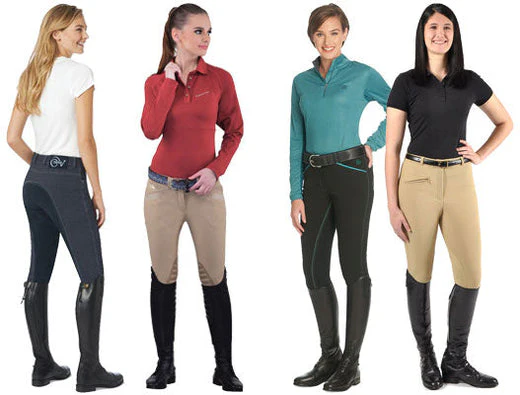
Breeches stop just below the knee—that's the quickest way to tell them apart. These close-fitting pants run from waist to mid-calf and must tuck into tall boots. While inquiring about custom equestrian apparel, you'll find that breeches are the go-to for competitive and formal riding.
Derived from cavalry traditions, breeches eliminated the bulk inside tall boots. The tight leg ends mid-calf, creating a clean line. This prevents fabric from bunching against your skin or causing awkward folds during a posting trot.
The Fit That Changed Everything
Modern breeches fit like athletic compression wear, hugging the body with vertical stretch. There is no inside seam to chafe your leg against the saddle. The waistband typically sits lower in front and higher in the back for coverage. Leading equestrian clothing manufacturers now use technical fabrics that wick moisture and repel wind, offering the support of traditional pants with the flex of modern sportswear.
Grip Makes the Difference
Reinforced panels set breeches apart in the market of equestrian supplies:
Knee-patch breeches feature grippy material (suede or silicone) on the inside of the knee. This stabilizes the lower leg while keeping the hip free—ideal for show jumpers and hunters.
Full-seat breeches extend the grip from the knee, up the inner thigh, and across the seat. Dressage riders prefer these for a deep, quiet seat during collected work.
Length and Boot Compatibility (Visual Difference)
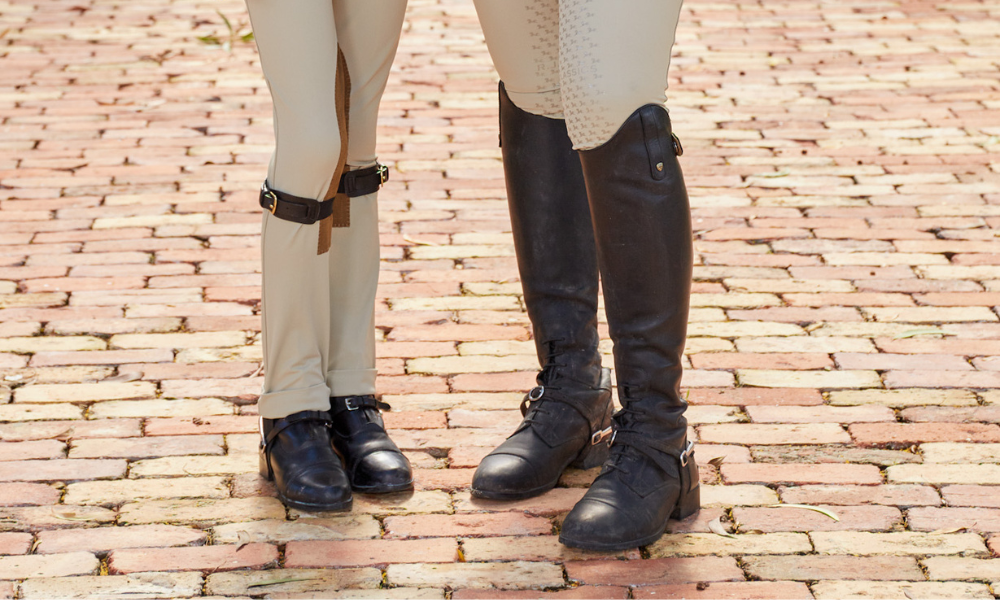
The visual difference is stark: Jodhpurs hit the ankle; breeches stop mid-calf. This isn't just style—it is a complete system built around boot height.
The Jodhpur-Paddock Boot System
Jodhpurs cover the ankle bone and work with paddock boots. The fabric sits on top of the boot, creating a clean vertical line. Short boots offer ankle flexibility, which is crucial for new riders learning to point their heels down. This system allows for natural movement and is a staple for those sourcing wholesale riding breeches for beginner programs.
The Breeches-Tall Boot Partnership
Breeches slide inside tall boots. The boot shaft surrounds the pant leg, and the elastic cuff keeps the fabric flat. This setup eliminates bunching and twisting. The tall boot provides structure and supports proper leg position, which is why custom horse riding boots are often paired with high-quality breeches for advanced riding.
Remember: You cannot wear jodhpurs with tall boots (too much fabric), and you cannot wear breeches with paddock boots (exposed calf). The system is binary. Choose your pants, and your boot choice follows.
Grip Systems and Saddle Contact

Friction decides control. Grippy panels connect your body to the saddle. Whether you are looking for custom equestrian clothing or standard gear, the grip type matters.
Jodhpur Grip Coverage
Most jodhpurs place grip material (suede or silicone) on the inner knee. This small patch gives young riders stability without restricting hip movement, which is essential when learning to post.
Breeches Grip Technology
Breeches offer more variety:
Knee-Patch Breeches
Tighter fit with patches running up the inner thigh. Critical for jumpers needing stability in a two-point position. Allows hip freedom over fences.
Full-Seat Breeches
Cover the entire contact zone from knee to seat. Dressage riders rely on this for a locked-in, deep position during collected work.
Modern equestrian manufacturers often use silicone patterns—dots, stripes, or logos—to create friction without the bulk of leather.
Formality Levels and Competition Requirements

Competition rules dictate your wardrobe. What works for practice might get you disqualified at a rated show.
Breeches are standard for formal English riding. Dressage shows need light-colored full-seat breeches, usually white or tan, to allow judges to see leg position. Hunter and jumper classes allow more variety, such as navy or grey, but you must wear breeches with tall boots at rated competitions.
Jodhpurs have their place in Children's classes and leadline divisions. Since kids outgrow gear quickly, it makes financial sense for parents—and is a key insight for retailers stocking equestrian supply inventories. Specialized disciplines like Saddle Seat require Kentucky jodhpurs.
For training or clinics, rules ease up. You might see a mix of jodhpurs, breeches, and riding tights. But always save the formal outfits for the show ring.
Choose Jodhpurs: Best Use Cases
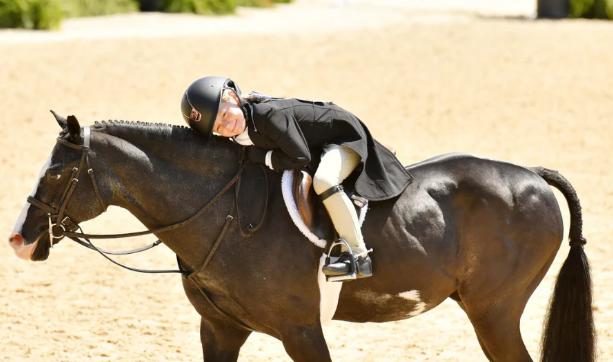
Jodhpurs act as your most cost-effective riding pant. You skip the strict need for specialized tall boots. This removes the "budget barrier" for new riders. Plus, they handle rapid growth spurts better than any other option.
Start Without Overspending
Newcomers often worry about the cost of gear. Jodhpurs give you a better price than technical breeches. Even better, you don't need expensive knee-high boots right away. You can use simple, affordable footwear instead. This makes the sport easy to access. Parents and beginners pick Jodhpurs to save money upfront without losing safety or comfort.
For Growing Riders and Daily Rides
Kids grow fast, and stiff gear doesn't help. Fitted breeches require exact calf sizing to fit inside a tight boot. Jodhpurs offer a more flexible fit. Young riders can wear them longer before needing a size up. Weekend trail riders love them too. You get great airflow and move freely. You avoid the tight feeling of a formal competition outfit.
Best Times to Wear Breeches
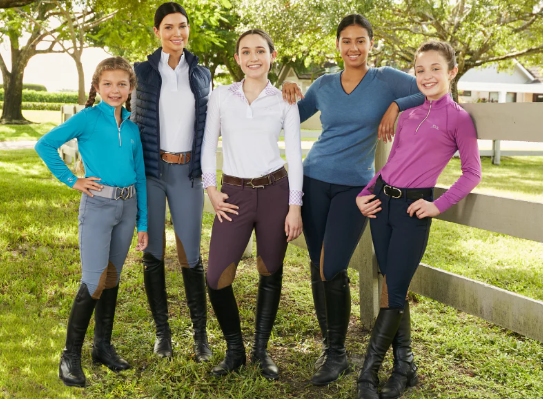
Precision riding calls for breeches. If you are entering competition rings or advanced training, you need them.
Dressage shows give you no choice—you need the stability of a full seat. Show jumpers and eventers wear knee-patch breeches to allow hip freedom over fences. As your skills improve, breeches offer better control; the snug fit stops fabric from moving against the saddle, allowing for precise communication with the horse. For professionals training multiple horses, durability is key, often leading them to seek premium custom equestrian apparel.
Pairing Breeches with Tall Boots
Breeches are designed solely for tall boots. Stretchy ankle bands ensure a smooth fit under the leather. This combo creates the polished, professional look that English riding demands. While casual riders might stick to jodhpurs, breeches signal that you take the sport—and your appearance—seriously.
Common Mistakes and Misconceptions
Don't make these costly errors when shopping for equestrian supplies.
RunEquestrian: Your Partner in Equestrian Manufacturing

RunEquestrian is a premier equestrian clothing manufacturer dedicated to riders and brands needing tailored solutions. Since 2009, our ISO-certified factory in China has been producing high-quality breeches and jodhpurs for wholesale buyers globally.
Custom Manufacturing That Fits Your Program
While most riders buy off the rack, barn programs and retail brands need differentiation. We specialize in custom equestrian clothing and private label services. As an experienced custom jodhpurs & riding breeches factory and apparel maker, we handle bulk orders with custom specs. You pick the grip pattern, the fabric weight, and the design.
We offer comprehensive OEM/ODM services. Whether you need custom equestrian clothing or specific breeches for a competition team, we build what you need. Need specific pocket placements or distinct styling for your brand? We support custom equestrian apparel development from concept to final product.
Our facility acts as a one-stop-shop for equestrian manufacturers looking to outsource. We produce wholesale jodhpurs and custom breeches for schools and boutiques. With RunEquestrian, you get flexible manufacturing where quality stays consistent, whether you order twenty pairs or two hundred.
Quick Decision Guide: Which One Fits Your Needs?
Your riding goals determine the answer. Use this matrix to decide:
What boots do you own? Paddock boots = Jodhpurs. Tall boots = Breeches.
Where will you ride? Casual/Trail = Jodhpurs save money. Rated Shows = Breeches meet codes.
Body changes? Growing child = Jodhpurs strike a balance. Stable adult size = Invest in breeches.
Conclusion
You now know the vital difference between jodhpurs and breeches. Jodhpurs work with paddock boots and are budget-friendly; breeches pair with tall boots for a sharp, competitive look. Neither is "better"—they simply perform different jobs in your equestrian riding pants collection.
Whether you are a rider building a wardrobe or a business looking for reliable equestrian supplies, making the right choice matters. Just starting out? Go with jodhpurs. Competing? Invest in breeches. And if you are looking to create your own line, remember that finding the right equestrian clothing manufacturers offering OEM/ODM services is your next best move. Pick what fits well, feels comfortable, and suits your goals.


