You booked your first riding lesson. Excitement hits. Then, a bit of panic follows—what should I wear?
It's 7 AM. You stand in your closet. Yoga pants won't work. Sneakers are unsafe. But spending hundreds on equestrian supplies before day one isn't necessary either.
The market offers everything from entry-level gear to high-end custom equestrian clothing. Maybe you are a beginner seeking safety. Maybe you are a retailer sourcing from equestrian clothing manufacturers. Either way, knowing the essentials matters. Some gear protects you. Never skip it. A fitted riding helmet tops that list. Save other items for later, once you know you love the sport.
I categorized what you need. This covers everything from head protection to comfortable grip. You can skip buying out the whole equestrian supply store. Focus on these key pieces for safety and comfort.
GEAR PRIORITY What to Buy First
Riding Helmets: Your Most Critical Investment

Safety comes first. Get a certified riding helmet. Check the label for these certifications—they mean the helmet passed rigorous impact testing:
Many equestrian manufacturers make helmets that balance cost with high-tech safety.
Fit beats brand. Put the helmet on. It must sit level, not tilted back. Shake your head. The helmet should move with you, not slide around. Adjust the chin strap so two fingers fit between the strap and your chin.
You might want custom horse riding helmets with colors or crystals later. For now, a standard model works well. Riding schools often lend helmets. But buying your own ensures a correct fit every time. A loose helmet is just a hat. A fitted one saves lives.
Riding Boots: Why The Heel Matters
Running shoes work for marathons. They fail in a stirrup. Regular sneakers create a trap. Smooth, flat soles slide through the stirrup iron. A slip combined with a spooked horse creates a dragging risk.
A 1 to 1.5-inch raised heel acts as a barrier. It catches on the stirrup edge and stops your foot from sliding through—preventing dangerous dragging situations.
Custom horse riding boots focus on this structure for safety, not just looks.
English riders should start with paddock boots. These reach the ankle and work for walking or riding. Add half chaps to stop stirrup leathers from pinching your legs. Western riders can use cowboy boots with smooth soles. Pick off-the-rack or custom horse riding boots, but always check for that heel.
Riding Pants: Comfort in the Saddle
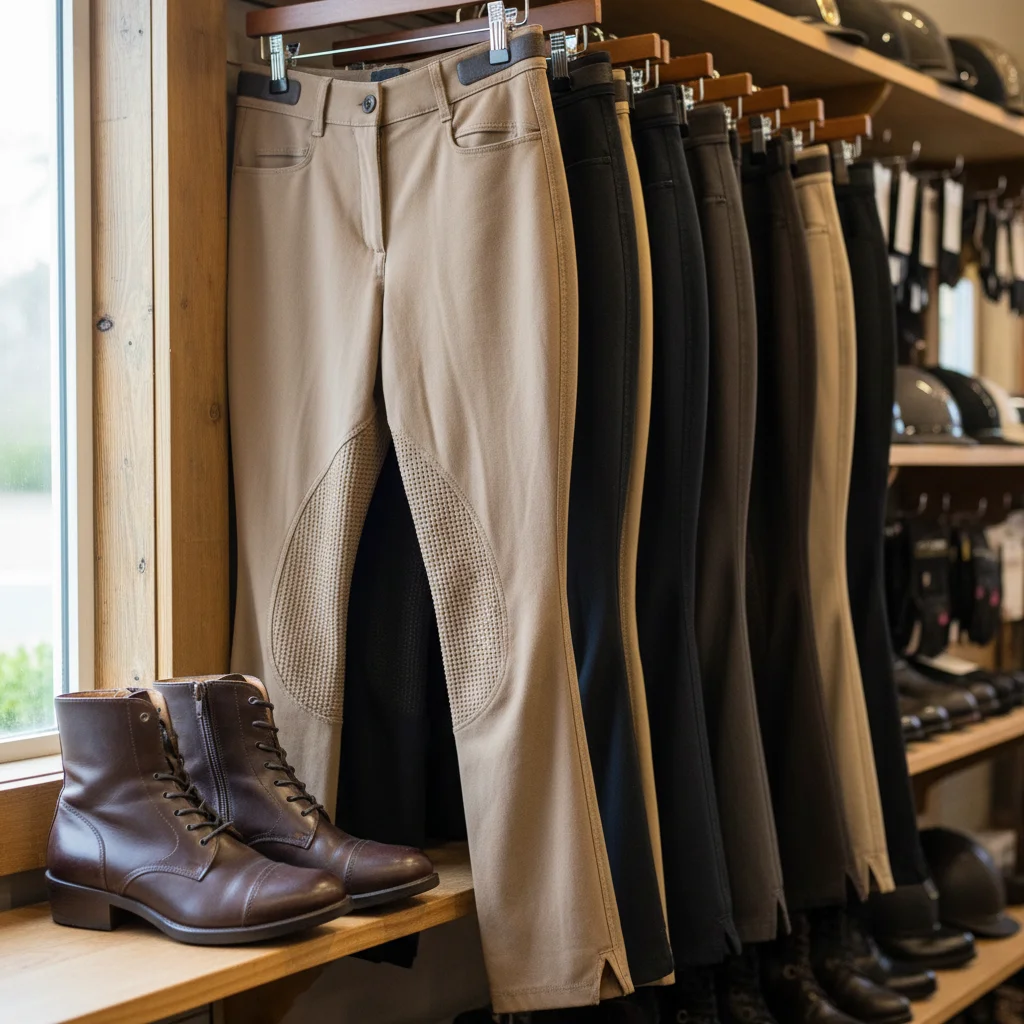
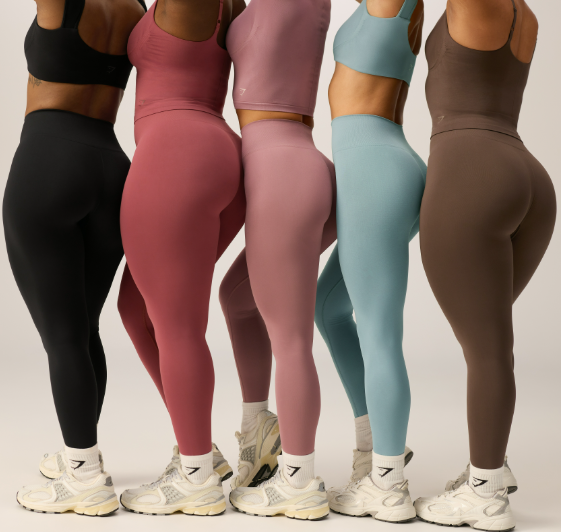
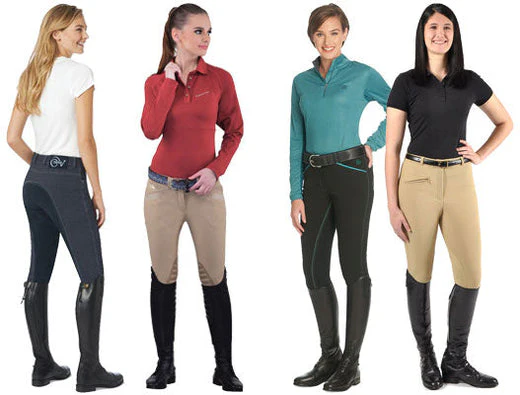
Jeans have thick seams. They rub raw spots on your legs. Yoga pants slip around. You need specialized gear. Equestrian clothing manufacturer lines create breeches and jodhpurs to stop friction.
- End above the ankle
- Wear with tall boots or half-chaps
- Sleeker, more fitted look
- Popular for English riding
- Run full length with cuff
- Wear with paddock boots
- More coverage and warmth
- Great for beginners
Both use "knee patches" or "full seats" with suede or silicone. This material helps you grip the saddle.
Pick breathable fabrics. custom equestrian apparel brands often use technical blends for stretch. Choose neutral colors like beige or black. They hide dirt well. A solid equestrian clothing factory reinforces stitching in high-stress spots. Your pants will last through many lessons.
Equestrian Safety Vests: Core Protection
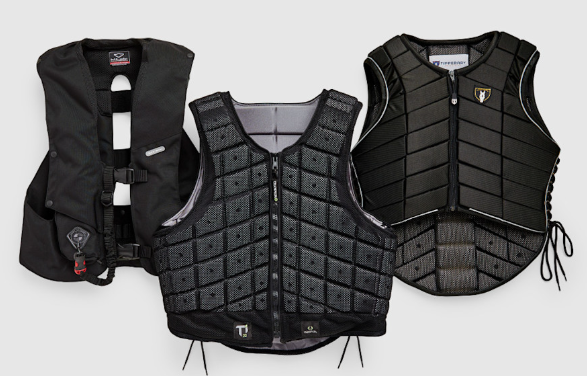
Body protectors, or safety vests, absorb shock during falls. Eventers and jumpers use them, but beginners on the flat benefit too.
It may not be mandatory for lesson one. But consider adding it to your kit later. custom equestrian outfit providers make vests that mold to your body with heat. Old vests felt bulky. Modern, articulated vests move with you.
Retailers looking for wholesale equestrian clothing often find starter kits with foam vests. Always check for safety certification labels, just like with helmets.
Outerwear and Jackets
Riding happens outdoors. You need layers. Big winter coats pose risks. They hide your posture from the instructor and catch on tack. Equestrian outfit manufacturers cut jackets shorter in the front. This prevents bunching in the saddle.
Find jackets with double back vents. The fabric spreads over the saddle back instead of you sitting on it. Custom equestrian clothing options often have hidden zippers for better movement.
Retailers should stock versatile outerwear. Wholesale equestrian clothing catalogs feature "3-in-1" jackets for multi-season use. Riders can peel off layers as they warm up.
Gloves: Grip Without Stiffness
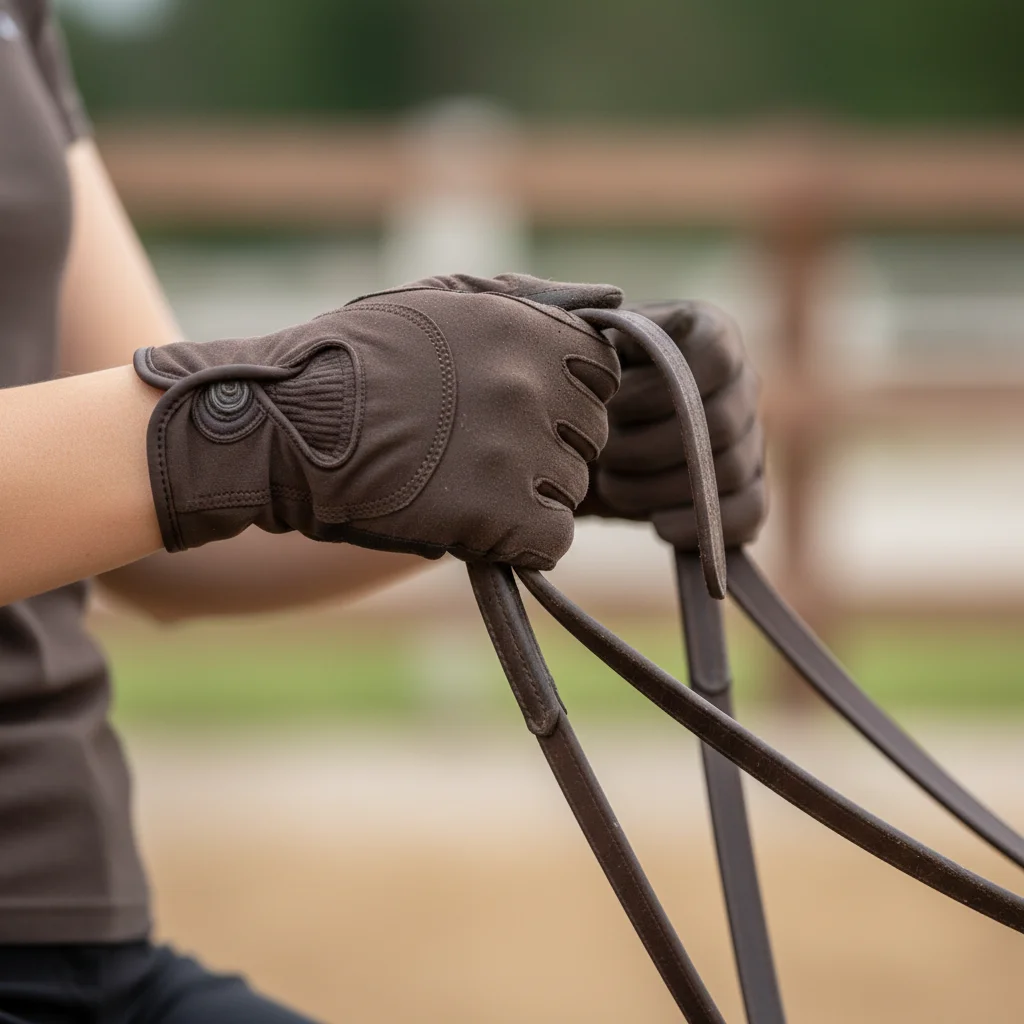
Reins tear up hands. Blisters happen fast. Sweaty palms lose grip. Gloves are small equestrian supplies that solve big problems.
Skip the expensive leather for now. Synthetic gloves with textured palms grip well. You can wash them in a machine. Equestrian manufacturers research materials to protect skin while keeping sensitivity high. You need to feel the horse's mouth.
private label equestrian clothing brands often have great starter gloves. Look for reinforcement between the ring and pinky fingers. The reins rest there.
💡 For Retailers & Brands: Source premium riding gloves directly from manufacturer. Explore wholesale options with custom branding available.
RunEquestrian: The Manufacturing Expert
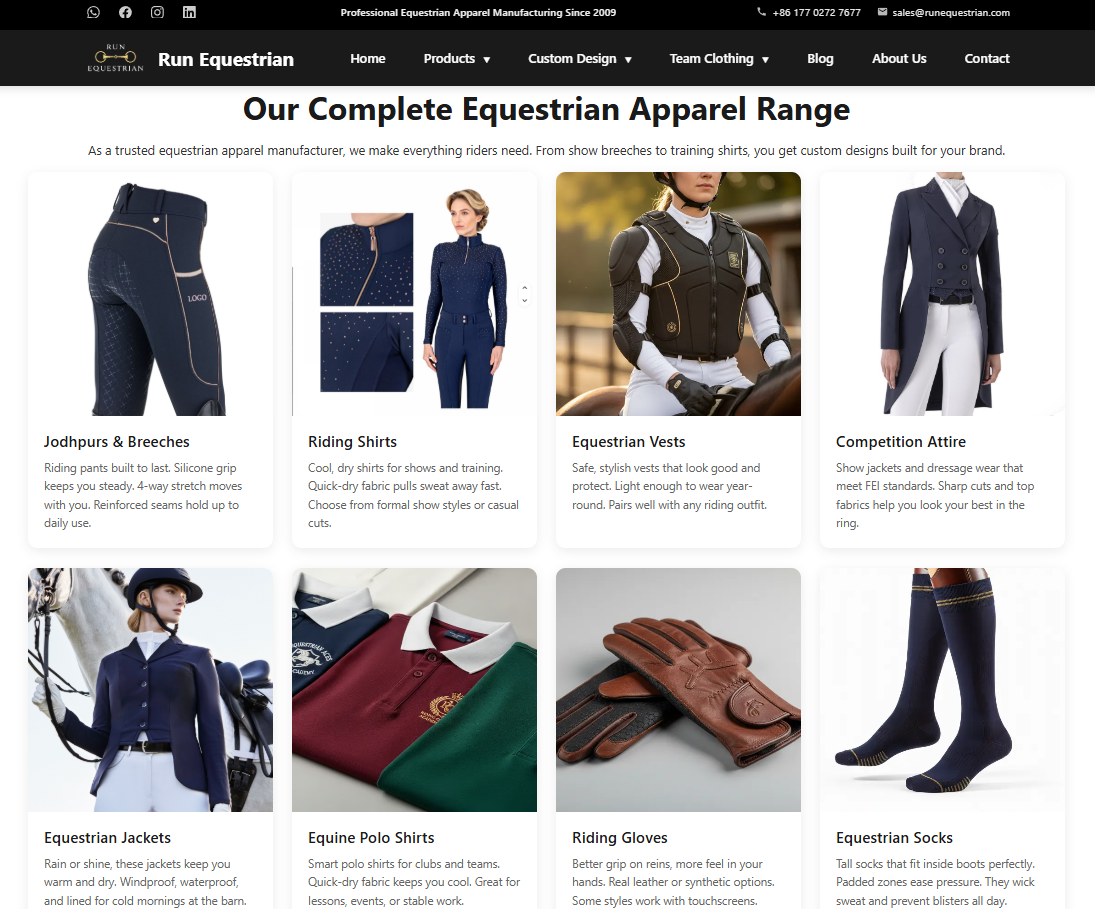
Know the source of your gear. RunEquestrian, a top equestrian clothing manufacturer, focuses on precision. Founder Michael Zhang rides often. He tests fabric samples himself.
They run a 5,000-square-meter equestrian clothing factory. Durability matters here. Their breeches take 20,000 abrasion cycles—that's four times the industry average.
RunEquestrian is an expert in OEM/ODM services. They handle the entire production process. Brands might need private label equestrian clothing or high-end custom equestrian clothing. RunEquestrian provides unmatched quality control. They test for stretch, color fade, and wear resistance on every order.
Experts like Chen and fabric specialist Wang support clients from small schools to big retailers. They stock over 50 technical fabrics, including eco-friendly choices. Businesses needing custom equestrian outfit solutions or custom equestrian apparel get rapid 7-day sampling and reliable delivery.
Conclusion
Build confidence in your riding journey. Don't stress over the long list of equestrian supplies. Start with the non-negotiables: a certified helmet and heeled boots.
Expand your wardrobe later. Add specialized breeches, gloves, or custom equestrian clothing as you improve. Borrow gear if possible. Upgrade over time. For businesses, partner with reliable equestrian clothing manufacturers. This ensures the gear you sell keeps riders safe.
Don't let gear stop you. Book the lesson. Grab your helmet. The horses await.