Every dedicated horse owner has faced this worry: Am I pushing my partner too hard? It is a delicate balance found in every discipline.
The reality is sobering—overworking a horse isn't just about one tough training session. It's a pattern that builds over time. This pattern can erode your horse's health, performance, and trust in you. Just as you rely on top equestrian clothing manufacturers to provide gear that withstands the elements, you must build a horse's fitness foundation that withstands the work. If the foundation cracks, the results can range from subtle performance plateaus to career-ending injuries.
Here's what makes this so critical: horses are stoic athletes. They often hide discomfort until problems become severe. That slight hesitation before a jump or decreased enthusiasm at feeding time aren't random quirks. They are your horse's SOS signals.
Whether you manage a competitive jumper or a weekend trail horse, knowing the difference between productive work and harmful stress is your responsibility. This guide breaks down the physical, behavioral, and metabolic red flags that reveal dangerous horse training schedules.
Physical and Behavioral Warning Signs

Your horse's body and mind communicate loudly during work if you know what to listen for. The symptoms often start physically and manifest behaviorally before a total breakdown occurs.
Excessive sweating is often your first visual cue. While sweating is normal, lather that soaks through saddle pads in minutes or foam dripping from the belly suggests your horse's fitness level cannot match the demand. Even the breathable fabrics found in custom equestrian clothing can't prevent a rider from overheating, and similarly, a horse's thermoregulation fails when pushed too far.
Pay close attention to breathing problems. A respiratory rate above 100 breaths per minute during work is dangerous territory. If identifying flared nostrils or harsh, raspy breathing sounds becomes common, you are likely overdoing it. Furthermore, check heart rate recovery diligently. After moderate work, heart rates should drop below 120 beats per minute within 10 minutes. If the heart rate stays high, stop work immediately and provide extended rest days.
Behaviorally, the signs are just as telling. Mood swings often precede physical lameness. A kind horse that suddenly pins ears during tacking or develops training resistance—refusing jumps they once cleared easily—is shouting for a break. Social withdrawal is another major red flag; tired horses often pull away from herd mates, standing in corners rather than grazing. This "horse depression" combined with sleep problems (where horses are too sore or stressed to lie down for REM sleep) creates a vicious cycle of fatigue.
Musculoskeletal and Joint Pain Signals

Joint pain doesn't always announce itself with dramatic lameness. It often shows up through small changes in how your horse carries weight or reacts to pressure.
Localized swelling around fetlocks, knees, or hocks indicates inflammation is building inside the joint capsule. Your horse's body is signaling that the recovery time between sessions isn't sufficient. You might also notice weight-shifting patterns at rest. Research shows that equine muscle soreness forces horses into compensatory postures; a horse that won't stand square for more than 30 seconds is managing pain you can't see yet.
Perform routine checks. Resistance to stretching during flexion tests is a reliable indicator. If a horse pulls away or trembles when you lift a leg, joint inflammation has likely set in. Similarly, check for temperature variations. If one leg runs hotter than the others, inflammation is active. Professional trainers verify this daily, as heat that won't go away signals an urgent need for longer rest days.
Finally, look for stiffness during turns. Does your horse struggle with tight circles or avoid rolling over in the pasture? Joint pain restricts range of motion long before obvious lameness in horses appears. This performance decline happens when training volume exceeds current equine fitness levels.
Metabolic Breakdown and Critical Exhaustion
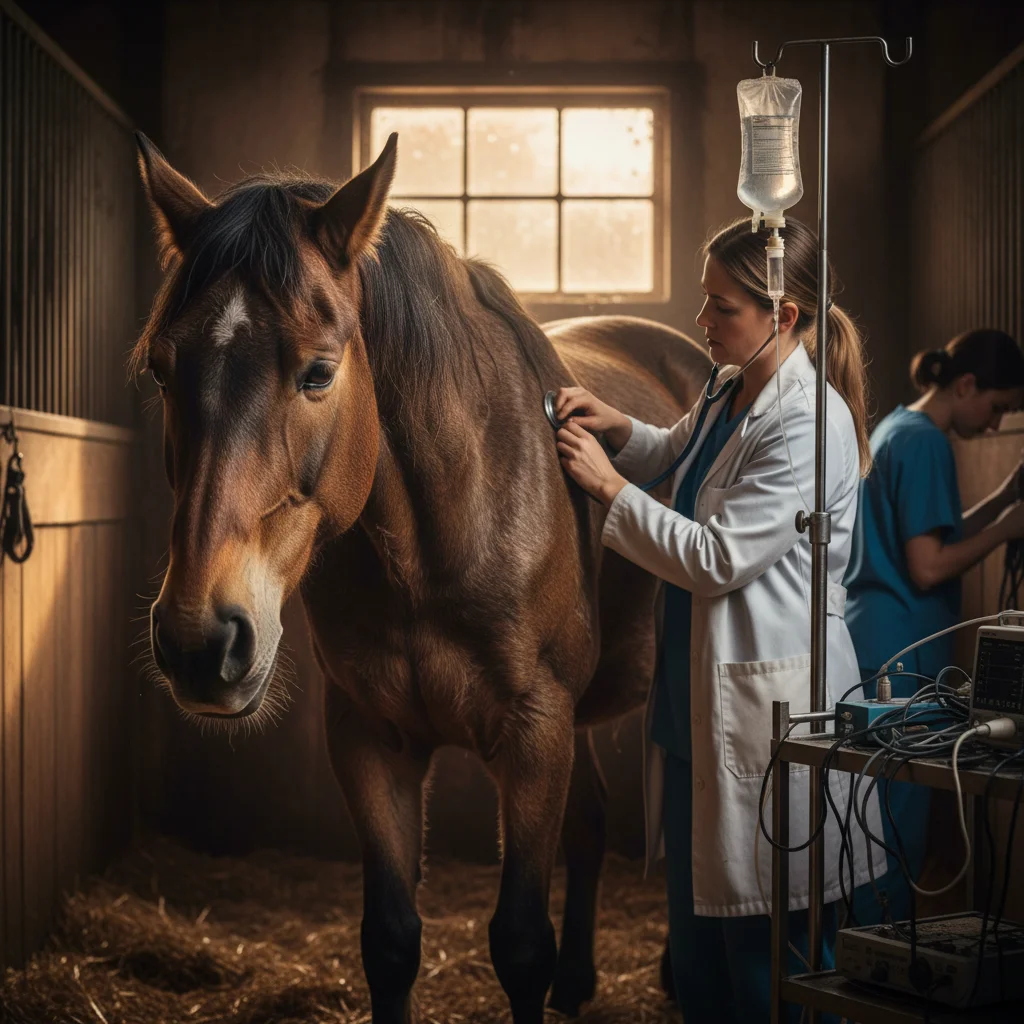
When external signs are ignored, the damage moves internally. Metabolic breakdown changes your horse's cellular function. The liver may stop processing fats correctly, leading to elevated enzymes like GGT and AST. Meanwhile, insulin resistance can occur as training stress overrides recovery, leaving glucose stuck in the blood rather than fueling muscles. This pre-diabetic state destroys horse fitness from the inside out.
This leads to Critical Exhaustion Syndrome. Unlike simple tiredness, this condition involves fatigue lasting more than six weeks. You might see a performance decline of 30-50% that rest doesn't immediately fix. A terrifying symptom is post-exercise collapse, or "post-exertional malaise," where a horse looks fine immediately after work but crashes 24-48 hours later, unable to lift their head or function normally.
Diagnosing this requires looking at the whole picture. Hormone failures often accompany this syndrome, with cortisol remaining chronically high and thyroid function dropping. A weak immune system is also common; if your horse catches every barn cold or takes weeks to heal small cuts, their system is overloaded. Diagnostic tools like the EROS scoring system or tracking muscle enzyme levels (like CK) can confirm if your horse is suffering from Chronic Overtraining Syndrome (OTS) rather than just a bad week.
Prevention Through Smart Management
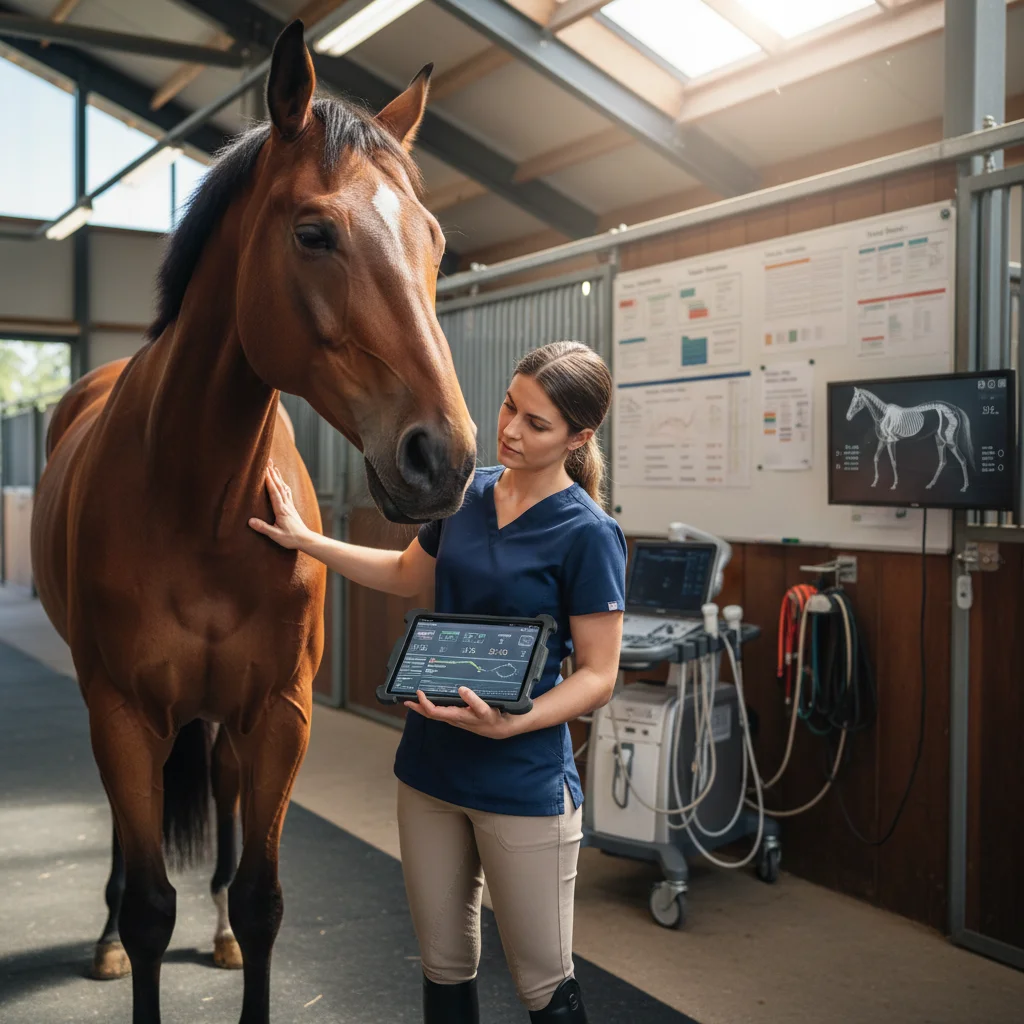
Building a sustainable training program isn't about working harder; it's about logic and data. For large training barns, managing the health of multiple horses is as complex as the logistics required for ordering wholesale equestrian clothing—it requires precision, foresight, and inventory of resources.
Progressive loading protocols are your best defense. Start every horse at 60% of their estimated capacity and add volume slowly. This gradual adaptation prevents over 80% of overuse injuries. Crucially, strictly enforce mandatory rest days. Fitness builds during rest, not work. Research shows horse recovery time for muscle normalization takes 5-7 days after hard efforts, so schedule accordingly.
Implement periodization strategies by structuring the year into phases: base conditioning, strength building, and active recovery. This prevents the metabolic breakdown associated with constant high-intensity work. Mix this with cross-training variety—alternating arena work with trails or hills—to reduce repetitive stress. Horses trained with variety show significantly fewer incidents of lameness in horses.
Finally, rely on professional assessment intervals. Schedule veterinary evaluations every 90 days. Equine health monitoring catches subclinical issues before they become career-ending. Remember, the horses that compete for decades aren't the ones trained hardest; they are the ones trained most wisely within their individual limits.
Conclusion
Your horse counts on you to know when hard work becomes harmful. Watch for the warning signs—behavior changes, physical symptoms, and recovery lags—that tell you something is wrong. Ignoring them won't make your horse tougher; it ruins their athletic ability and breaks the trust you've built.
Proper conditioning needs balance, not constant pressure. Set up structured horse rest days, check recovery signs every session, and adjust your training the moment something looks off. Whether you are outfitting yourself with premium gear from custom equestrian clothing specialists or planning a season of competition, quality always beats quantity.
Create a simple checklist based on these signs. Track what you see over weeks, not just days. Great horses are the result of smart training, understanding equine fitness levels, and respecting physical limits. That approach doesn't make you soft—it gives you the winning edge.