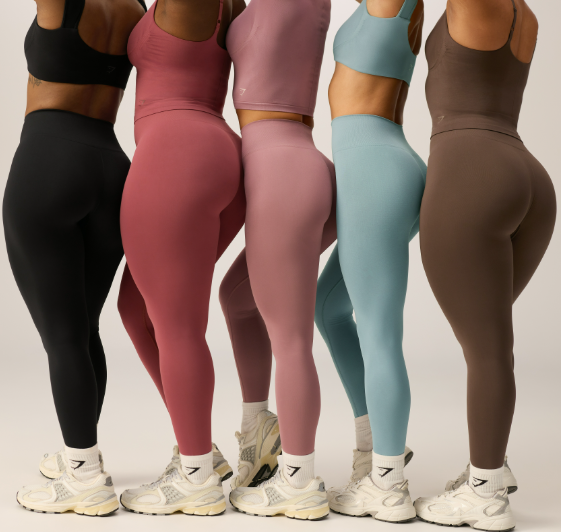
You're heading to the barn on a cold January morning. Your breath forms little clouds in the frosty air. Will you spend the next hour shivering in the saddle? Or sweating under too many layers?
Winter horseback riding doesn't mean choosing between freezing fingers and bulky jackets. Smart layering makes all the difference. When designed correctly by experienced equestrian outfit manufacturers, modern gear combines thermal riding breeches with moisture-wicking base layers, allowing you to move freely while staying warm.
Are you a seasoned rider looking to upgrade your cold-weather gear? Or a beginner facing your first winter riding season? The right outfit turns cold rides from endurance tests into fun experiences. Leading equestrian clothing manufacturers now use advanced textiles that regulate heat without adding weight.
Heated vests won't interfere with your reins. Insulated boots keep your toes warm without losing stirrup feel. You don't have to hang up your helmet just because the temperature drops. We're breaking down everything you need to stay comfortable this winter.
The Foundation: Base Layers and Mid-Layer Warmth
Staying warm in the saddle isn't about piling on sweaters until you can't move your arms. It's about a strategic system that many custom equestrian clothing designers have perfected over years of testing. Three specific layers work together like a personal climate control system.
The base layer sits against your skin and does one crucial job: it pulls moisture away. You'll sweat even in freezing temperatures while grooming your horse or trotting through the arena. Cotton soaks up that moisture and holds it there—making you cold and clammy. Skip cotton. Grab synthetic fabrics or merino wool instead. Merino fights bacteria and manages temperature well, a favorite material for any high-quality equestrian clothing manufacturer. Go for long-sleeved fitted tops and moisture-wicking riding tights under your breeches. These stay put all ride long.
Your base layer must sit snug without pinching. Loose fabric can't pull moisture away well. Look for seamless construction. No one wants chafing during a posting trot. Female riders need a proper supportive sports bra as part of this foundation layer. Temperatures drop below freezing? Add full long underwear under everything.
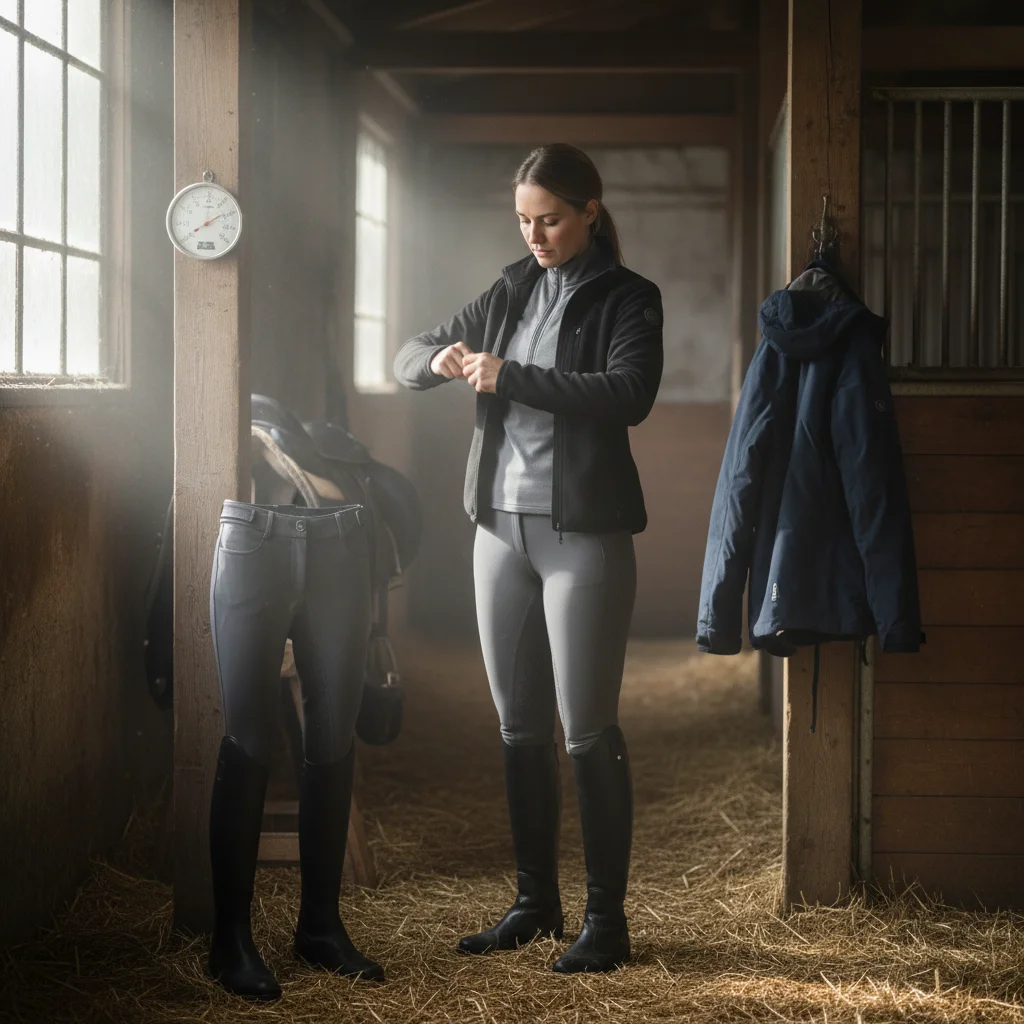
The mid-layer traps heat without making you feel stuffed. This piece sits between your moisture-wicking base and windproof shell. A fleece jacket handles moderate cold well. Modern fleece uses recycled polyester with great stretch—like the Vigor Plus Fleece that moves with every posting trot. Look for 4-way stretch fabric and articulated seams. Your arms need full range for reining and grooming.
For colder days, lightweight synthetic insulation has changed the game. Materials like PrimaLoft® and Thinsulate™ give you serious warmth without bulk, a standard now adopted by top equestrian clothing manufacturers. Heated riding vests fit this category well. Battery-powered warmth stays at your core while your arms remain free. Stack two thin layers in extreme cold—a merino wool quarter-zip under a fleece vest adapts better than one thick puffy.
Shielding the Elements: Waterproof and Windproof Outer Layers
Rain starts as a drizzle during your warm-up. Twenty minutes later, it's pounding sideways. Your waterproof riding jacket makes the call—finish your ride or head home. The best gear comes from a specialized equestrian clothing factory that understands the difference between hiking and riding needs.
Hydrostatic head ratings tell you how much water pressure fabric can take before it leaks. A 28,000mm rating holds back a column of water 28 meters tall—solid protection for winter storms. Most quality riding jackets start at 20,000mm. Look for three-layer laminate construction where the inner layer pulls moisture away from your base layers, keeping you dry from rain outside and sweat inside.
GORE-TEX technology delivers that promise riders count on. Its breathable membrane lets water vapor escape but blocks liquid water 100%. The material also stops wind cold. You'll pay more upfront, but the comfort payoff shows during long winter rides. Whether you are buying retail or sourcing wholesale equestrian clothing for a team, verify the ventilation features. Underarm vents with waterproof zippers help you control temperature without removing your windproof riding coat.
Pick jackets with adjustable cuffs, collars, and longer tails to shield your lower back from mud. Reflective logos on shoulders and back help with morning or evening rides, a safety detail that reputable equestrian outfit manufacturers always include.
Leg Protection: Winter Breeches and Pants
Cold thighs make posting a misery. Pile on too many layers, and you'll slip around the saddle. Thermal riding breeches solve this with built-in insulation that doesn't bulk up. The best ones use brushed fleece interiors—think soft pajama fabric against your skin. These give you light warmth with great stretch, often developed through careful OEM/ODM services to ensure the fabric withstands saddle friction.
For brutal cold, full fleece lining delivers serious heat. Pair that with silicone full seat grips running from your seat to your calves. You'll stick in the saddle even during collected canters. The grip technology matters as much as warmth. Silicone full seats give you stability through your entire leg, while knee patches work better if you need maximum freedom for jumpers.
Modern fabrics combine warmth with flexibility. Aubrion thermal tights and Pikeur Lugana pants use soft-shell technology to provide wind resistance. Thick softshell with fleece-lined riding tights underneath creates a two-layer defense. The outer shell blocks wind, rain, and snow, while the fleece interior traps body heat.
Layering compatibility makes or breaks winter riding comfort. Wear thermal leggings as your base, then add thermal riding breeches on top. Never put thick pants over your breeches—you'll lose all contact with the saddle. Real rider feedback shows that brands like Kerrits and Irideon set the standard, but any quality equestrian clothing manufacturer should focus on wind-resistance and grip longevity. Drytex winter riding pants are another option, fitting over regular tights with zipper legs for easy barn changes.
Footwork: Winter Riding Boots and Traction
Wet feet ruin everything. Insulated riding boots need two key features: keeping water out and gripping stirrups. DRYShield™ technology from brands like Ariat creates a full breathable barrier, keeping water out while letting sweat escape. Add 3M™ Thinsulate™ Insulation, and your feet stay warm without the bulk that kills ankle flexibility.
Mountain Horse takes a different route with membranes that keep you dry in models like the Snowy River. The Stella Polaris and Active Winter Rider passed brutal testing—1 million flexes at 14°F. These boots flex in the stirrup through extreme cold without cracking. Traction is equally vital. Smooth soles turn icy barn aisles into skating rinks. Duratread™ soles give rider-tested traction, while dirt-repellent tread zones help shed mud and snow as you move.
Extremities: Gloves, Head, and Neck Gear
Fingers, ears, and necks lose heat fastest. Winter riding gloves walk a tightrope between warmth and feel. Look for thinsulate insulation in the 100-200g range. This weight gives warmth without turning hands into mittens. Neoprene exteriors block wind, while Sealskinz All Weather Gloves bring waterproof membranes that work.
Touch-screen compatible fingertips are essential today. Heated riding gloves have changed everything for riders in extreme climates, with battery-powered elements running along fingers. For your head, winter riding helmet liners made of merino wool or synthetic fleece slip under your helmet without compromising safety fit. Cover your neck with gaiters or balaclavas made from moisture-wicking riding gear fabric. Avoid cotton here, or you'll end up with a wet, frozen mask on your face.
Smart and Safe Riding: Avoiding Common Mistakes
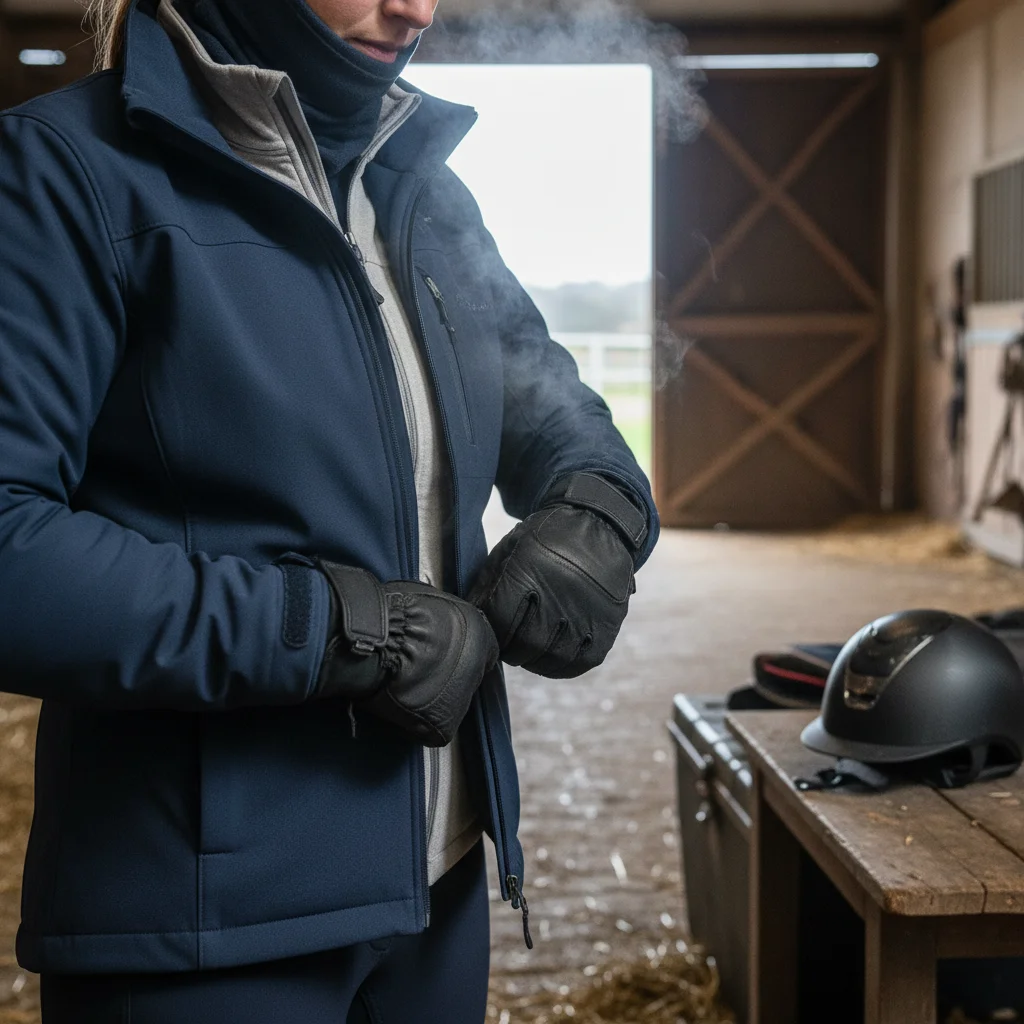
Most winter riding disasters start in your closet. The "Cotton Trap" is real—regular winter jackets betray you fast. Once wet, they pull heat from your body 25 times faster than dry fabric. Always choose gear with sealed seams and breathable membranes. Another mistake is skipping the foundation. No base layer means no temperature control.
- Absorbs moisture, stays wet
- Heat loss 25x faster when wet
- Zero wind or water protection
- Wicks moisture away from skin
- Sealed seams, breathable membranes
- Wind-resistant, insulated protection
Denim gives you zero winter protection. It's not waterproof or insulated. Winter demands thermal riding breeches with technical fabrics. Cold affects more than just comfort; it affects safety. Studies show you lose coordination once shivering starts. However, over-layering is also dangerous. If you can't move your shoulders or feel the reins, you lose control.
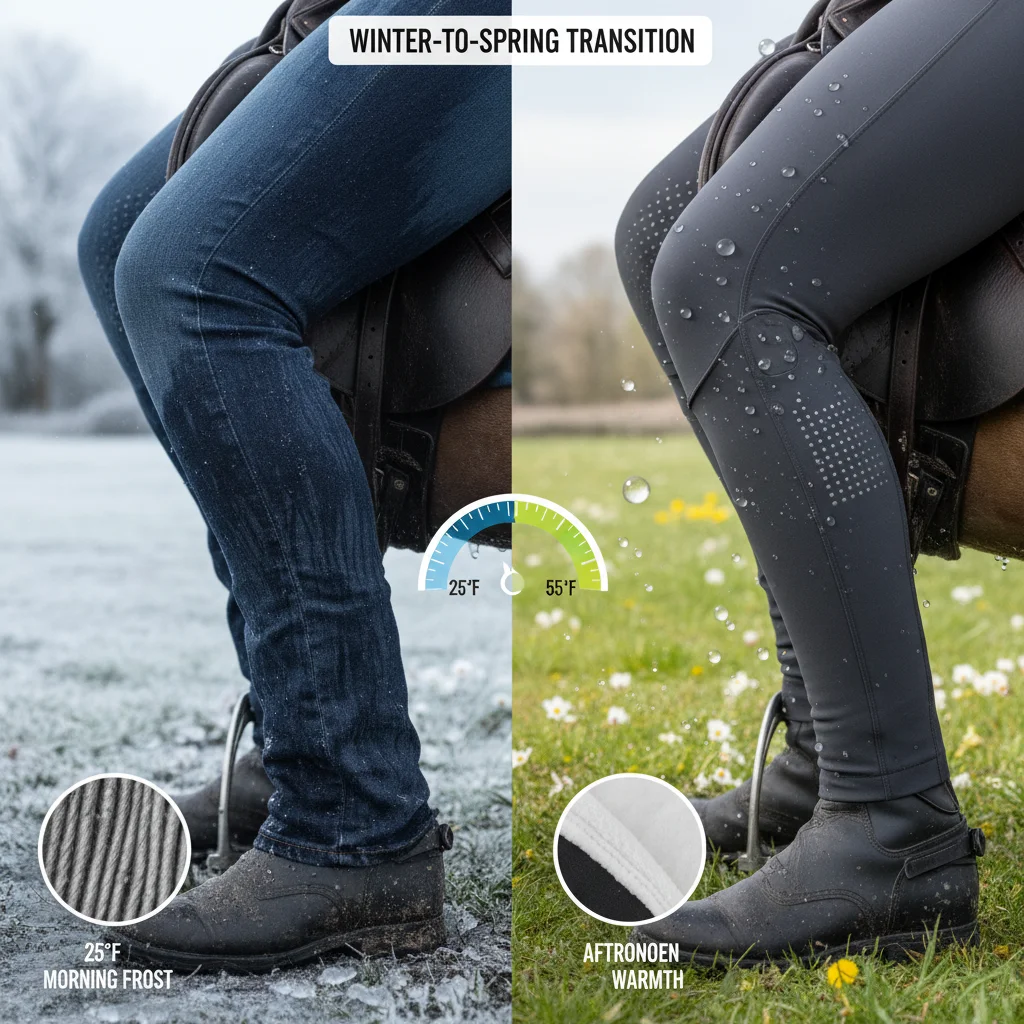
Seasonal Transition Tips: February brings tricky conditions. Start with layers you can remove. Pack a barn bag. Begin in full gear, strip down to your base layer for horse riding and vest as you warm up, then add your waterproof riding jacket back for the cool down. Swap heavy fleece-lined items for lighter thermal breeches as spring approaches.
RunEquestrian: The Manufacturing Expert
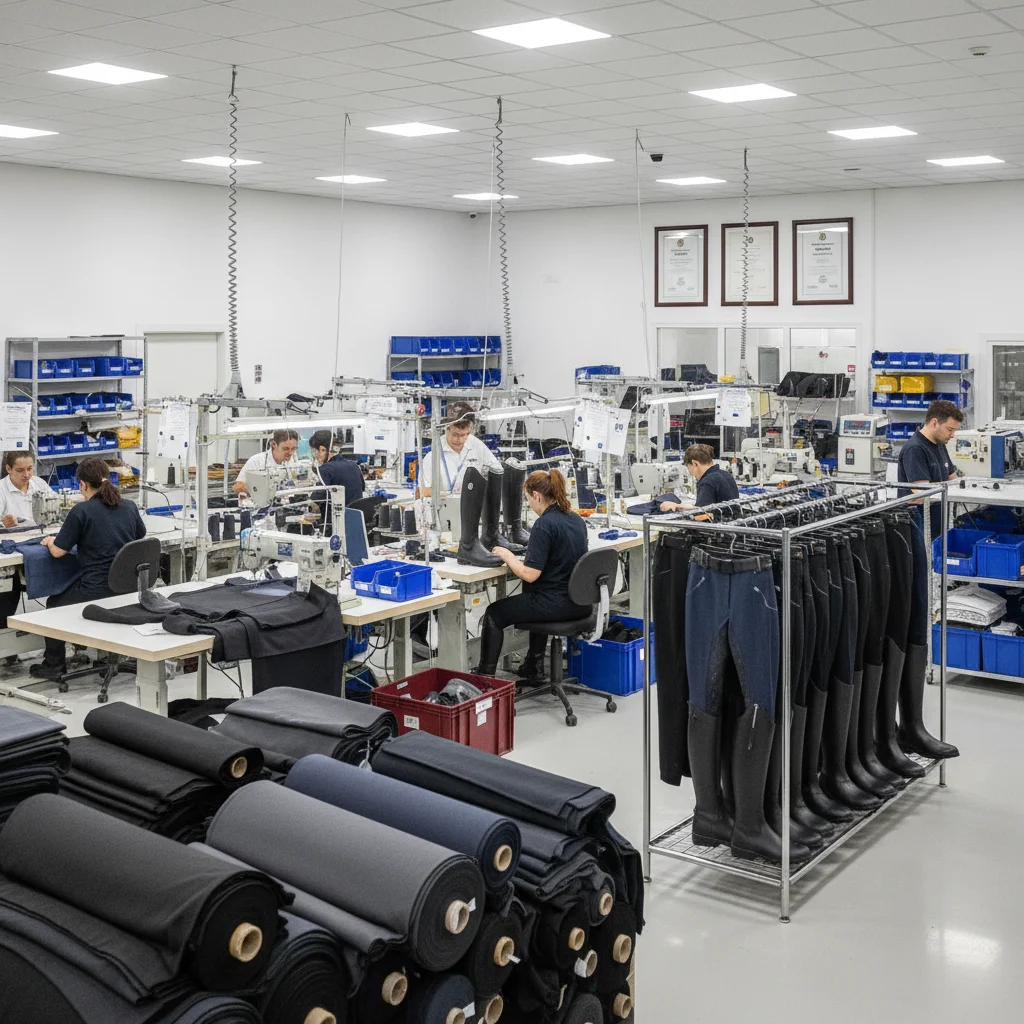
When it comes to sourcing high-performance gear, RunEquestrian stands out as a specialized equestrian clothing manufacturer built for real winter conditions. Their 5,000 sqm ISO-certified factory in China produces over 500,000 pieces annually, supplying 200+ global brands. They are not just a factory; they are a partner providing comprehensive OEM/ODM services.
Unlike generic textile producers, RunEquestrian focuses exclusively on custom equestrian clothing. Founder Michael Zhang rides weekly to test samples personally. His rule: "If we won't wear it in the saddle, we don't ship it." This commitment to quality makes them a top choice for brands looking for wholesale equestrian clothing. Their fabrics wick sweat 30% better than regular polyester, a critical feature for effective base layers for horse riding.
As a leading equestrian clothing factory, they track 500+ rider body measurements to drive their fit technology. Whether you need fleece-lined riding tights that stay smooth after ten washes or waterproof riding jackets with precision venting, their design team—including MIT-trained tech experts—delivers. Production runs are fast, with samples arriving in seven days and bulk orders in twenty. For startups or established brands seeking reliable equestrian clothing manufacturers, RunEquestrian offers low minimum orders starting at just 100 pieces, making professional-grade winter gear accessible.
FAQ: Winter Riding Essentials
How cold is too cold to ride? Most barns draw the line at 20°F. Below that, frigid air can irritate your horse's lungs, and frozen ground risks injury. If you are shivering, your reaction times drop, which is dangerous.
Can I wear regular winter pants? No. Snow pants slide against leather and bunch up. Thermal riding breeches allow you to stick to the saddle with silicone grips while blocking wind.
Do I need special gloves? Yes. Ski gloves are too thick for rein sensitivity. Winter riding gloves or heated riding gloves balance warmth with the ability to feel the horse's mouth.
What if I start sweating? You're overdressed. Use zippers and vents immediately. Remove layers as needed to keep your moisture-wicking riding apparel working effectively.
Conclusion
Winter doesn't have to mean hanging up your riding boots until spring. By utilizing moisture-wicking base layers, insulating mid-layers, and a sturdy waterproof riding jacket, you can stay safe and comfortable. The key is choosing gear created by dedicated equestrian outfit manufacturers who understand the biomechanics of riding.
Successful winter riding isn't about wearing the most clothes; it's about wearing the right clothes. Whether you are a rider looking for the best retail options or a brand looking to develop a line via custom equestrian clothing solutions, prioritize technical fabrics and proven durability. Get these essentials right, and you'll look forward to those crisp morning rides instead of dreading them.
Ready to build your winter riding wardrobe? Start with the essentials—a solid base layer and quality gloves. Top equestrian clothing manufacturers continue to innovate, ensuring that your winter riding adventures are warm, safe, and enjoyable.