You fall off your horse mid-jump. You drop toward the ground at fifteen miles per hour. A split second before you hit, an invisible shield covers your torso. Equestrian air vests promise this protection. But how does fabric identify a fall? How does it become armor instantly?
The airbag opens in 0.1 seconds. It uses smart engineering: a tether, a CO2 canister, and basic physics. Maybe you might spend $600 on safety. Or maybe you already wear one but don't know the mechanics. The market for equestrian supplies keeps changing. So, know your gear. A lanyard pulls tight safely. Pressurized gas spreads impact force across your ribs and spine.
The Core Mechanism: How Air Vests Protect You

Think of this vest as an on-demand airbag. The concept is simple but effective: a tether connects your vest to the saddle. If you are thrown off, the lanyard pulls tight, puncturing a CO2 canister. Leading equestrian clothing manufacturers engineer this sequence to happen in 100 to 250 milliseconds—faster than you can hit the ground.
While foam protectors stop sharp impacts (like tree branches), air vests prevent crush injuries. This distinction drives the design at any modern equestrian factory. The inflated chambers distribute the shock of a hard landing across your entire torso rather than letting it focus on a single rib or vertebrae.
Key Protection Areas & Effectiveness
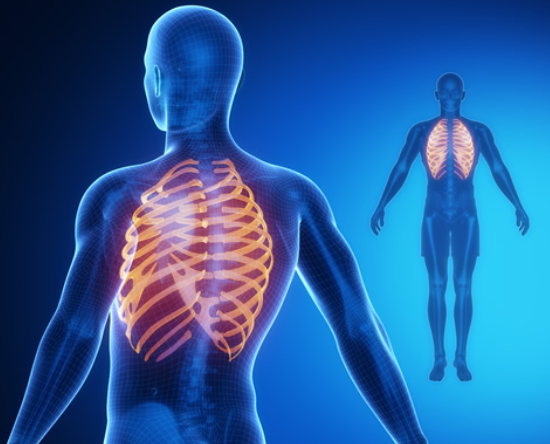
Top horse riding air vest manufacturers focus coverage on the most vulnerable zones: the neck (to prevent whiplash), the spine, and the ribcage. Research backs this approach.
Whether you choose a standard model or a custom riding vest, the goal is the same: reduce chest compression. Equestrian vest manufacturers note that this significantly lowers the risk of internal organ damage, though effectiveness relies on the tether pulling—meaning you must separate from the saddle for it to work.
The Key Components That Make Air Vests Work

1. The Air Chambers
Placement matters. Chambers cover your jaw and neck first. Point Two vests inflate in 60 to 80 milliseconds. Some specialized custom horse riding vest models work even faster. The air limits the impact between you and the ground.
2. The CO2 Canister
Most brands take standard motocross canisters. Good equestrian supplies shops stock them. Each canister works once. One fall empties it. Replacement costs run $30 to $60.
3. The Trigger Mechanism
A piston sits inside the trigger. The lanyard pulls a key-ball out. The piston hits the canister. Horse riding air vest manufacturers test this heavily. It stops false triggers when you mount or dismount.
4. The Lanyard and Saddle Strap
Clip one end to your saddle strap. The other holds the trigger key. Riders must connect this properly. Equestrian clothing manufacturers supply the right clips. Test it. Stand by your horse. The cord should feel slightly tight.
Step-by-Step: From Fall to Inflation
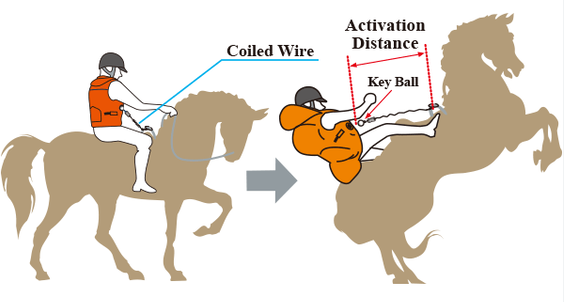
The system waits for separation. This happens fast.
First is the Separation Trigger. You need 30 to 35 kilograms of pull force on the key ball.
Next is the CO2 Release. Guardian deploys in under 0.08 seconds. Most equestrian vest manufacturers match this speed. You are falling. The vest inflates.
Impact Absorption delivers five times lower acceleration forces than standard falls. Advanced custom equestrian clothing uses safety air pockets to do this.
Finally, Controlled Deflation requires a release valve. The tight squeeze fades in seconds.
Need Custom Safety Equipment?
Get professional air vest solutions tailored for your riding team. We specialize in bulk orders with custom branding and sizing.
Contact Us for Bulk OrdersWhy Air Cushioning Beats Foam Protection
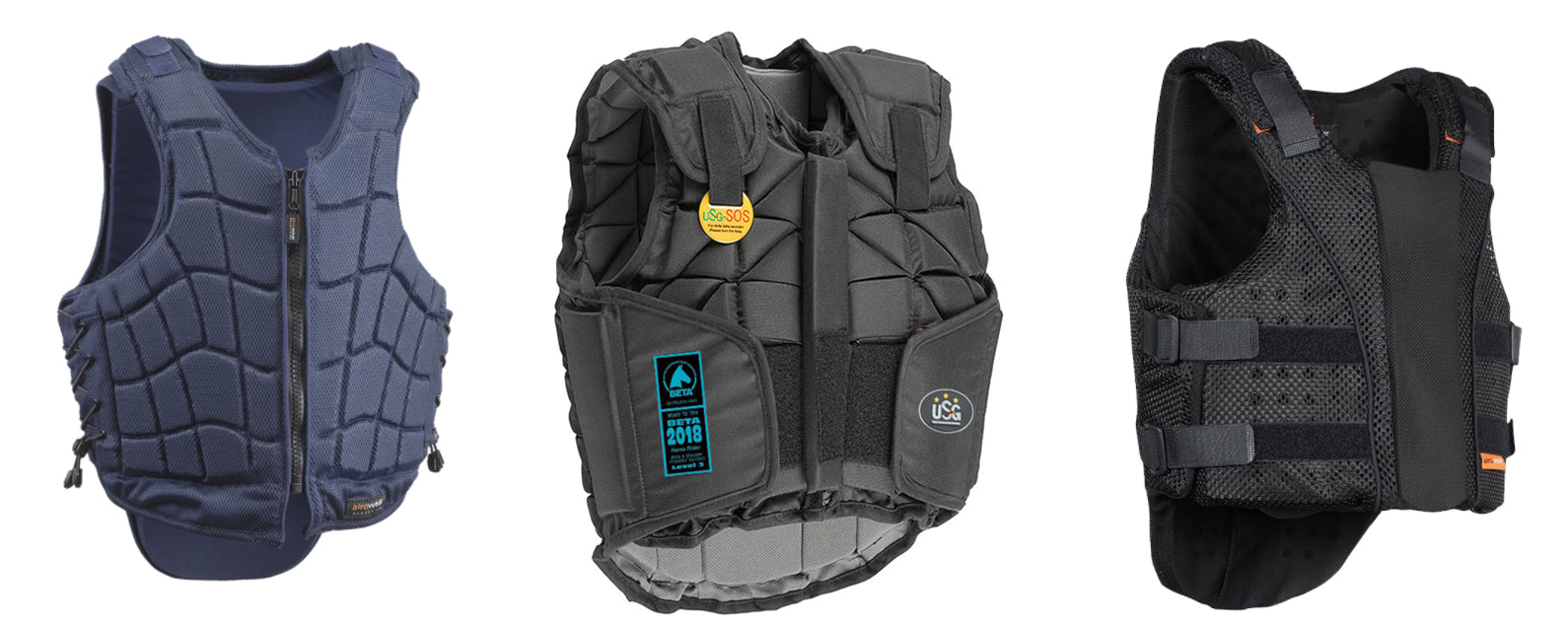
The numbers matter. Drop a dummy from horse height in foam gear versus air systems. Expert equestrian vest manufacturers have quantified the dramatic difference.
At a six-foot drop, air cushioning cuts impact by over 80%. Riders want custom equestrian apparel with this air tech for superior protection with less weight.
Air Vests Don't Deploy?Why Fit Matters
Air vests rely on mechanics, and mechanics require proper setup. Standard horse riding air vest manufacturers face physical limits if a rider is too light, as triggers typically need 150 to 593 newtons of force. This is where RunEquestrian stands apart. We actively communicate with every client to ensure gear is matched perfectly to your body metrics. While generic equestrian factory teams set strict minimums, our personalized approach ensures you never ride with equipment that your weight cannot trigger.
Regarding the rare instances of late inflation (often during complex falls with the horse), proper maintenance is your best defense. We don't just ship boxes; we support your safety journey. RunEquestrian backs its products with dedicated support to guide you through essential checks. Reliable equestrian supplies and servicing every four falls keep your system reaction-ready, minimizing risks that others might face.
Choosing the Right Air Vest Type
Pick a vest based on your discipline. Need a specific fit? Try a custom riding vest.
Eventing and cross-country: Big impacts happen. Rigid shells handle brush and timber. Equestrian clothing manufacturers add foam for double protection.
Show jumping: You need cushion without bulk. Air chambers spread the impact. Foam stops fence rail injuries.
Dressage: Keep a slim profile. Stay close to the saddle. Custom equestrian clothing offers bias-cut panels for better movement.
Source Premium Air Vests Direct
Partner with a trusted manufacturer for high-quality air vests. MOQ 100 pieces, custom specifications available.
View Product CatalogCertification Standards
NF S72-800:2022 checks surface area, speed, and impact handling. Quality equestrian vest manufacturers show this mark. Level 3 (blue tag) foam protection is often required underneath during competition.
Conclusion
Horse riding air vests are life-saving systems, not just pricey gear. Casual riders and teams sourcing from equestrian clothing manufacturers must choose wisely. The vest works only if you wear it.
Equipping a stable? Work with a custom riding vest designer or equestrian factory for the right fit. Assess your discipline first. Budget for the vest and replacement CO2 canisters from your local equestrian supplies. Your future self will thank you. That is the person walking away from the fall.