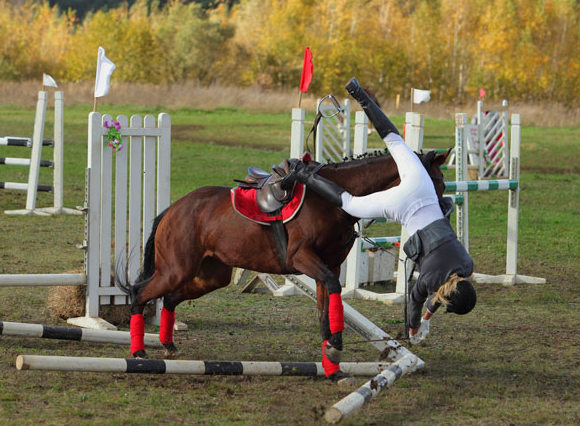
You're twenty minutes into what should be a thrilling trail ride. But your thighs burn. Your lower back aches. You grip the reins so tight your knuckles turn white.
Sound familiar? Horseback riding takes more physical strength than most people expect. It's a full-body workout where your core stability gets tested, and your mind stays focused. While investing in high-end custom equestrian clothing can significantly improve your comfort and range of motion, the fabric can't do the muscle work for you. You are building strength, flexibility, and balance to turn yourself from someone who just sits on a horse into a confident partner.
Whether you are a casual rider or sourcing gear from top equestrian suppliers for a professional team, the physical foundation remains the same. Specific fitness training and smart prep work help you build core strength. Every ride becomes safer and more rewarding when your body is as prepared as your custom equestrian outfit.
Why Physical Preparation Matters
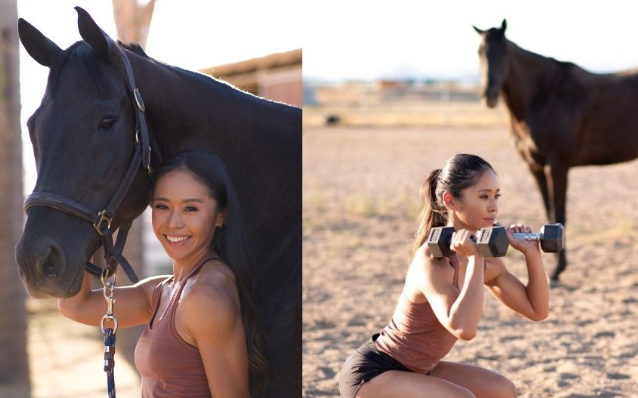
Horseback riding pushes your body harder than you might think. Research shows your heart rate can spike to 194 beats per minute during a typical ride. That's comparable to what basketball players hit during competition. This isn't a gentle trot; it is a serious athletic effort that demands high-performance focus, much like the precision found in a professional equestrian clothing factory.
Your muscles work non-stop to keep you stable. Riders on cross-country courses use 40-47% of their maximum back muscle power. Picture holding a plank position while someone else controls your movements. Your core never rests; it adjusts for every shift the horse makes. The fitness gap between prepared and unprepared riders is stark. Elite riders have 21.5% greater back strength than amateur riders. After an 18-minute ride, elite riders' heart rates recover quickly, while amateurs struggle.
Ultimately, an eight-week core training program improved rider balance and cut uneven weight distribution on horses by 30%. When you combine this physical stability with professional gear from equestrian outfit manufacturers, your horse feels the difference. You communicate better, and you stop fighting against the animal's natural rhythm.
Key Muscle Groups and Biomechanics
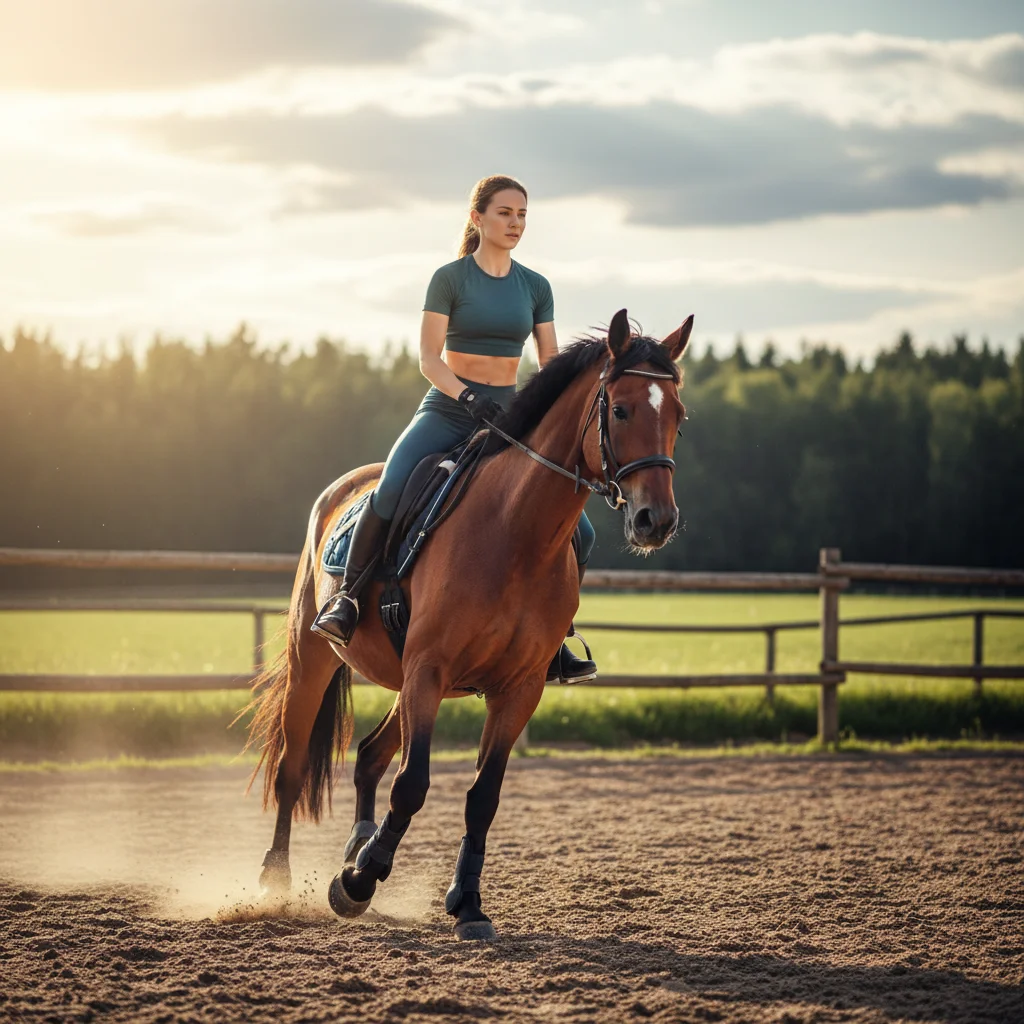
Riding works muscle groups most people overlook until they feel the soreness the next morning. Understanding these muscles helps you train effectively, ensuring you get the most out of your custom equestrian clothing.
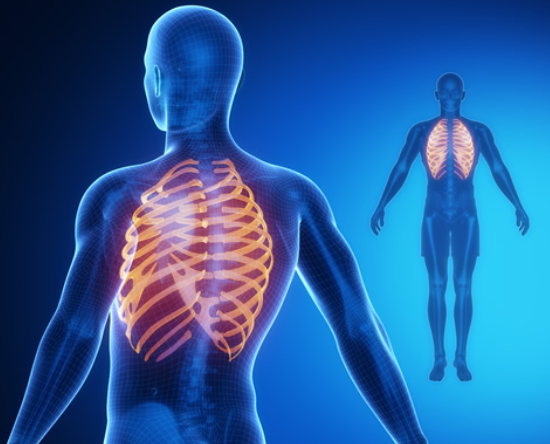
Your upper body foundation relies on scapular stabilizers effectively locking your shoulder blades in place. Without strong shoulder stability, your posture falls apart, and you lose control. Simultaneously, your erector spinae and quadratus lumborum act as cables along your spine, handling stabilization. If your horse jolts, these muscles snap you back to proper posture. Even your chest muscles play a role; tight pectorals from office work can pull you forward, countering the design of well-fitted riding jackets from equestrian clothing manufacturers.
The core connects everything. Your abdominals—including the obliques and transversus abdominis—create stability, not stiffness. Skilled riders activate their abs the moment they hit the saddle, allowing their hips to move with the horse. This control means better shock absorption and zero back pain.
Finally, your lower body generates the power. Your hip adductors are the strongest muscles used, gripping and stabilizing. However, overuse leads to asymmetry. You must balance them with hip abductors to keep your legs aligned. Research shows that consistent riding can lead to more than double the dynamic tone gains in hips and thighs. Advanced riders use opposite-side muscle activation to save energy, a technique that pairs perfectly with the flexibility offered by a high-quality custom equestrian outfit.
Essential Pre-Ride Warm-Up Routine
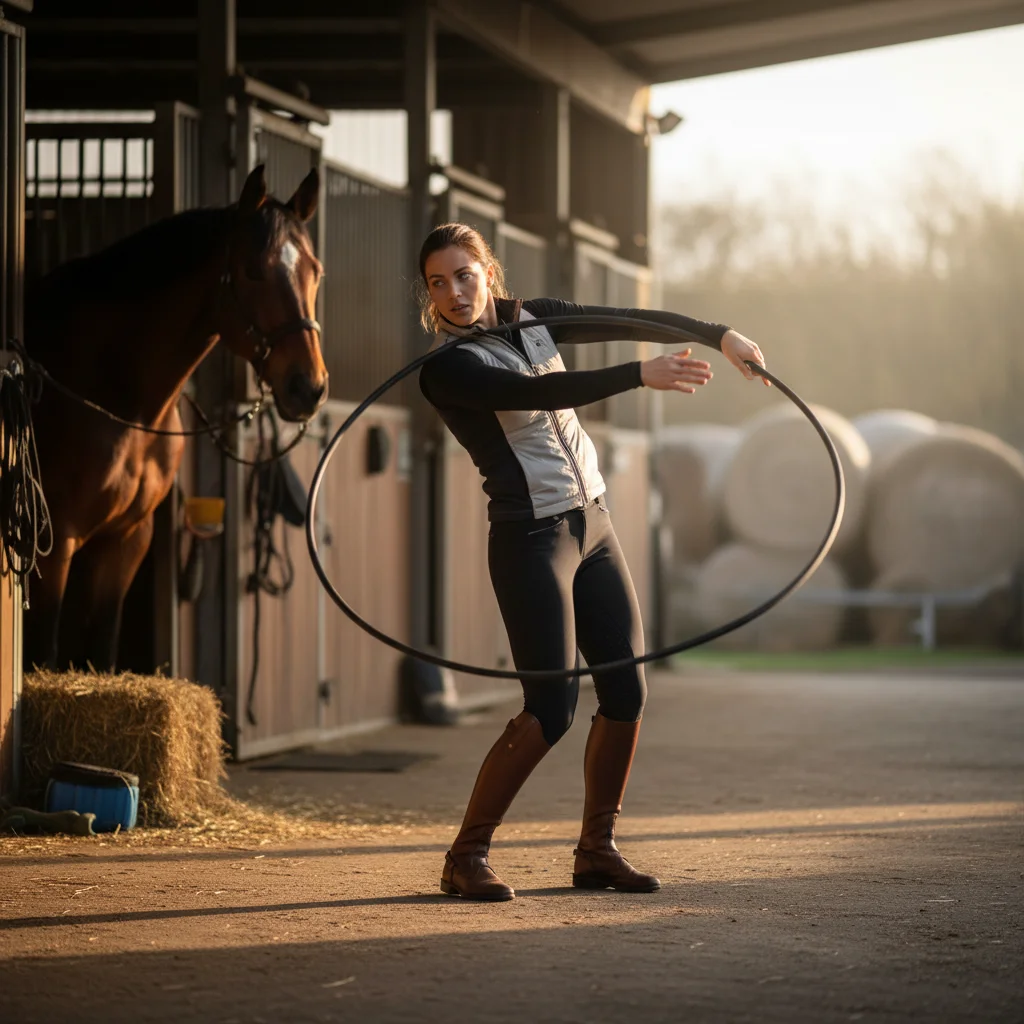
Cold muscles don't respond well to riding demands. Just as equestrian suppliers advise breaking in new tack carefully, you must warm up your body to transform it from stiff to alert. A proper 5-10 minute routine acts as a safety check for your neuromuscular system.
Start by getting your blood moving. Two minutes of cardio—jumping jacks, high knees, or skipping rope—pushes your heart rate toward 140 bpm, sending oxygen-rich blood to your muscles. Remember, warm muscles perform better and resist injury.
Move immediately into dynamic stretches. Try Pike to Squats to work hamstrings and glutes, followed by Pike Rotations to activate your obliques. Squat Thoracic Rotations are excellent for opening the chest and loosening the upper spine, correcting the "desk posture" that many of us struggle with. Finish with Butterfly Slides to release hip tension. Before you mount, do a quick body scan in a table pose (hands and knees). Check for tightness or asymmetry. This awareness prevents you from carrying imbalances into the saddle.
Comprehensive Strength and Flexibility Training
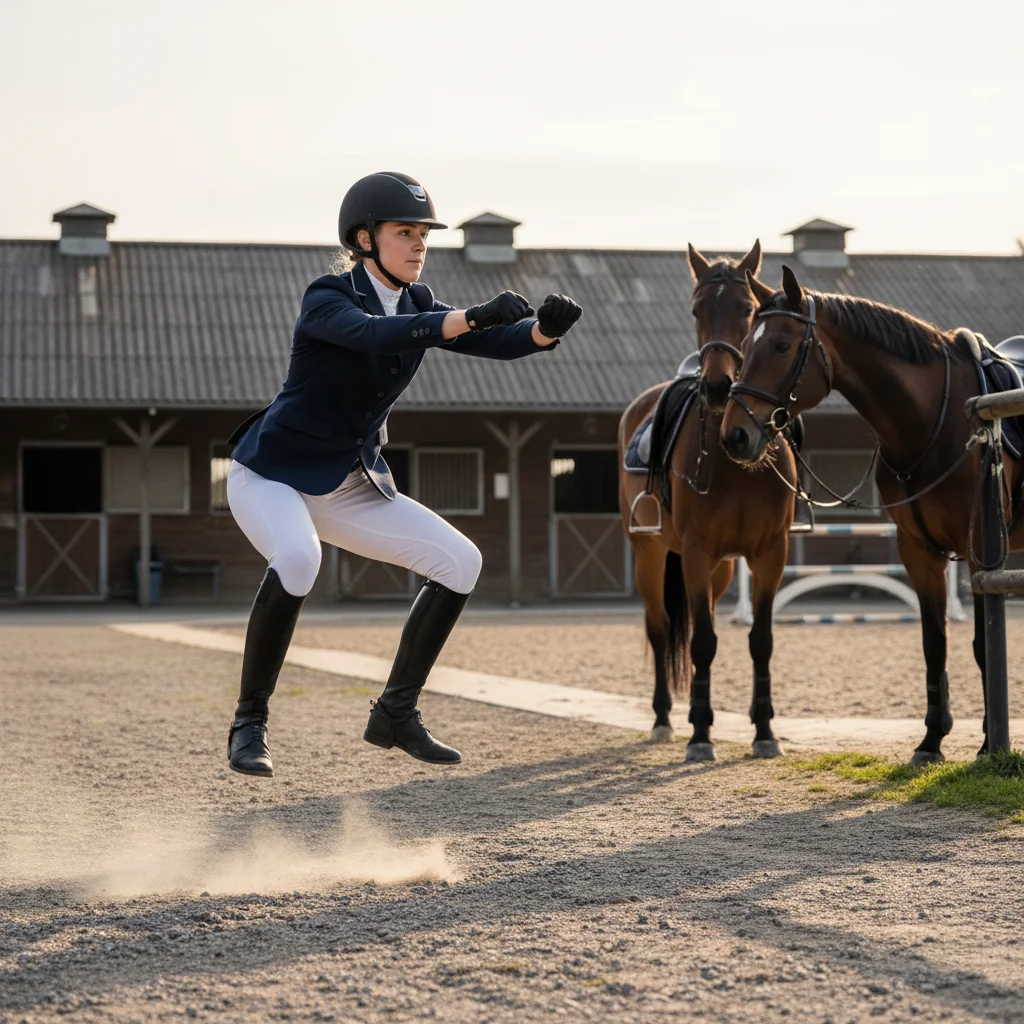
You don't need a gym membership to get riding fit; you need targeted intensity. Twenty minutes of strength work 2-3 times a week beats an hour of generic cardio. Focus on bodyweight exercises that push muscles to fatigue, landing between seven and nine on an effort scale.
Your core circuit should include Plank variations for deep stability and Glute Bridges to control your seat. Single-leg deadlifts are crucial for building stabilizers that prevent you from collapsing to one side—no matter how well-structured your breeches from a top equestrian clothing factory are, they can't fix a collapsing hip. Add Wall Sits to burn your quads and build the endurance needed to keep leg contact without gripping.
However, strength must be balanced with flexibility. Stability matters more than hyper-flexibility, but you need controlled movement in your hips and shoulders. An eight-week stretching program has been shown to increase horse stride length. Use foam roller arm circles to loosen the spine and daily hip flexor stretches to counteract sitting. If you are stiff, you block your horse's movement. Incorporate low-impact cross-training like swimming or Pilates, which matches the core needs of riding without stressing your joints.
Training Timelines and Level Progression
Your preparation strategy depends on your experience level and goals. Professional equestrian outfit manufacturers design gear for different levels of intensity, and your fitness plan should follow suit.
For Occasional and Beginner Riders: If you have a ride in 48 hours, focus on mobility and sleep. Hydrate well. If you are starting a 4-week foundation builder, aim for three 20-minute strength sessions weekly. Focus on wall sit endurance—start at your current level and add 15 seconds each week. By week three, exercises will feel easier.
For Advancing to Competitive Riders: An 8-week performance program transforms your body. Phases 1-4 build foundation; weeks 5-8 add intensity with single-leg variations and stability ball challenges. Advanced riders should periodize their training, shifting between strength and endurance blocks to prevent plateaus. Recovery is vital—take one full rest day a week. Smart riders, like smart OEM/ODM services providers, know that consistent quality control (or body maintenance) beats hasty, intense bursts of effort.
- 3 sessions/week, 20 min each
- Focus: wall sit endurance
- Add +15 sec each week
- Mobility + hydration priority
- Weeks 1-4: foundation building
- Weeks 5-8: single-leg + stability ball
- Periodized strength/endurance blocks
- 1 full rest day per week
Injury Prevention and Gear Strategy
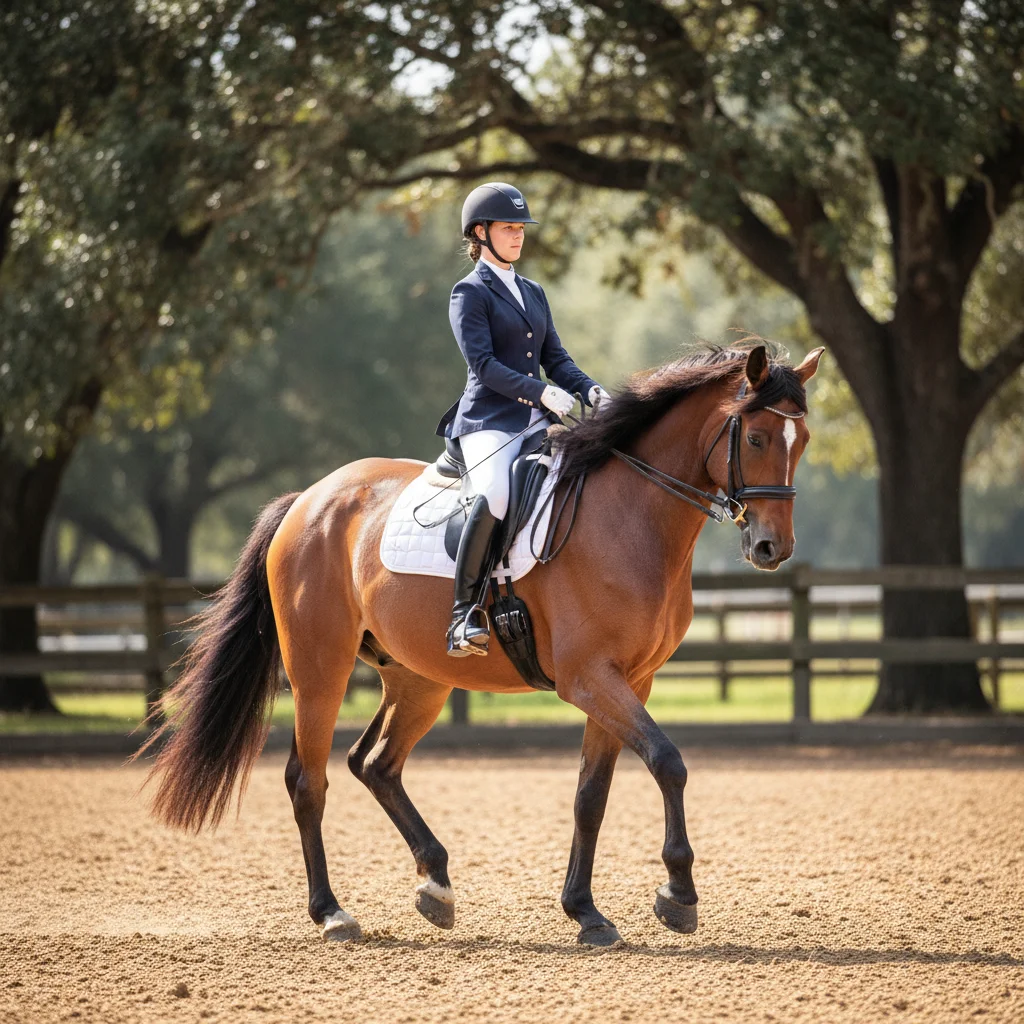
Most injuries stem from repetitive strain or imbalances, not just falls. If you ride frequently, your hip flexors effectively tighten while glutes weaken, creating chronic pain patterns. Check your body weekly in a mirror for uneven shoulders or hips. Train your weaker side with extra reps to close the gap.
Protecting your back requires core endurance; stop your ride when your core fails, not when you are exhausted. Furthermore, proven gear plays a massive role in prevention. Proper boots reduces stress on ankles and knees by 40%. A certified helmet is non-negotiable. Leading equestrian clothing manufacturers are constantly innovating fabrics and designs to support rider safety and reduce fatigue.
If you do get sore, ice tight muscles within 30 minutes of dismounting. While heat feels nice, ice stops the swelling that causes chronic tightness. Riders who foam roll after riding report 65% less next-day soreness.
Partnering with the Best: RunEquestrian
Preparing your body is the first step; outfitting it correctly is the second. Just as elite athletes require precision equipment, serious riders need apparel that functions as a second skin. This is where RunEquestrian excels as a premier partner in the industry.
As a specialized equestrian clothing factory, RunEquestrian focuses on the intersection of performance and style. They are not just retailers; they are experts in OEM/ODM services, providing bespoke solutions for brands and teams worldwide. Whether you are looking for breathable fabrics that move with your new core flexibility or durable designs for rigorous training, their experience as one of the leading equestrian outfit manufacturers ensures quality.
They bridge the gap between functionality and fashion, offering high-end custom equestrian clothing that supports your biomechanics rather than restricting them. For riding clubs, academies, or brands looking to develop a unique line, RunEquestrian offers comprehensive custom equestrian clothing services, taking concepts from design to finished product. By choosing a partner who understands the anatomy of riding, you ensure that your hard physical work is complemented by gear that performs.
Your path to confident riding starts with fitness and ends with the right equipment. Schedule your first workout today, and consider upgrading your kit with professional equestrian suppliers like RunEquestrian. Your horse—and your body—will thank you.