Your cowboy hat has been through a lot — long rides, dusty arenas, sweaty summer afternoons, and maybe even a surprise rainstorm or two. At some point, you've probably watched a good hat lose its shape, pick up a stubborn sweat ring, or go from crisp and sharp to sad and droopy. That sinking feeling is real, especially when you've invested in a beautifully crafted cowboy hat.
Here's the truth: whether you bought a single piece or sourced a large order of wholesale hats from reputable equestrian suppliers, felt cowboy hat care and straw cowboy hat cleaning aren't complicated. They just have to get done. As a dedicated equestrian clothing manufacturer, we've seen firsthand how proper maintenance extends the life of premium gear.
This guide covers all the essentials, blending routine brushing, deep cleaning, sweat stain removal, reshaping, waterproofing, and proper storage into a seamless routine. Neglect is quiet and doesn't announce itself. It simply turns a beautiful hat into something you're embarrassed to wear. Heat plus moisture shrinks wool fibers for good, while direct sun cracks fragile straw. Greasy hands leave permanent stains, and tossing it flat on a surface destroys the brim shape. Catching these small problems early prevents the need for professional restoration, keeping your custom equestrian apparel looking sharp season after season.
Know Your Hat First: Identifying Your Cowboy Hat Material
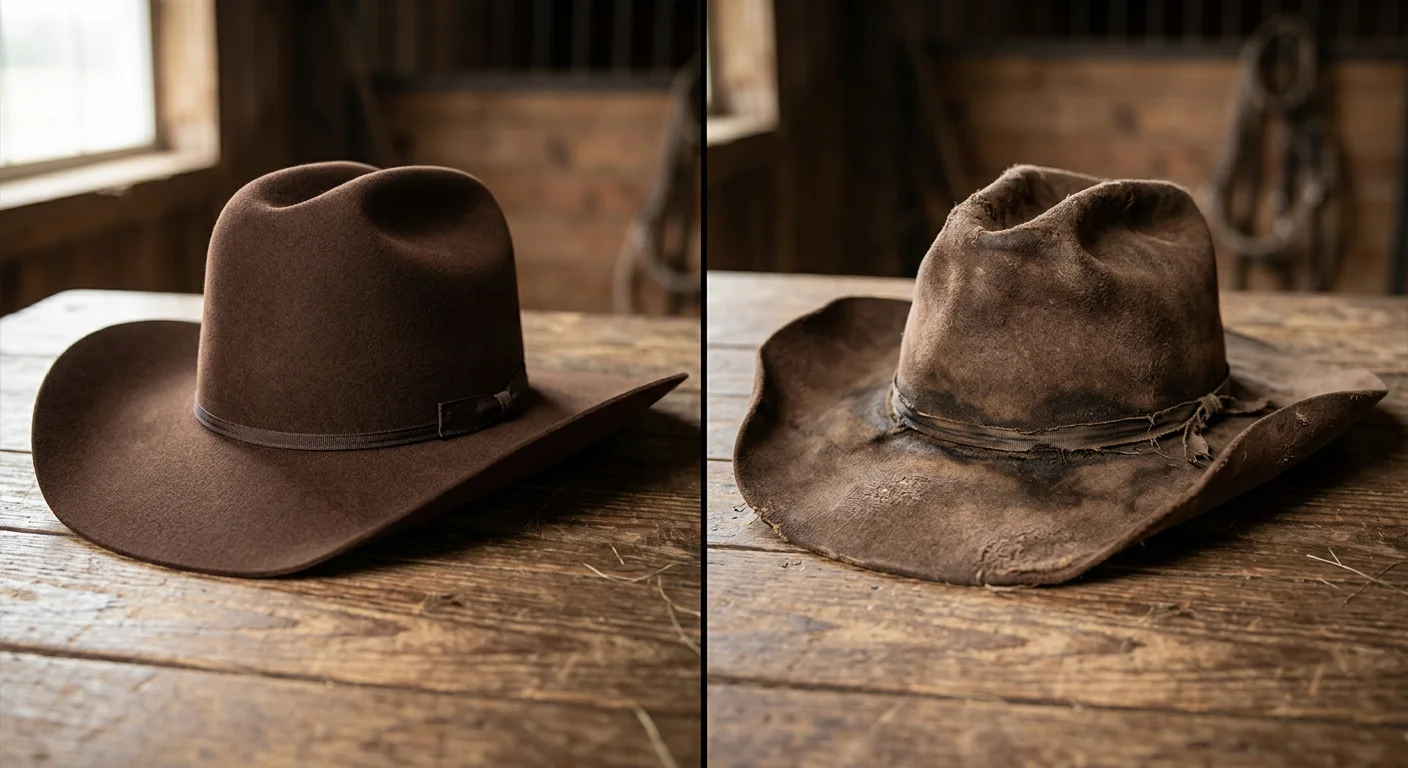
Before you grab a brush, a spray bottle, or anything else, you strictly need to stop and assess. The single biggest mistake hat owners make is treating every cowboy hat the same way. The wrong product on the wrong material does more damage in five minutes than a whole season of hard riding. Premium equestrian manufacturers utilize four main materials: fur felt, wool felt, straw, and leather or suede.
If you aren't sure what material your custom cowboy hat is made of, check the label inside the crown band. You can also run a quick tactile test. Fur felt feels velvety, straw pushes back and may snap under pressure, and leather possesses a firm, solid hide scent. Getting this material identification right is the foundational step. Applying leather conditioner to a straw weave will rot the fibers, and steaming leather the way you would steam felt causes the finish to severely crack.
Daily Cowboy Hat Maintenance: The Quick Prevention Routine
Most hats end up warped, stained, and smelling like a summer rodeo simply because owners skip a basic five-minute daily routine. Regular brushing removes about 95% of surface dirt before it settles deep into the fibers, an insight heavily preached by experts at any major equestrian clothing factory. To maintain your hat, always grab it by the brim's front edge rather than pinching the crown. Finger oils transfer instantly into felt and straw, and once they set in, they are notoriously difficult to remove.
Brush the crown counterclockwise, followed by downward strokes to the brim, using a soft horsehair brush. This specific direction follows the natural grain of fur-felted fibers. Brushing clockwise works against the hat's structure, causing dullness and pilling over time. Straw hats don't require brushing; a short burst of compressed air or a barely damp cloth handles dust perfectly. Next, wipe the inner sweatband with a slightly moist cloth. The sweatband gathers grime twice as fast as the brim, and leaving it untreated shrinks the band while locking in stubborn odors. Finally, store your hat crown-down on a proper rack. Tossed onto a truck seat or crammed onto a wall hook, the hat will eventually lose its tailored profile.
How To Clean Felt and Straw Hats Without Damage
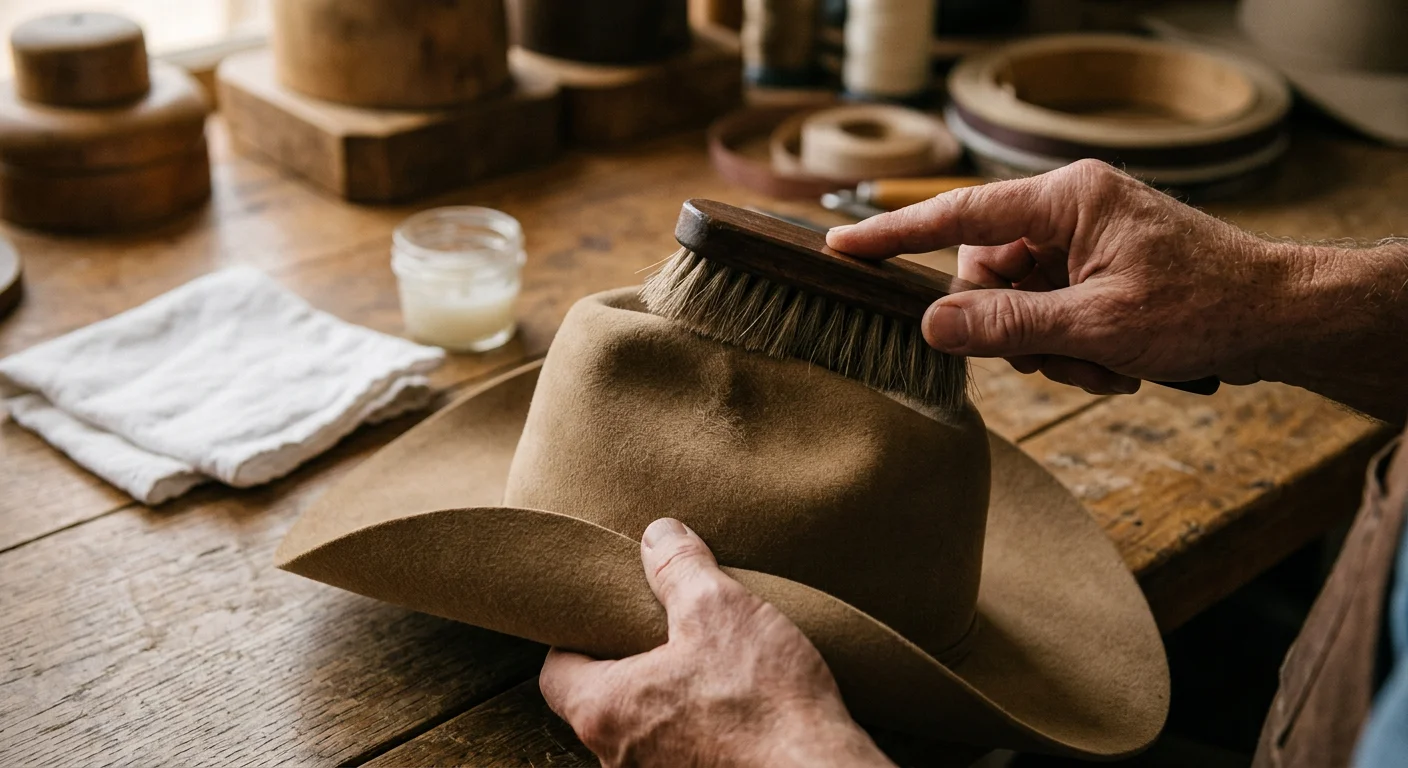
Felt is incredibly unforgiving. One wrong move with too much water or a blast of hot air, and the fibers are ruined. Cleaning felt correctly is about patience, starting with dry methods. For everyday dust, skip the water entirely and rely on your soft-bristle brush, moving in smooth counterclockwise strokes. For unexpected grease or oil stains, sprinkle a bit of cornstarch directly onto the spot, letting it sit to pull the oil out without adding destructive moisture. If you encounter stubborn spots, dab the area gently with a microfiber cloth barely dampened in lukewarm water mixed with a drop of baby shampoo. Never rub, and absolutely never submerge a felt hat in water, as full immersion instantly triggers irreversible shrinkage.
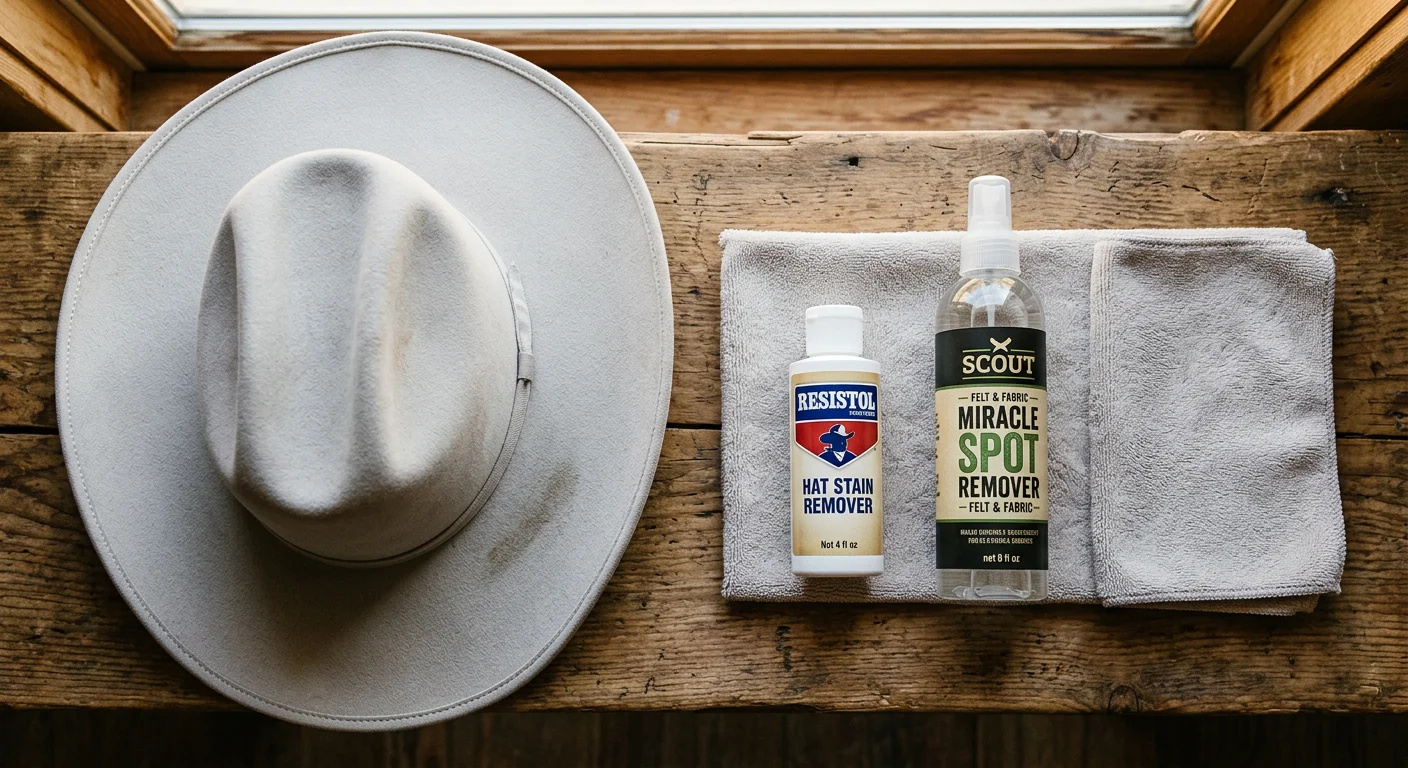
Straw hats, commonly sourced in bulk as wholesale hats, have a complex relationship with moisture. Once moisture surpasses a certain threshold, the natural straw fibers warp and swell permanently. For regular cleaning, blow dust out of the weave using compressed air held at a 45-degree angle. If you need to tackle a noticeable spot, use a cloth wrung out until it is barely damp, dabbing gently from the outer edge inward. When cleaning the inside sweatband, tuck a paper towel underneath it to act as a barrier, preventing soapy moisture from bleeding into the straw body. Let straw hats air dry upside down in a well-ventilated, shaded spot—away from intense direct sunlight.
Leather & Suede Care: Conditioning for Long-Term Durability
Leather and suede cowboy hats demand a different kind of respect. Unlike felt, these rugged materials should never be exposed to steam or high heat. Conditioning your leather hat four times a year prevents surface cracking, ensuring your high-end custom equestrian clothing accessories remain flawless. Apply a very thin layer of saddle soap or mink oil using a soft cloth, working it in with slow, circular motions before buffing away any excess. Too much conditioner softens the hide heavily, causing structural deformation. Let it air dry on a dedicated hat form for a full 24 hours.
Suede behaves completely differently. Generic leather conditioners will ruin its textured surface and darken the nap. Address dry marks with a dedicated suede eraser, and tackle stubborn blemishes using gentle, one-directional strokes with fine-grit sandpaper. If you get caught in a heavy rainstorm while wearing leather or suede, immediately blot the excess water with a towel, reshape the hat delicately, and let it dry naturally away from any radiators or sunlight before attempting any further conditioning.
Reshaping with Steam and Managing Sweat Stains
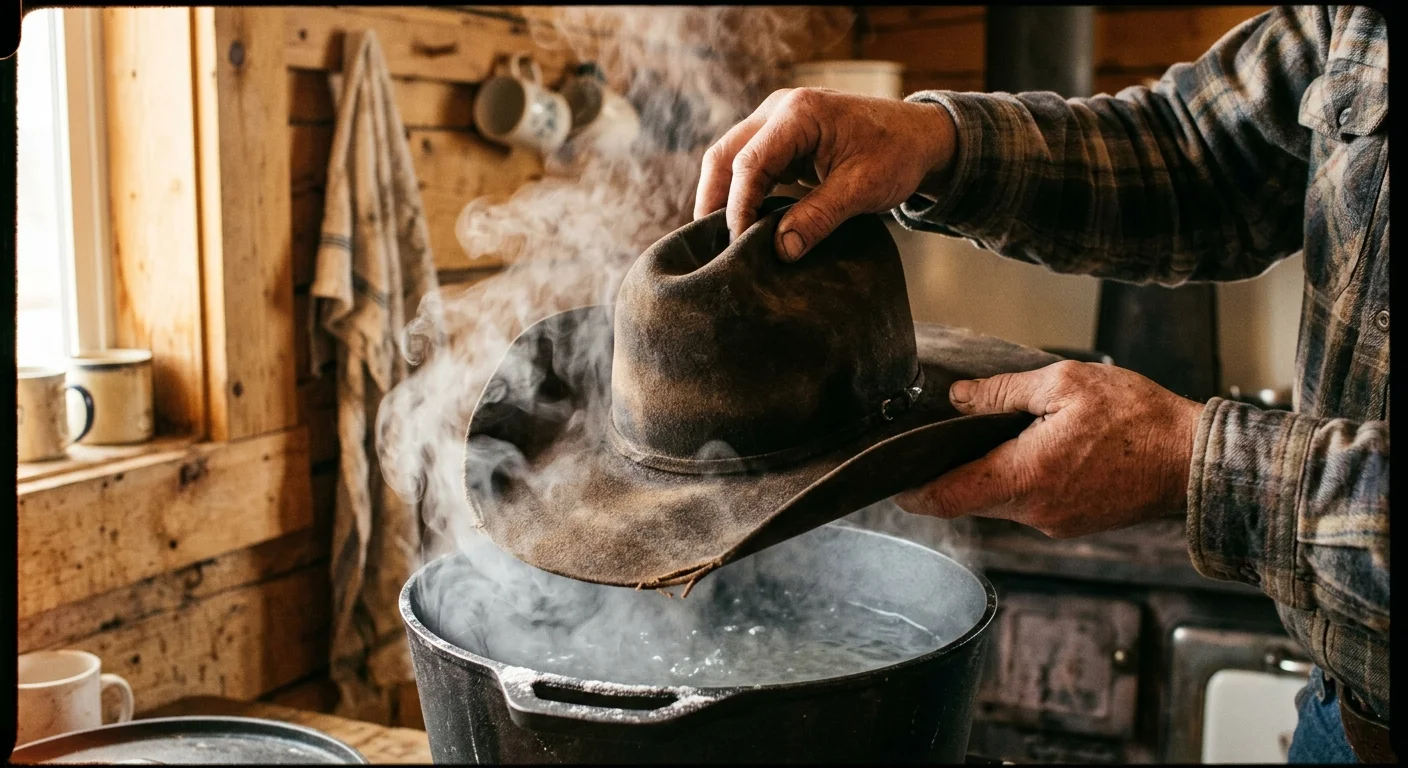
Steam is your greatest ally for bringing a misshapen felt hat back to life. A pot of boiling water or a handheld steamer softens the fibers, allowing them to shift and return to their proper shape. Keep the hat exactly six inches above the steam source so you don't scorch the delicate felt. Once the crown feels pliable, use both hands to push out accidental creases and coax the sides back to an upright profile. After reshaping, the most critical step is to let it sit untouched for fifteen minutes to allow the fibers to cool and lock the new shape into place.
Work on the brim in small sections, patiently waiting for the material to become supple before pressing it firmly to maintain a flat or curved profile.
Addressing sweat stains promptly is equally crucial. The mixture of salt and skin oil bonds tightly to the fibers of the hatband. Clean the band by dabbing it gently with a half-and-half mixture of white vinegar and water to break down salt rings, or use mild dish soap for general grime. For deeper stains that have fully seeped into the hat body, apply a thick paste of baking soda and water to the area, let it sit for roughly an hour, then brush it away. Staying proactive with moisture-wicking sweat shield liners helps protect the pristine look of your custom equestrian clothing.
Proper Storage, Waterproofing, and Essential Care Products
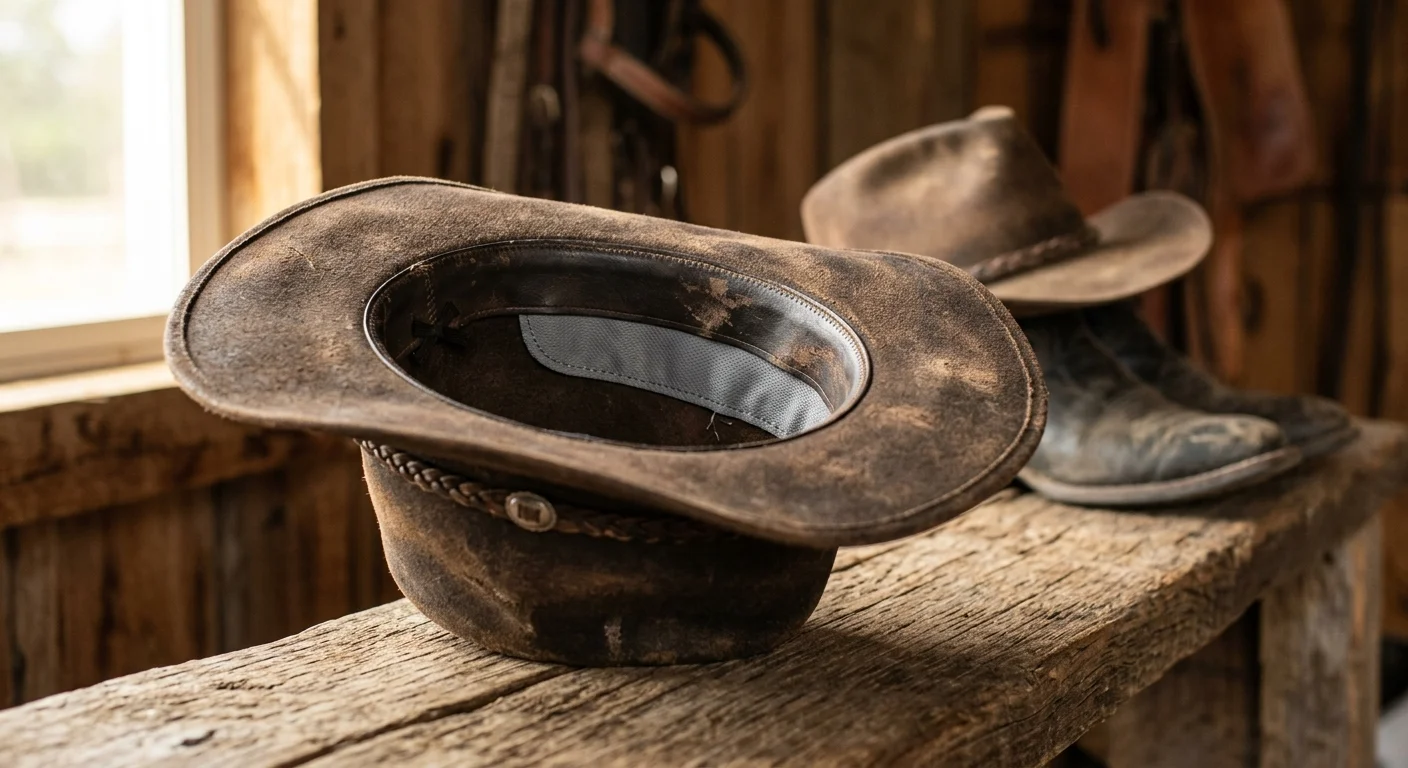
Most hat damage occurs behind closed doors in hot closets or stuffy truck cabins. The golden rule of storage—whether for retail inventory from wholesale equestrian distributors or your personal collection—is keeping the environment cool, dark, and stable. Storing your hat crown-side down prevents the brim from flattening out. When packing away a hat for the off-season, ensure it is completely dry, snap the brim into its natural position, and cover it loosely with a breathable towel rather than trapping it inside a humid plastic bag.
When the rain hits, you'll be glad you utilized waterproofing sprays. Quality fur felt already carries partial water resistance, but a dedicated fabric or leather waterproofing spray buys you critical time in a sudden downpour. Apply these sprays evenly from six inches away on a bone-dry hat, ensuring the edges and seams are thoroughly coated. Old-fashioned melted beeswax rubbed thinly onto leather hats serves as an incredibly robust, natural alternative.
Don't be overwhelmed by the wall of products at Western stores. The essentials are simple: a soft horsehair brush, a slightly damp cloth, cornstarch for absorbing oils, and a solid storage rack. Skip the nylon brushes, keep blow-dryers far away from your gear, and avoid liquid cleaners on light-colored fur felt. Sticking to these basics guarantees longevity for any piece of equestrian apparel.
- Soft horsehair brush
- Slightly damp cloth
- Cornstarch for absorbing oils
- Solid storage rack or hat box
- Nylon brushes (too harsh)
- Blow-dryers (heat damage)
- Liquid cleaners on light felt
- Plastic bags for storage (trap humidity)
Conclusion
Your cowboy hat isn't just an accessory — it's a piece of your story. It deserves to be treated that way.
Here's the honest truth: felt cowboy hat care doesn't take fancy skills or a whole afternoon. Three simple habits go a long way:
Stick to those three, and your hat will look fresh off the shelf — year after year.
Inherited a vintage beauty? Just bought something brand new? Either way, you've got everything you need to protect that investment.
So grab your hat brush. Find a proper hat box. Give that hardworking hat the attention it's earned. Ready to stock up on the right care products? Browse our full selection at RunEquestrian — a well-loved hat always tells the best stories.