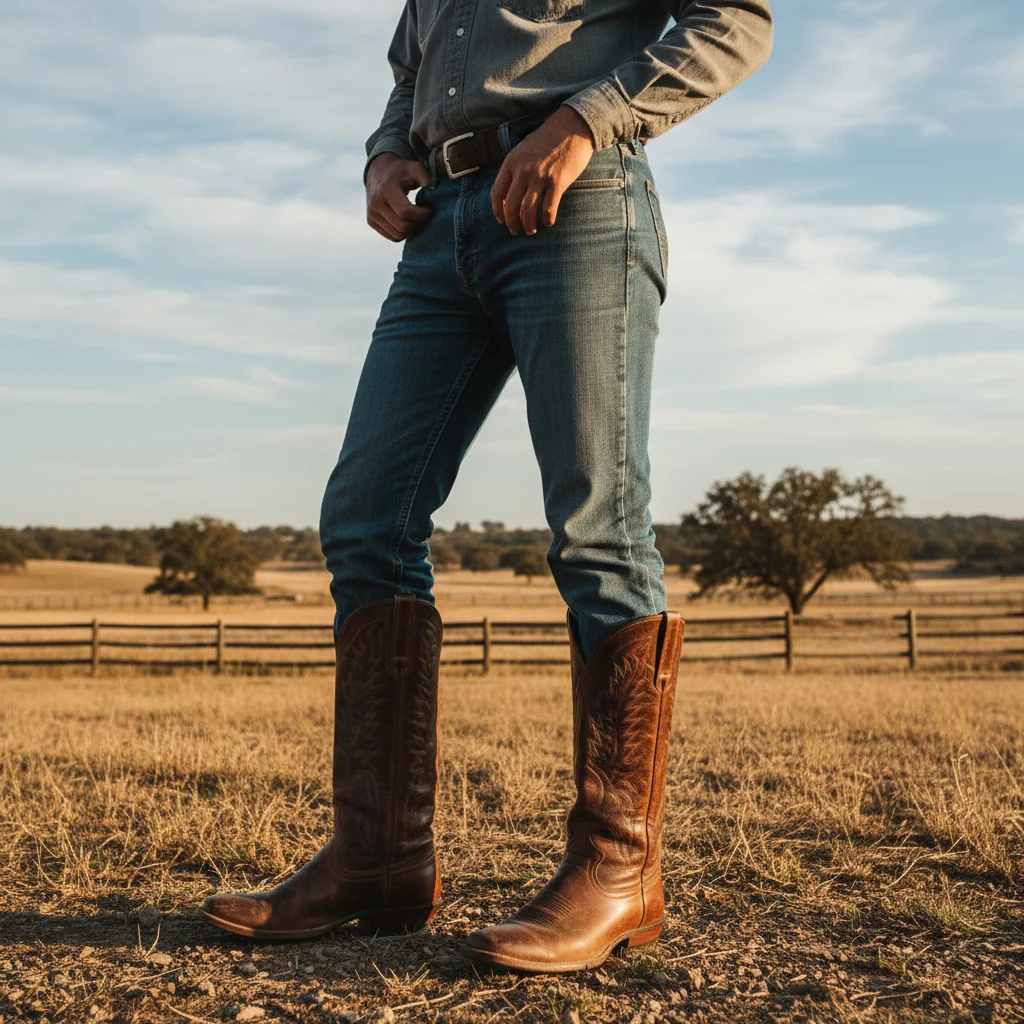
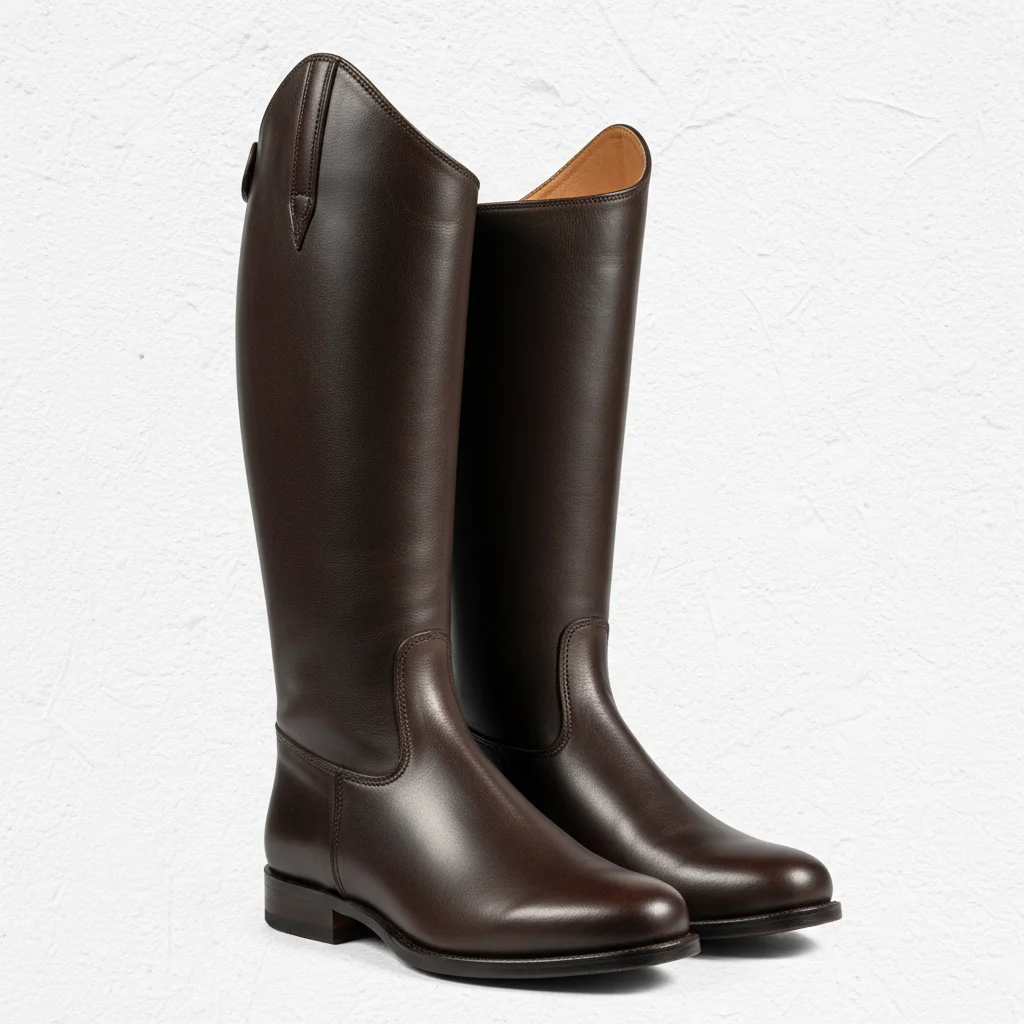
The wrong pair of riding boots will cost you. Stiff leather that fights your leg, a heel that slips at the worst moment, or a fit that looked fine in photos but feels punishing after forty minutes in the saddle—these are the realities riders face daily. The market for riding footwear is shifting rapidly away from rigid tradition toward athletic hybrid designs. Riders today aren't just asking "Which brand?" they are asking "What style serves my biomechanics?"
Rather than relying on brand logos, we have mapped out the specific design trends, silhouettes, and manufacturing details that serious riders, weekend hackers, and sourcing managers are prioritizing for the 2026 season. This isn't just about aesthetics; it is about understanding the construction, from the equestrian suppliers sourcing innovative textiles to the final ergonomic stitch. Popularity in riding boots is now driven by functionality—how a boot behaves in a wet arena or during a jump-off. Whether you are a rider optimizing performance or a retailer scouting equestrian outfit manufacturers for the next trend, understanding these style shifts is crucial.
Trend 1: The "Athletic Hybrid" Field Boot
The most significant shift in English riding footwear is the move toward the "sneaker-boot" hybrid. Gone are the days of breaking in stiff soles for months. The popular style right now features a contoured ankle with a high-performance running shoe footbed. Riders are demanding boots that feel broken in the moment they come out of the box. This style is characterized by flexible ankle panels, often using corrugated leather or elasticized inserts that allow for immediate heel depression without compromising the boot's structure.
For equestrian clothing manufacturers, this means a shift in production techniques. The traditional cemented sole is being replaced by direct-inject molding or advanced rubber composites that offer shock absorption. Visually, these boots often feature sporty design lines, contrast stitching, or carbon-fiber effect accents on the heel and toe. This "tech-first" aesthetic is dominating the hunter/jumper rings, pushing brands to work closely with equestrian clothing factory partners who have capabilities beyond traditional cobbling—specifically in integrating memory foam and moisture-wicking synthetics into classic leather frames.
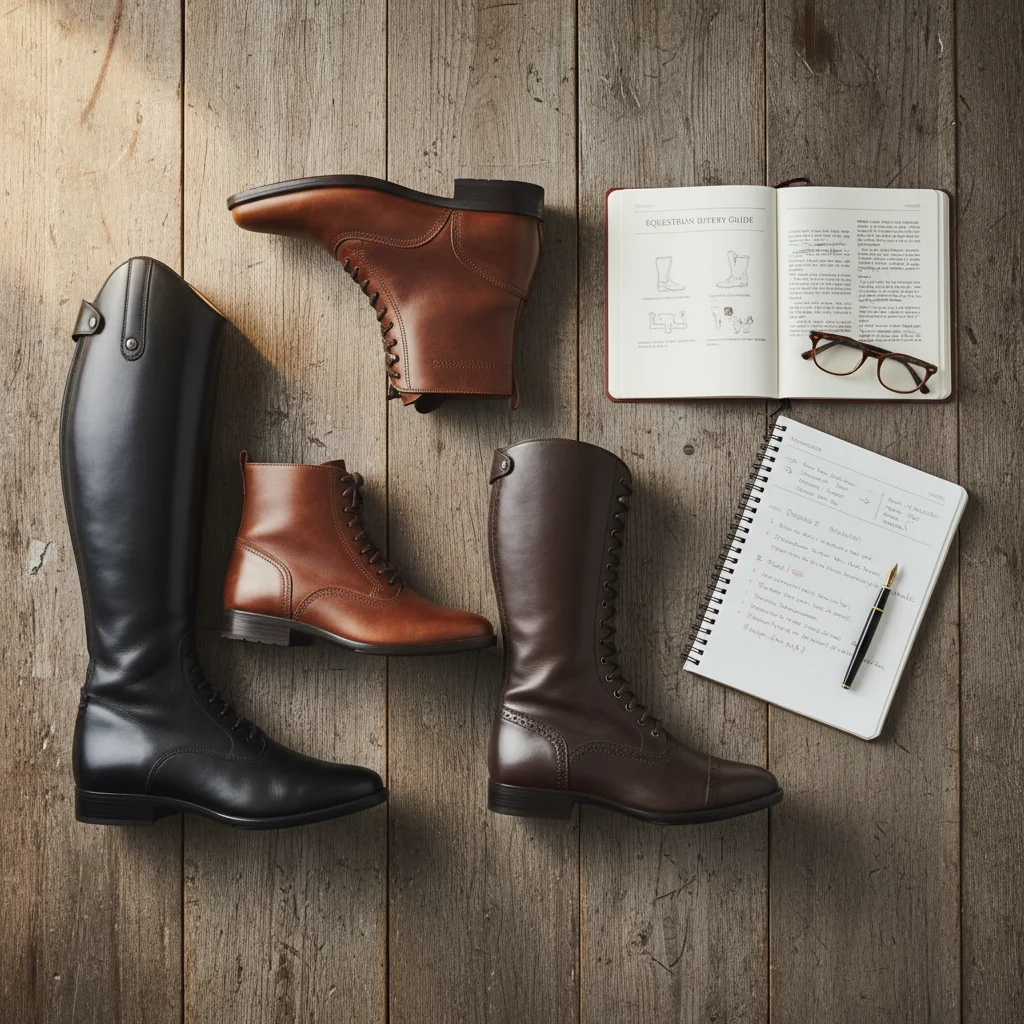
Trend 2: The High-Couture Dressage Silhouette
While jumpers are going athletic, the dressage world is doubling down on structure and elegance. The trending style here is the "Stovepipe" silhouette with an exaggerated Spanish Top (the curved leather piece that extends up the outside of the knee). This style is designed to create an illusion of a longer, more stable leg. The critical detail currently in vogue is the hidden inner-panel technology. While the exterior looks like rigid, polished box calf, the inner calf often features a softer, grip-enhanced leather or synthetic suede to aid quiet communication with the horse.
We are also seeing a surge in demand for custom equestrian boots features being made available in off-the-rack models. Details like brushed leather finishes, patent leather tops with Swarovski crystal piping, and interchangeable bow accents are becoming standard requests. Sourcing these specialized materials requires experienced equestrian suppliers who can balance the aesthetic demand for high-shine patent leather with the durability needed for daily training. The hard-shell exterior protecting a soft, memory-foam lined interior is the defining construction method for this category heading into 2026.

Trend 3: The Waterproof "Country-to-Saddle" Crossover
Perhaps the fastest-growing segment is the "lifestyle" boot—footwear robust enough for barn chores, stylish enough for the pub, and safe enough for a hack. The style here is chunky, distinct, and heavily textured. We are seeing a move away from smooth calfskin in favor of oiled nubuck and distressed leathers that hide scratches. The defining feature of this popular style is the waterproof membrane lining (often GORE-TEX or proprietary equivalents) paired with a heavy-duty lug sole.
These boots often feature adjustable side laces or drawstring tops, moving away from the tight, custom fit of competition boots. For retailers, this is a volume driver. Wholesale riding boots distributors are reporting that consumers are increasingly looking for this "one-boot-does-it-all" solution. The manufacturing challenge here lays in the sealing—taped seams and waterproof injection molding are non-negotiable. This category proves that practical, rugged styles are just as "fashionable" as the polished show ring look, provided they offer genuine weather protection.
- GORE-TEX waterproof membrane
- Heavy-duty lug sole
- Barn-to-pub versatility
- Oiled nubuck hides scratches
- Not competition-legal
- Heavier than field boots
- Taped seam quality varies
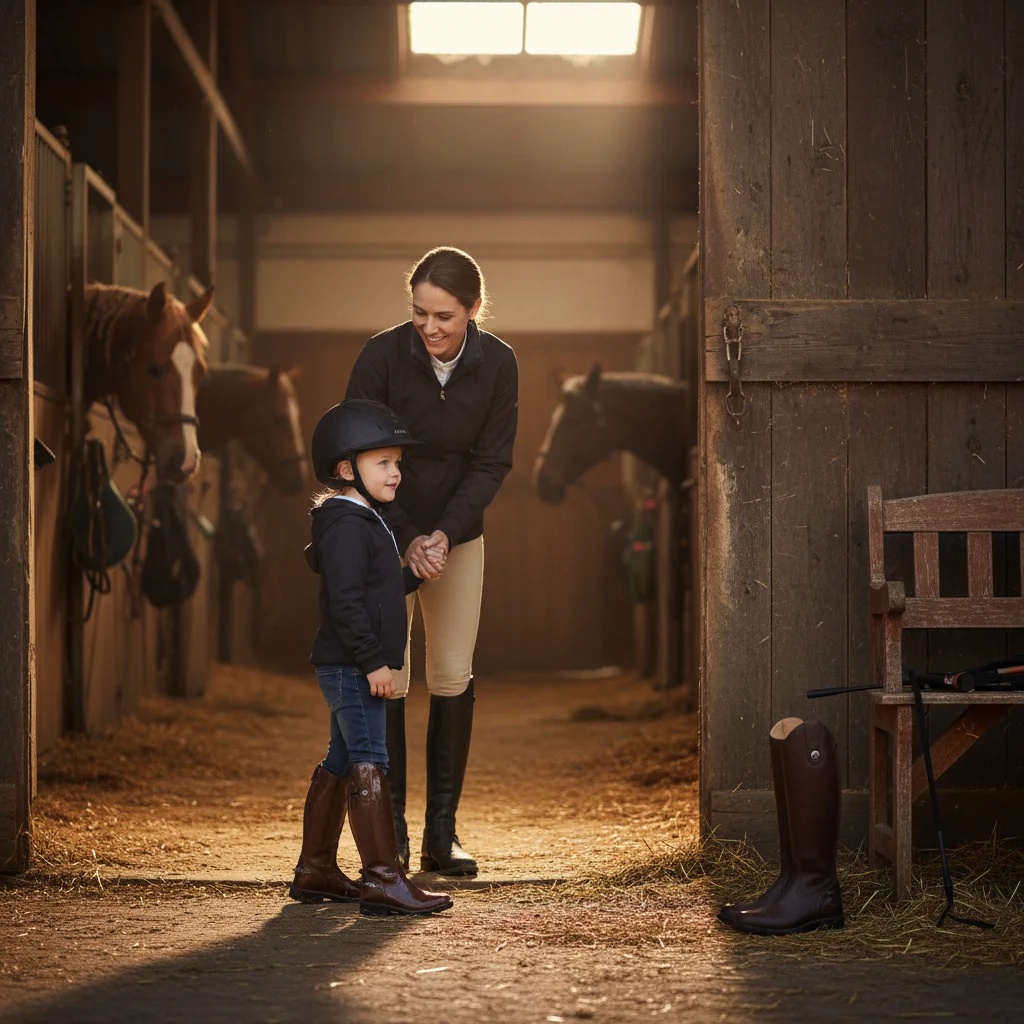
Trend 4: Western Performance – Square Toes and Exotic Prints
In the Western arena, the classic rounded toe has largely ceded ground to the broad square toe. This style offers more room in the stirrup box and a modern, aggressive look that appeals to rope and barrel competitors. The current trend emphasizes the "rough-out" leather texture on the vamp (the top of the foot), which offers durability against spur straps, contrasted with vibrant, vividly colored shafts. Turquoise, neon greens, and digital camo prints are replacing traditional earth tones on the boot shaft.
Another major style shift is the "lightweight performance" Western boot. Traditional leather soles are being replaced by dual-density rubber outsoles that mimic athletic shoes, designed to reduce fatigue for riders who spend 12 hours on their feet. This fusion of cowboy tradition with sneaker technology is a massive opportunity for wholesale equestrian clothing and footwear brands to introduce tiered product lines—offering the traditional look with modern lightweight materials.
Manufacturing the Trends: Customization and Smart Textiles
Underpinning all these style trends is a revolution in manufacturing capabilities. The buzzword for 2026 is "adaptive fit." We are seeing custom equestrian clothing logic applied to footwear through the use of 3D-knit elastic panels. Instead of a simple elastic gusset, manufacturers are using engineered knits that offer different zones of compression—tighter at the ankle for support, stretchier at the calf for fit. This allows for a "custom feel" in a stock boot, drastically reducing returns for online retailers.
Furthermore, the integration of E-Tex and high-grade vegan leathers is no longer just a budget decision; it is a style choice. These materials allow for laser-cut perforations and printed designs that natural leather cannot support. Brands utilizing OEM/ODM services are increasingly requesting these synthetic hybrids to lower weight and increase durability. The ability to produce small-batch, semi-custom designs with these materials is what separates a generic equestrian clothing manufacturer from a strategic partner.
Conclusion: Sourcing for Style and Function
The popular boot of tomorrow is comfortable, tech-infused, and purpose-built. The days of a single black leather boot serving every purpose are over.
Choosing the right equestrian boot style is no longer just about buying a brand name; it is about selecting the right architecture for your ride. Whether you need the athletic reciprocity of a hybrid field boot, the rigid localized support of a dressage stovepipe, or the rugged versatility of a waterproof country boot, the 2026 market is defined by specialization. The days of a single black leather boot serving every purpose are over.
For businesses navigating this landscape, the key lies in the supply chain. Partnering with a versatile equestrian clothing factory that can handle both heavy-duty waterproofing and delicate custom equestrian custom stitching is essential. By leveraging OEM/ODM services, brands can rapidly adapt to these style trends, offering private label equestrian clothing and footwear that meets the sophisticated demands of modern riders. The popular boot of tomorrow is comfortable, tech-infused, and purpose-built—ensure your inventory reflects that reality.