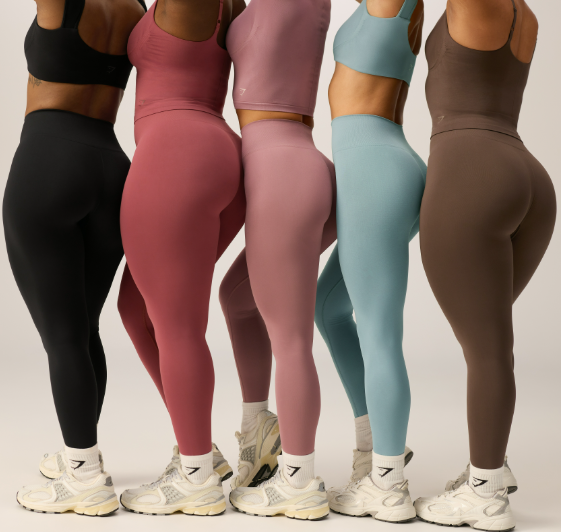
Pulling on your boots and helmet seems simple, right? But there's more to riding clothes than you might think!
Maybe you're new to riding, looking at those sneakers and wondering if they'll work. (They won't!) Or perhaps you've been riding for years and want gear that keeps you safe during long training sessions. Whether you are browsing local shops or looking into equestrian supplies online, the goal remains the same: safety and comfort.
I learned this the hard way. The wrong pants turned a nice ride into a painful one, and cheap boots put me at risk. Leading equestrian clothing manufacturers understand this balance. You need breeches that feel comfortable but don't cost too much, and a helmet that actually protects your head. Here is what you should know about sourcing the best gear for your ride.
Essential Clothing for Horse Schooling (Head to Toe)
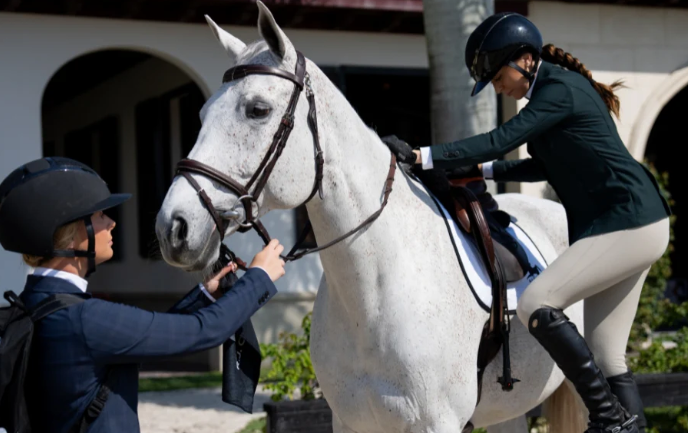
Let's walk through your schooling wardrobe from top to bottom. This is what works in the arena.
Your Head: Safety First
Helmets are required during riding lessons. They're not optional. Your helmet needs to meet current safety standards. Look for certifications like ASTM F1163 or SEI approval. A pretty helmet that doesn't protect you? That's just a fancy hat. Make sure it fits tight without pinching. Shake your head. The helmet should move with you, not slide around.
Upper Body: Comfort Meets Function
A moisture-wicking riding shirt or polo shirt keeps you comfortable through every transition. Top equestrian manufacturers now produce equestrian sunshirts and schooling shirts designed to pull sweat away from your skin, ensuring you stay cooler without that sticky feeling.
The fit matters. Choose shirts with a stretchy, athletic cut that moves with you. If you are looking for custom equestrian clothing, ensure the design isn't too tight (restricting reach) or too loose (catching on the saddle). Skip the tank tops and oversized t-shirts; they aren't safe or practical.
Lower Body: Where Security Happens
Breeches or riding tights protect your legs from painful chafing and provide needed grip. You've got three solid options: breeches, jodhpurs, or riding tights. Innovative equestrian outfit manufacturers offer all three in breathable, stretchy fabrics.
The patches make the difference. Knee patches or full-seat patches improve your stability and leg grip in the saddle. Full-seat patches give you more coverage, while knee patches offer a bit more freedom. For younger riders, jodhpurs let instructors see leg position clearly, speeding up the learning process.
Your Feet: The Foundation
Tall boots or paddock boots with a clear heel are required. That heel prevents your foot from sliding through the stirrup—a dangerous situation you want to avoid. Paddock boots can be paired with half-chaps or gaiters for the look and function of tall boots without the high price tag.
The Extras That Count
Riding gloves protect your hands from blisters and improve rein control. Add a belt to keep everything in place. For winter schooling, a waterproof or weatherproof jacket is essential found in any comprehensive equestrian supply catalog. Cold fingers can't hold reins well, so warm gloves are a must.
Proper Riding Boots and Footwear for Training
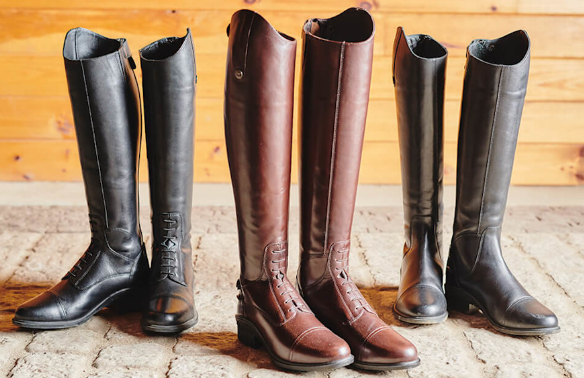
Your boots do more than complete your riding outfit—they're your primary safety device in an emergency.
The Non-Negotiables
Full ankle coverage is mandatory. Your boots must cover your ankle bone to protect delicate bones from injury. The heel requirement is at least half an inch (0.5") of distinguishable heel. This stops your foot from sliding through the stirrup. Look for smooth, thin soles. Thick treads get caught in stirrups, while thin soles release easier if you fall.
What Works (and What Doesn't)
Acceptable choices include leather work boots or sturdy textile hiking boots that cover your ankle. Motorcycle boots with rigid side protection also work well. Never wear these: High-top running shoes, boots with elastic ankle panels, or short boots that don't reach your ankle bone. They all fail the safety test.
Discipline-Specific Details
Dressage boots feature stiffer construction and a higher front cut to conduct leg signals. Jumping or eventing boots need ankle flexibility for varied terrain. Tall boots should rest about 1 to 1.5 inches below your knee. Whether you buy off-the-rack or order a custom equestrian outfit boot, expect a break-in period.
Equestrian Safety Helmet Requirements
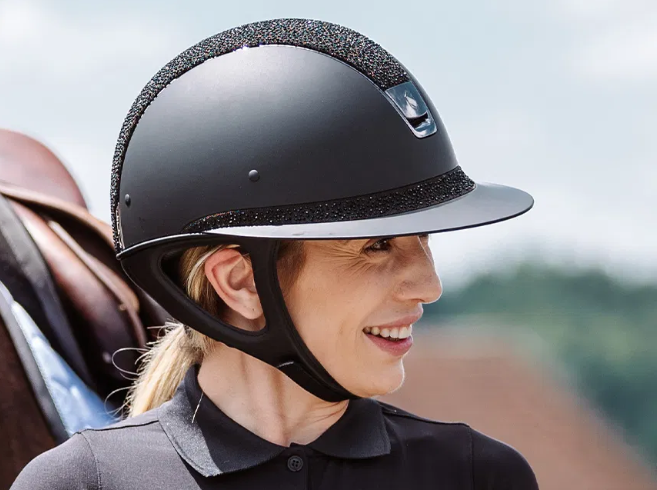
Your helmet is the one thing standing between you and a life-changing injury. You need specific certifications stamped right on that shell.
The Main Standards
ASTM F1163 is the American standard. Look for version F1163-15 or the newer F1163-23. These helmets survive brutal testing: freezing, baking, and impact. PAS 015:2011 is the British standard with the BSI Kitemark, testing for greater drop heights and crush resistance. The European standard, VG1 01.040 2014-12 or EN1384, covers penetration and crushing tests.
The Gold Standard: Snell E2021
For the best protection, look for Snell E2021 certification. It has the most rigorous testing, including higher drop heights and metal ball impacts. Smart equestrian manufacturers create helmets meeting multiple standards (ASTM, PAS, EN) to cover various accident scenarios.
Competition Requirements: The United States Pony Club (USPC) and United States Equestrian Federation (USEF) require ASTM/SEI certified helmets. Flip your helmet over to check the labels. Replace it after any big impact, even if it looks fine.
Comfortable Breeches and Riding Pants Selection
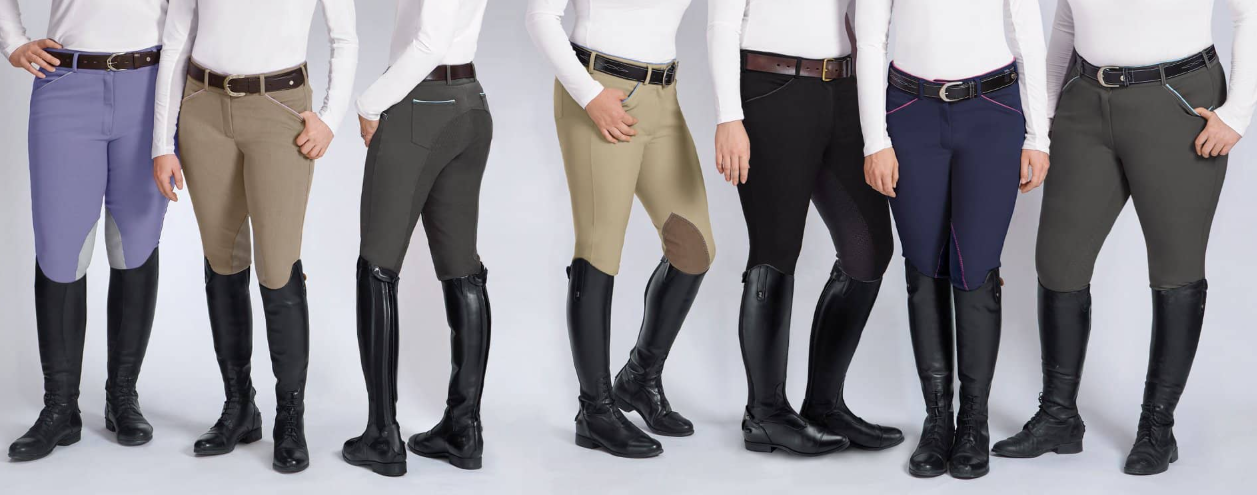
Finding the right breeches changes everything. Mid-rise or higher waistbands are your friend; they cover you during movement and hold belts better than low-rise cuts.
Fabric and Grip
The fabric structure matters. Thicker materials support you, while stretch fabrics should compress without squeezing. Side seams create vertical lines, elongating the leg silhouette. Leading equestrian clothing manufacturers avoid thick inseams that rub your skin raw.
Grip varies by need. Mild grip options like silicone patterns work for dressage leg mobility. Medium grip suits everyday schooling, while Maximum grip (like GripTek™) helps jumpers stay secure. Full-seat breeches offer maximum stability, while Knee-patch breeches provide traditional freedom.
Best for: Dressage
Best for: Training
Best for: Jumping
Seasonal Weights and Budget
Choose light fabrics for summer equestrian supplies lists and heavy fabrics with fleece lining for winter. You don't have to spend a fortune. Budget options like the Kerrits Crossover Breech or Ariat Heritage Elite offer quality without the high cost. Remember to air-dry your breeches to preserve the fabric and grip.
Weather-Appropriate Riding Gear
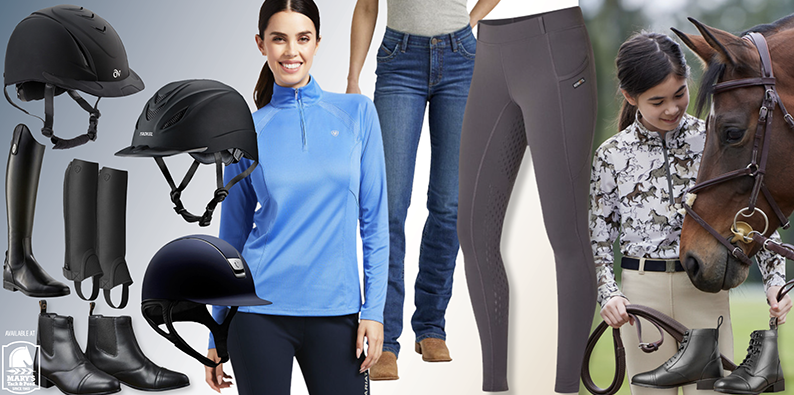
Mother Nature doesn't care about your schedule, so your gear needs to adapt. Moisture-wicking gear is critical in summer. Base layers pull sweat away, and helmet ventilation keeps you cool. Look for mesh riding gloves and ventilated shirts from specialized equestrian outfit manufacturers.
In winter, insulated riding jackets and thermal base layers are key. Insulated riding gloves keep hands functional, and winter breeches block the wind. For rain, invest in waterproof rain jackets designed for riding posture—regular jackets will pull at the shoulders.
• Ventilated helmet
• Mesh riding gloves
• Light-weight breeches
• UV-protective shirts
• Thermal base layers
• Insulated gloves
• Fleece-lined breeches
• Waterproof rain jacket
The smart approach is layering. Start with base layers and add vests or shells found at any comprehensive equestrian supply store.
Riding Gloves for Grip and Protection
Riding gloves stop blisters and boost your rein control. Good training gloves feature textured palms or silicone prints for grip and reinforced leather palms for durability. Features like finger bridges and stretch panels ensure your hand isn't fighting the glove to close.
Beyond grip, padded palms absorb vibration. Ensure the wrist closures are adjustable and secure. Use full-finger gloves for protection and fingerless styles only in extreme heat if necessary.
Common Riding Attire Mistakes
Mistakes in attire can be dangerous.
The Baggy Clothing Trap: Loose pants and bulky sweaters become safety hazards. They can snag on the saddle or tack. Stick to firm-fitting, trim clothes.
Helmet Fit Failures: Your helmet must fit your head right. A loose helmet won't protect you. Replace your helmet after any fall.
Footwear Disasters: Avoid flip-flops, tennis shoes, and hiking boots. You need a flat heel of at least one inch. Heavy treads trap feet in stirrups.
Stirrup Mistake: Place the widest part of your foot—the ball—on the stirrup. Not the whole foot.
Glove Problems: Oversized gloves slip on the reins, while too-tight ones cut circulation.
Safety Over Style Every Single Time. Don't trade function for looks. Ensure helmets must carry current certifications and avoid dangling jewelry.
Schooling vs Competition Riding Attire
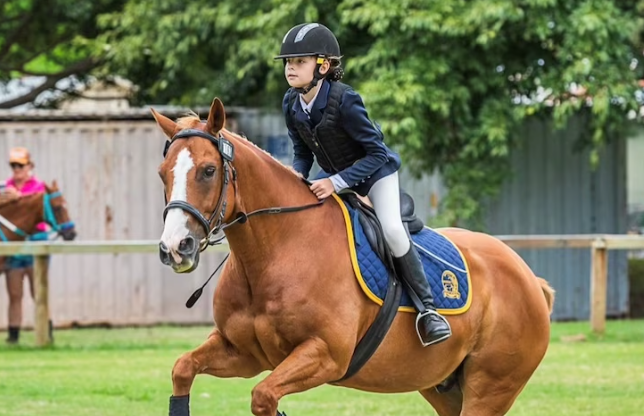
There is a formality gap between home training and the show ring. Breeches get strict in competition. While you can wear bright colors for schooling, shows require white, beige, or tan. Your shirt needs an upgrade too—from a polo to a white show shirt with a collar.
- Any color breeches
- Polo or schooling shirt
- No jacket required
- Gloves optional
- Focus: Functionality
- White/beige/tan only
- White show shirt + collar
- Fitted coat required
- Gloves required (white/black)
- Focus: Tradition & Respect
The biggest visual change is the jacket. You don't need one to school, but competition demands a fitted coat. Gloves become required at shows, usually in white or black. Dressage has the strictest rules, while lower-level eventing is more relaxed. Always check the rules, but remember: schooling is for functionality; competition is for tradition and respect.
Affordable Equestrian Clothing Options
The market is shifting. With the industry projected to grow significantly, brands know riders need functional gear without designer prices. Decathlon and Noble Outfitters lead with affordable basics. European brands like HKM offer value for the middle tier.
This growth is driven by wholesale equestrian clothing accessibility. Riders can find quality moisture-wicking fabrics and durable breeches at medium price points. This is crucial for novice riders and growing children who need safety without the massive investment.
Smart shopping involves looking for end-of-season sales and focusing on safety essentials first. Brands offering private label equestrian clothing often provide the same quality as big names at a fraction of the price. The future of the sport depends on making these equestrian supplies accessible to everyone.
RunEquestrian: The Manufacturing Partner
When looking behind the scenes of top gear, you often find experts like Michael Zhang. He started RunEquestrian in 2009 in a small workshop. Today, that operation has evolved into a massive, ISO-certified equestrian clothing factory producing over 500,000 pieces annually for clients in 30+ countries.
RunEquestrian stands out because they strictly focus on being equestrian outfit manufacturers. They don't make yoga pants; they make riding clothes based on 500+ rider body measurements. They offer comprehensive OEM/ODM services, meaning they can take a concept from a sketch to a finished product. This is perfect for brands looking for custom equestrian outfit solutions or riding schools needing uniform programs.
Their flexibility is key for modern businesses. With a minimum order of just 100 pieces, they support startups and established brands alike. Whether you need custom equestrian clothing or large-scale wholesale equestrian clothing, their production speed is unmatched—samples in 7 days and bulk orders in 20 days. Their defect rate is exceptionally low (under 0.3%), thanks to rigorous testing of abrasion resistance and stretch.
From sustainable GRS-certified fabrics to private label equestrian clothing support, RunEquestrian bridges the gap between design and reality. 70% of their clients stay for years because they understand the specific needs of the equestrian supply chain. They provide the technical backing that allows brands to focus on selling high-performance gear.
Conclusion
Getting dressed for schooling your horse shouldn't be a headache. Keep it simple: safety first with a certified helmet and proper boots, comfort second with breathable breeches, and practicality third. Whether you are sourcing from a local shop or a specialized equestrian supply distributor, prioritizing quality materials pays off.
For business owners and riders alike, understanding the source of your gear—from the equestrian clothing factory floor to the saddle—ensures you get the best performance. Whether you are a beginner or a pro, or a brand looking for equestrian manufacturers to partner with, the right clothing makes the difference. A productive training session beats an uncomfortable one every time. So grab your gear, trust your equipment, and enjoy the ride!
Start Your Custom Equestrian Clothing Line
MOQ 100 pcs | Samples in 7 days | Bulk in 20 days | ISO-Certified Factory
Get Free Quote Now