Every parent sees their child's face light up at the sight of a horse. Then comes the big question: Is my child ready for this? It's a moment filled with excitement, but also a fair bit of anxiety regarding safety and readiness.
There's no single answer that fits all kids. One four-year-old might handle riding well, while another might feel overwhelmed. As parents, we often rush to check out equestrian suppliers to buy that adorable first outfit, but understanding the developmental stages is crucial before making any investments. Many riding schools offer programs for children as young as two, but you need to know about physical development and mental readiness before booking that first lesson and purchasing a custom equestrian outfit. This guide gives you science-backed advice, safety insights from pediatric specialists, and experienced riding instructors. Plus, you'll find practical recommendations on where to find the best gear from top equestrian clothing manufacturers.
Understanding Physical and Cognitive Readiness
Every child's body and mind grow at their own pace. Horseback riding needs more than just excitement; it requires a specific set of physical and mental capabilities. Core strength and balance form the starting point. When a child sits on a horse, their trunk muscles work nonstop to stay stable. Kids under four usually lack the core strength needed for safe riding, as their postural control is still growing. Studies on therapeutic horseback riding show real improvements in balance and mobility because the horse moves in three dimensions, but these movements need certain physical abilities to handle them safely.
Cognitive capacity is equally important. Attention span affects how well they learn. A good riding lesson needs 20-30 minutes of focus. Most children build this ability around age six or seven. Before this age, finding custom equestrian clothing that fits well is important, but the lessons should be short. Behavioral control keeps riders safe. Research using Go/No-go tasks found that horse movement activates the nervous system and improves impulse control in children ages 10-12, but this same effect can overwhelm younger children who haven't built basic self-control skills yet.
The Early Years (Ages 2-6): Introduction and Structured Play

For toddlers aged 2-3, lead-line pony rides give the gentlest start. An adult handler controls the pony while your child sits safe in the saddle. This isn't about riding skills yet; it's about building trust. Sessions last just 10-15 minutes, perfect for a toddler's attention span. You might dress them in a cute custom equestrian outfit for photos, but the focus is purely on joy and balance. Adult control stays constant during these rides, with side walkers adding layers of protection.
As children move into the 4-6 range, they enter a sweet spot for starting structured lessons with close supervision. Their bodies get strong enough to hold position, and their minds can follow multi-step directions. Structured 30-minute sessions twice each week improved working memory after just 12 weeks in research studies.
Formal riding instruction at this age looks nothing like lead-line walks; children learn specific skills in order. They practice mounting with help and holding reins with soft hands. Age-appropriate riding instruction builds on how children learn—visual cues, verbal instructions, and physical guidance are key.
At this stage, parents often start looking for high-end custom equestrian clothing to ensure their children are comfortable and safe. It is vital to match the riding experience to where your child is right now. Don't base it on where you hope they'll be. If they aren't ready, waiting six months often changes the experience entirely.
Ages 7-10: The Golden Age for Independent Riding
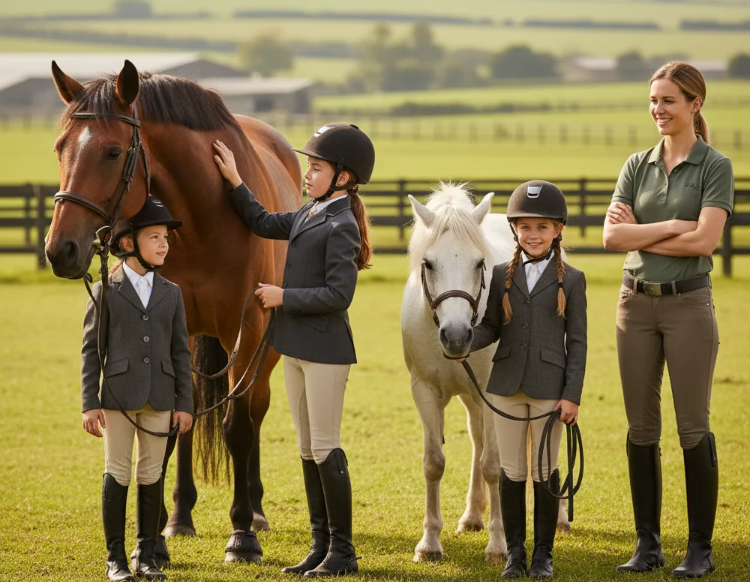
Seven changes everything. Physical strength arrives, and mental focus sharpens. This age window is the best starting age for independent riding. Children between seven and ten have what formal riding instruction needs: their bodies handle the horse's rhythm, and their minds process multi-step commands. Physical development for horseback riding reaches a key point around age seven, where core muscles hold the trunk stable on their own.
The attention span difference is significant. Unlike preschoolers who need constant engagement, seven-year-olds can focus for 20-30 minutes, allowing for real skill building. Emotional maturity for horse riding matters just as much; children need to handle small frustrations and understand cause and effect. This is also the time when many riding schools—who often source from a wholesale equestrian clothing provider—begin to transition students into group lessons.
At this stage, children move from lead-line help to real independence. They control the horse themselves, make decisions, and face natural results in a safe space. Age-right riding instruction shifts towards group lessons where peer learning happens. If you are running a riding program, ensuring you have a reliable equestrian clothing factory connection to supply uniform gear for these growing groups is essential. Parents should look for specific signs of readiness: interest in horses, basic coordination, the ability to follow three-step instructions, and reasonable fear management.
Ages 12+: Specialization and Advanced Training
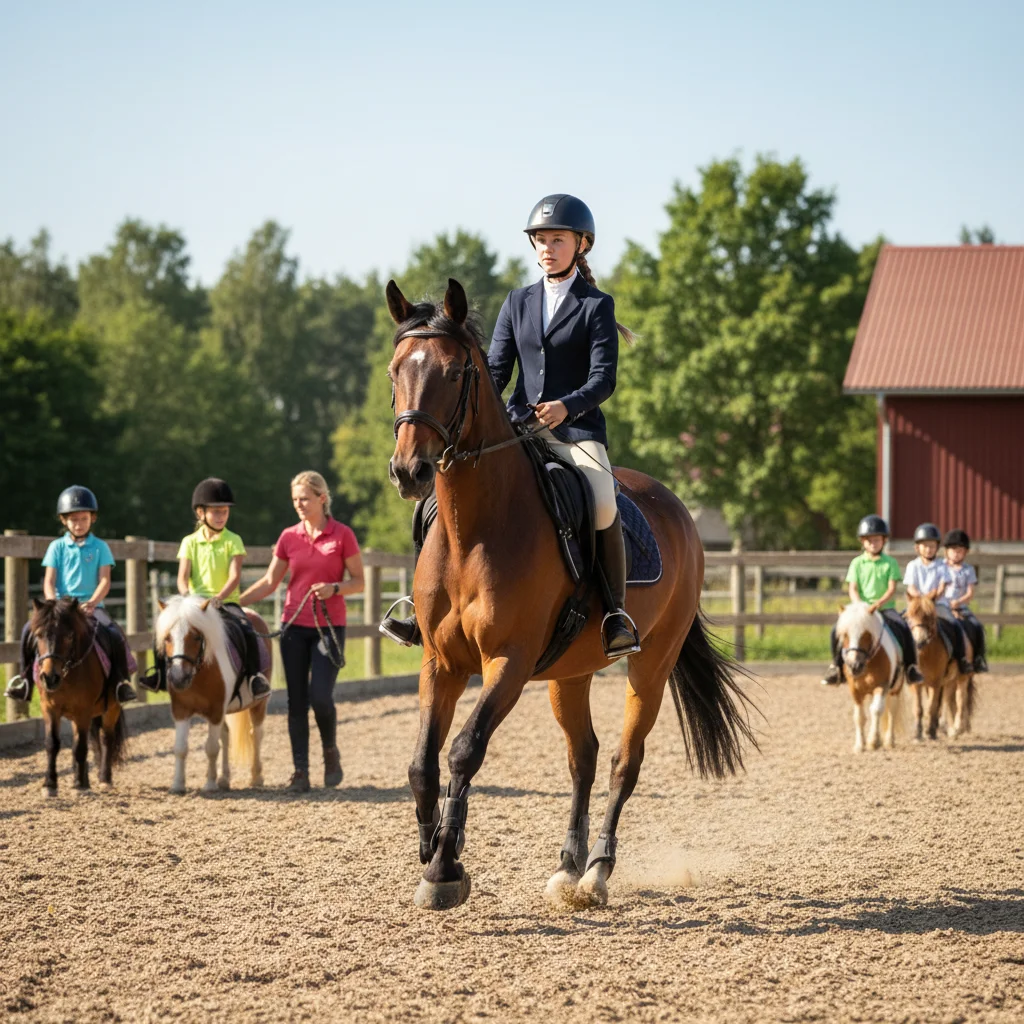
Teenagers arrive at the barn with a different energy. They are past the basics and want partnership with the horse. Twelve marks a turning point where bodies develop the muscle strength for posting that lasts and core stability for collection work. Mental ability becomes strategic; they don't just react, they plan. This age opens doors to specialized disciplines like Show Jumping, Dressage, Eventing, and Western disciplines.
Advanced training programs for this age group focus on refinement. Riders work on their own much of the time, and serious young riders may train three to five times per week. This is often when families invest in high-end custom equestrian clothing because appearance and performance fabrics matter in competition. Competition becomes a growth tool, teaching teenagers to manage nerves and handle results. As speeds increase and obstacles grow, safety protocols must evolve, often requiring specific gear like body protectors for jumping.
Teenagers also begin to balance horses with school and social lives. Participating in teams or aiming for scholarships can turn a hobby into a passion. Whether they pursue professional paths or ride for pleasure, the character built through horses—patience, grit, and empathy—remains for life.
Essential Safety Guidelines and Gear
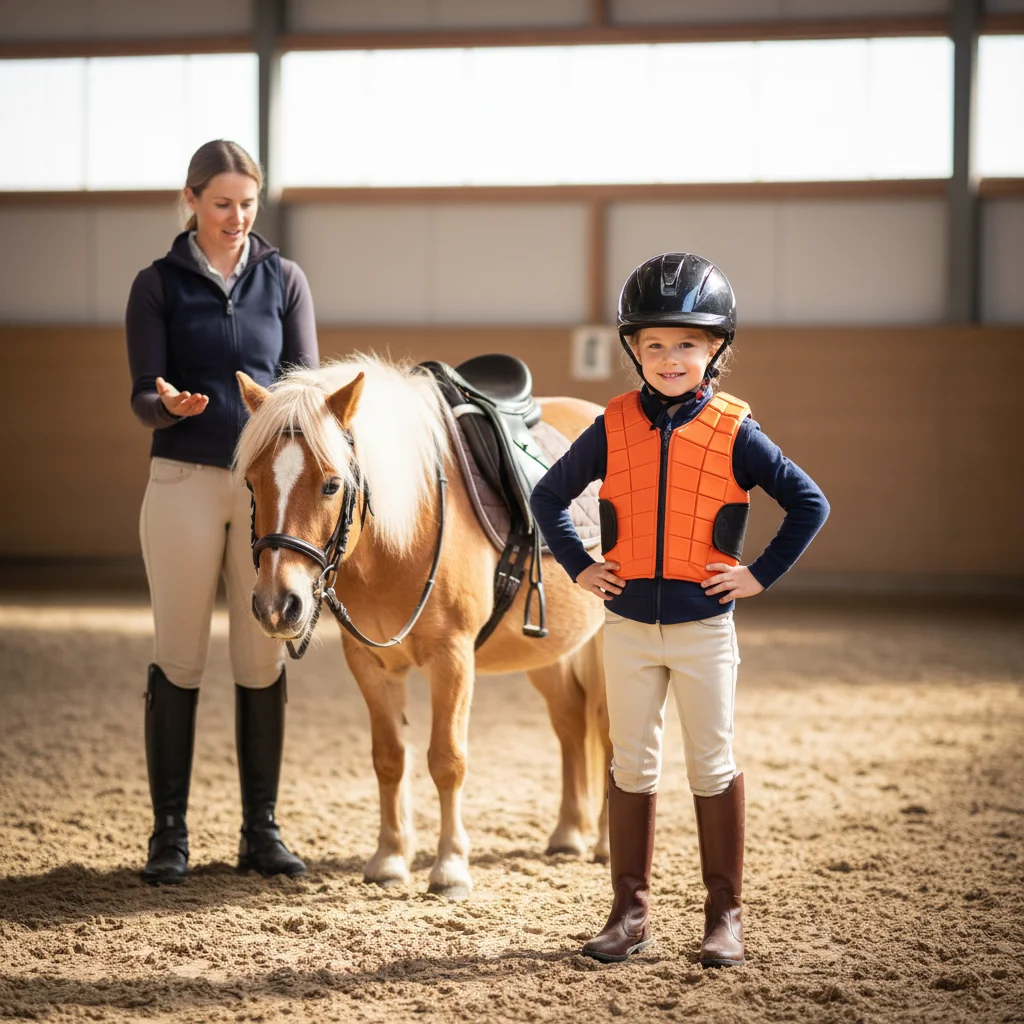
Safety equipment protects young riders from injuries that could end their journey before it begins. The right gear creates confidence; the wrong gear creates risk. Riding helmets for toddlers through teenagers must meet ASTM F1163 certification. This isn't a suggestion—it's the foundation of child safety on horses. Boots with a defined heel are non-negotiable to prevent feet from sliding through stirrups, and body protectors become essential as riders progress to jumping.
Parents and riding schools must rely on reputable equestrian clothing manufacturers to ensure safety standards are met. Poorly made gear can fail when needed most. Facility safety is equally important; check tack condition, arena footing, and fencing integrity. Age-appropriate riding instruction includes safety training in every lesson, teaching children how to check their own gear as they mature. Budgeting for replacement gear as children grow is critical—cutting corners on safety equipment creates risks that outweigh the costs.
Recommended Partner: RunEquestrian
Finding the right gear is just as important as finding the right instructor. Whether you are a parent looking for a durable starter kit or a riding academy manager needing wholesale equestrian clothing, the quality of the equipment directly impacts the rider's safety and comfort. This is where RunEquestrian stands out in the market.
As a premier equestrian clothing factory, RunEquestrian specializes in combining technical performance with modern style. They understand that a custom equestrian outfit isn't just about looking good in the ring; it is about freedom of movement and durability. For riding schools and retailers, they are one of the most reliable equestrian suppliers globally, offering extensive customization options that allow teams to brand their gear effectively.
Their product line covers everything from breathable practice wear to high-end custom equestrian clothing designed for top-level competition. By controlling the manufacturing process, they ensure that every stitch meets rigorous safety and quality standards. If you are looking to source custom equestrian clothing that grows with your child or your business, RunEquestrian offers the perfect balance of professional quality and practical design.
Avoiding Common Mistakes and Assessing Readiness
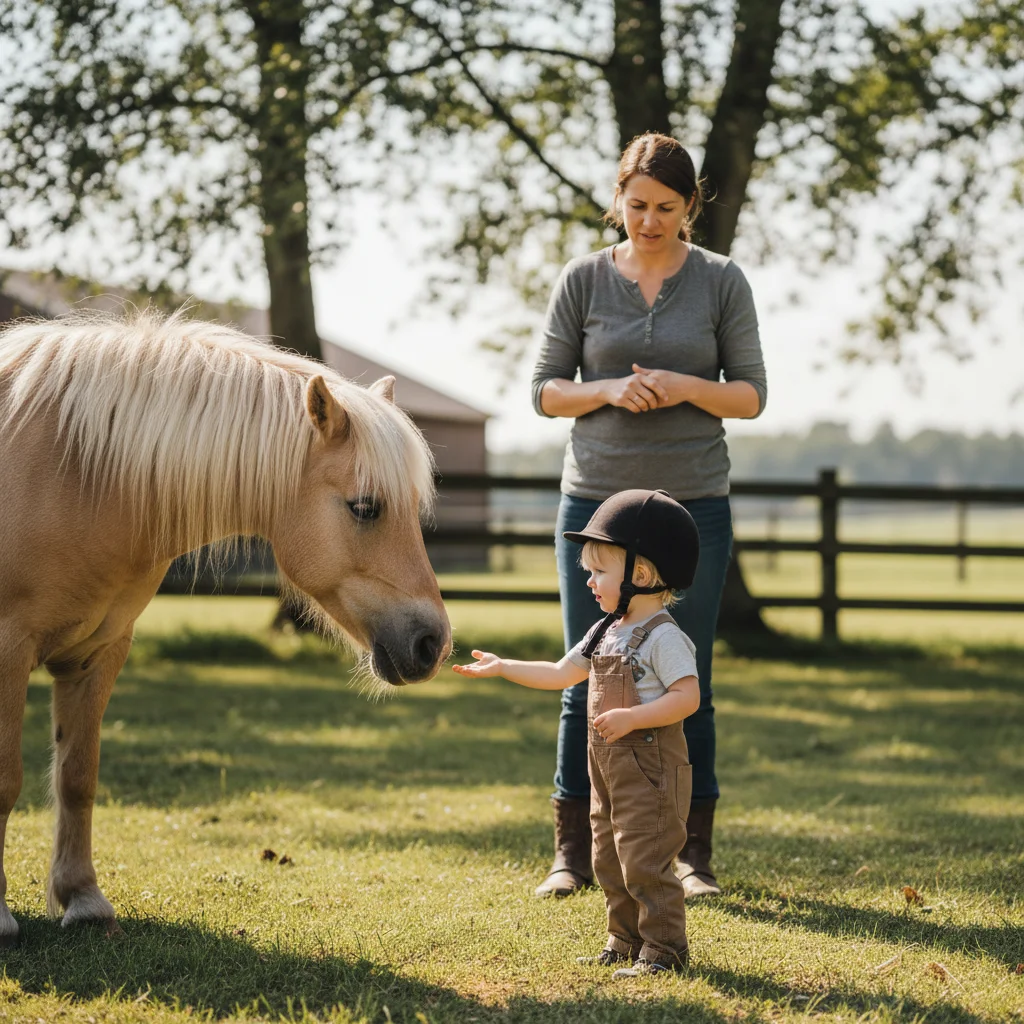
Parents often stumble over the same issues effectively deciding start times. The "Eagerness Trap" is common; scheduling formal lessons for a toddler who loves ponies from a distance often leads to frustration because they lack the physical core strength. Conversely, waiting too long can cause kids to miss the best starting age for independent riding (7-10), where fear hasn't kicked in yet. It is crucial to avoid the comparison game. Just because a neighbor's child started at five doesn't mean yours is ready.
Another major mistake is the "Safety Equipment Compromise." Budget worries make some parents cut corners, using hand-me-down helmets or sneakers. Always source from reliable equestrian suppliers to ensure gear meets current safety standards. Consistency is also key; beginner riding programs for children need at least one lesson per week to build muscle memory. Finally, don't assume skills transfer from other sports. A talented gymnast might struggle with the unpredictability of a horse. Assessment should be individual, looking at everyday coordination and focus rather than just age.
Conclusion
Starting your child's horseback riding journey isn't about hitting a specific age number on a calendar. It's about aligning their physical development for horseback riding with their emotional maturity. While ages 7-10 operate as the golden window for formal lessons, younger children can thrive with gentle pony rides, and teenagers can excel through focused discipline. The most important factor is patience and observation.
Investing in the right experience includes investing in the right equipment. Whether you are browsing equestrian clothing manufacturers for that first pair of boots or working with a partner like RunEquestrian for a complete custom equestrian outfit, prioritizing quality ensures safety and confidence. High-end custom equestrian clothing might seem like a luxury, but comfortable, well-fitted gear removes distractions and lets the child focus on the connection with the animal.
Trust your gut as a parent. Watch your child's coordination, listen to their questions, and don't rush the process just to keep up with peers. When the timing is right, and they are outfitted by trusted equestrian suppliers, the bond they build with horses will be one of confidence, respect, and joy.