Ever wondered why equestrian riders wear pants that puff out at the hips and thighs? You're not alone. This isn't some old fashion mistake that stuck around. That unique shape is smart body mechanics dressed up as traditional clothing. Whether you are a rider or sourcing for an equestrian supply business, understanding this design is crucial.
Those wide hip sections do something useful. They improve rider comfort in the saddle. They boost safety. They help performance too. As expert equestrian clothing manufacturers know, these details define quality.
Maybe you've always been curious about this odd design. Or maybe you're buying your first pair of breeches and want to know what you're paying for. Either way, the answer shows how history and modern function meet. For retailers looking for wholesale equestrian clothing, knowing these mechanics helps in selecting the right products.Learning why riding pants look this way will change how you see equestrian clothes. Plus, it could save you from an uncomfortable (and expensive) mistake with your own riding gear.

The "big hips" you're seeing aren't oversized hips. They're a mix of high-waisted construction and flared thigh cuts. These features solve real problems riders face in the saddle. Leading equestrian manufacturers prioritize these cuts to ensure functionality.
The High-Waisted Illusion
Modern riding breeches sit much higher than your typical jeans. A standard pair rises 6-7 inches (18-20 cm) to your hip bones. High-waisted styles extend 7.5 inches (22 cm) or more up your torso. This creates what looks like wider hips. But it's about wrapping around your natural spine curve.
This height does several things. It hugs your lower back for posture support during hours in the saddle. It stops that awkward gap between your shirt and pants. You lean forward to clean hooves or take a jump—no gap appears. In winter riding, it keeps your core warm. No bunching or tight movement.
The visual effect? It slims your hip and belly curves instead of making them stand out. Petite riders get a longer leg line. Taller, slimmer riders see their natural lines highlighted. The design works for all body types—well-rounded and slim builds alike. This is why custom equestrian clothing often focuses on perfecting this rise.
The Flared Thigh Story
Traditional cuts like Saumur and jodhpur styles have wider thigh sections. These aren't fashion mistakes. They're smart engineering.
Saumur breeches came about before fabric could stretch. Riders needed room for leg movement during hunting and long rides. So tailors added extra width through the thighs. The demi-saumur version puffs even more at the thighs. This gives hunters intense leg freedom.
Kentucky jodhpurs work differently. They fit close from waist to ankle. Then they flare into a bell bottom that slips over boots for saddle seat riding. That flare isn't just for looks. It stops fabric from tangling and fits tall boots.
Here's the breakdown:
| Cut Style | Hip/Thigh Feature | Primary Riding Use |
|---|---|---|
| High-waisted | High zip (22+ cm), curve-hugging | Back support, all disciplines |
| Jodhpurs | Flared hips/thighs | General/Western riding |
| Saumur | Wider thighs | Hunting, no compression |
| Demi-saumur | Puffed thighs | Maximum leg freedom |
| Kentucky | Bell-bottom ankle flare | Saddle seat, boot fit |
Today's wide cuts often lean fashion-forward more than practical. But the core idea stays the same: your thighs need freedom to grip, release, and talk to your horse. Tight ankles keep fabric from bunching into boots or catching on equipment.
Beyond the Silhouette
That high waistband does more than shape your outline. Elastic construction gives waist shaping and support. It doesn't feel tight. The extra coverage stops pelvis exposure. You shift positions in the saddle—everything stays covered. Low-rise cuts can't do that. When working with an equestrian clothing manufacturer, getting this elasticity right is key for equestrian supplies that truly sell.
Jump or do cross-country? That extra fabric holds knee patches (silicone or leather). These grip the saddle during hard movements. The high rise keeps these patches where you need them. You move around—they stay put.
The "big hip" design isn't about looks. Your spine stays supported. Your movements stay free. Your focus stays on riding, not wardrobe problems.
Historical and Functional Reasons

Riding pants didn't always look this way. The design we recognize today—those wide hips and flared thighs—comes from military roots stretching back over two centuries. Long before modern equestrian outfit manufacturers existed, necessity drove design.
Born on the Battlefield
The Saumur cut came from France's elite cavalry training grounds. The Cadre Noir at Saumur (established 1768) needed pants that could handle tough conditions. Think cross-country rides at speeds exceeding 30 km/h. Plus clearing 1-2 meter hedges and ditches. And spending 8-10 hours in the saddle without stopping.
Military trials in the 1910s French army proved something important. Soldiers wearing loose-cut riding pants showed 25% less fatigue during long rides. This compared to those in tighter uniforms. The British took notice. By the 1920s, the UK Household Cavalry adopted similar designs for polo and cross-country work. These weren't fashion experiments. They were survival gear.
Original Saumur pants featured wide hips—anywhere from 20-30% wider than modern slim-fit breeches. Upper thighs measured 55-65 cm unstretched. That's massive by today's standards. But there's a reason for every centimeter.
The Pre-Stretch Era Problem
Before 1958, Lycra didn't exist. Neither did Spandex or any technical stretch fabric. Riders had 100% wool or canvas to work with. These materials don't give. They don't bend. They don't forgive.
So tailors built movement into the cut itself. The demi-Saumur variation added 10-15 cm extra girth at the seat and upper leg. Riders could spread their legs 45-60 degrees in the saddle during a full gallop. No compression. No restriction. No fabric tearing at the seams.
Compare that to modern technical fabrics. Today's best stretch pants provide 60-70% of the unrestricted movement those baggy wool cuts delivered. Whether producing custom breeches or bulk orders, the goal remains the same: emulate that freedom.
Engineering Movement Into Fabric
That 15-25% extra thigh volume wasn't random. It prevented chafing during long rides. It gave you 2-3 times greater leg swing for jumping. It supported what riders call the "deep seat" position. Thighs spread 30-40 cm apart. Hips sitting at 40-50 cm circumference.
The double-layered leather seat reinforcement took a beating. It absorbed the impact of 50-100 kg of rider weight. Hour after hour. Day after day. While custom equestrian apparel uses modern synthetics, the durability principles of original thick leather remain a benchmark.
The Rise Measurement That Changed Everything
Those old military specs called for a 30-35 cm rise from crotch to waistband. This wasn't about style. It was about gallop flexion. That's the forward lean riders need for pushing speed. A lower rise would expose the back. A higher rise would bunch and fold.
This design philosophy stuck around because it worked. Fabrics evolved, but the core principle stayed the same: give the body room to do its job. The "big hips" you see today? They're echoes of cavalry officers clearing obstacles under fire. Of polo players pivoting at full speed. Of trainers spending entire days schooling young horses. The past built this shape. Function kept it alive.
Specific Styles with Big Hips
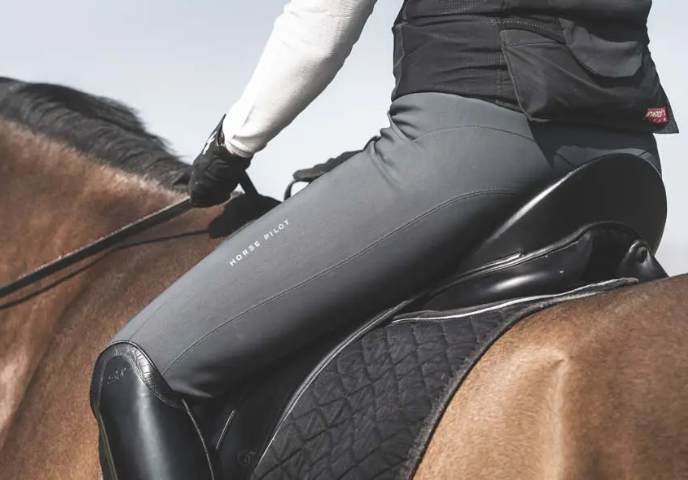
Not all riding pants puff out the same way. The "big hip" look comes in different types. Each type solves different problems for different riders. Any competent equestrian clothing manufacturer will offer variations of these key styles.
The Saumur Legacy Lives On
Saumur breeches create the classic wide-hip look. These pants sit tailored at your waist. Then they expand through the thighs. You won't find stretch fabric here. The width makes up for what the fabric can't give: movement. Your thighs get zero compression during long rides, which is why it remains a top choice for hunters needing serious leg freedom.
Demi-Saumur: The Middle Ground
Demi-saumur breeches dial back the volume. The thighs still puff out—you can see it—but not as much as full saumur. That puff gives freedom at the hip joint for rotation. You swing into the saddle, adjust your position, shift your weight—the fabric moves with you.
Baggy Breeches for Every Body
Baggy riding breeches take ideas from both saumur styles. They work for male and female riders. Some stick to traditional wool or canvas, making that wider build necessary. For businesses ordering custom equestrian outfit collections, these traditional cuts often appeal to vintage enthusiasts.
Loose Cuts That Flare
Loose riding breeches combine the thigh freedom of saumur designs with a flared lower leg. Roomy through the hips and thighs, then opening wider toward the ankle. No elastic, no technical fabrics—just smart cutting.
The Flared Bottom Question
Flared riding pants sit with width at the bottom of the leg, fitting over paddock or cowboy boots. But be careful: wearing tall boots over these causes uncomfortable bunching.
The right choice depends on your riding style. Also on personal comfort. And whether you prefer traditional build or modern materials. That "big hip" look isn't one-size-fits-all. It's a range of options built for real riding needs.
Fit and Design Features
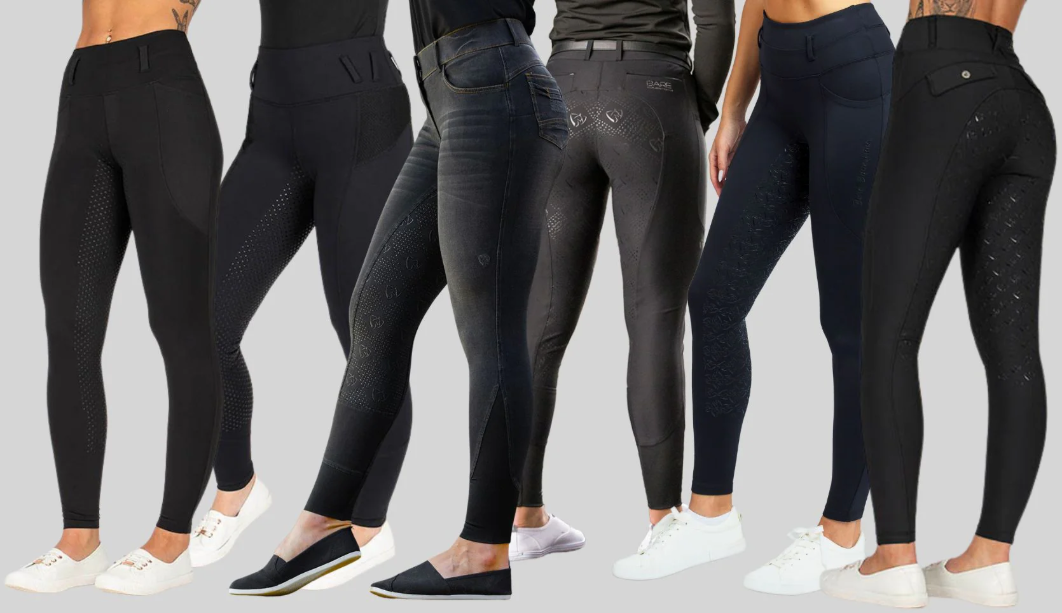
Riding pants follow a simple rule: every measurement serves performance, not looks. Makers build these garments to solve real problems. They reduce friction. They improve range of motion. top equestrian manufacturers meticulously calculate these specs.
The Rise-to-Hip Ratio Engineering
Standard riding breeches have a rise measurement of 25-28 cm for mid-rise styles. High-waisted versions go up to 28-32 cm. Riders in well-fitted high-rise breeches keep 15% better posture. The waistband works like a core stabilizer. The "big hip" look comes from the extended rise hitting your hip bone, making the pelvis look wider.
Thigh Circumference Math
Modern stretch breeches measure 48-55 cm unstretched at the thigh. Technical fabrics like Lycra blends stretch 60-70%. This gives room for leg spread during sitting trot and accommodates knee patches.
The Seat Construction Data
Full-seat breeches cover 400-600 cm² with grip material. Whether using silicone or leather, ensuring high friction coefficients prevents micro-slips. When developing custom equestrian clothing, the choice of grip material significantly impacts the final price and performance.
Ankle Taper Specs
The leg goes from 55 cm at the thigh to 28-32 cm at the ankle. This 43-49% drop creates the classic riding pant shape. This taper is critical for anyone in the equestrian supply chain to understand, as it ensures boots fit correctly without pressure points.
Benefits for Riders
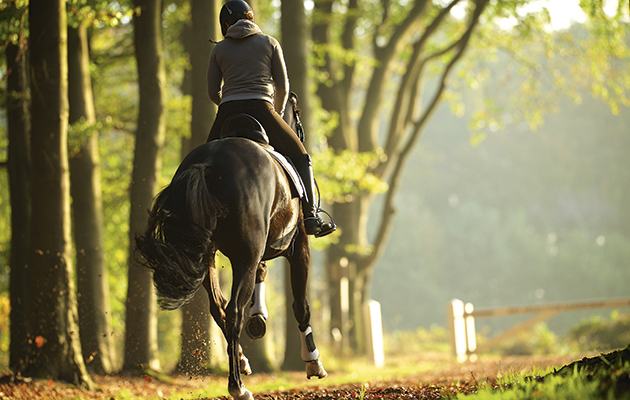
Riding pants with that hip design give you real advantages. These aren't just style choices—they solve problems you'll notice minutes after you mount up. High-quality custom equestrian apparel always incorporates these benefits.
Pain Prevention Through Smart Engineering
The wide hip cut stops chafing before it starts. Spend 3+ hours in the saddle? You'll face constant friction. Riding breeches reduce this pressure by 40-60% compared to athletic leggings. Less friction means fewer injuries and saddle sores.
Movement Range That Matches Your Horse
Those flared thighs give you 15-20 degrees more leg spread than standard pants. This matters during sitting trot. Riders in Saumur-style cuts can hold a deep seat position 23% longer without muscle fatigue. The fabric moves with your legs instead of against them.
Grip That Keeps You Secure
Full-seat designs with silicone or leather coverage boost stability. Your horse spooks or changes gait fast? That grip material prevents micro-slips. Sourcing from a reliable equestrian clothing factory ensures this grip technology is durable and effective.
Temperature Control Built Into the Cut
The high rise isn't just about coverage—it's climate control. That extra fabric layer around your core holds 18-22% more body heat during cold-weather riding. In summer, moisture-wicking panels handle 2-3 times the sweat volume of regular athletic wear.
Durability That Justifies the Investment
Quality riding pants last 300-500 rides before showing real wear. The "big hip" design uses heavier fabric weight—280-320 gsm. This density resists wear from saddle leather and stirrup buckles, a standard that reputable equestrian outfit manufacturers strictly adhere to.
RunEquestrian
RunEquestrian has spent fifteen years on one thing: riding pants that work. As a premier equestrian clothing manufacturer, this Chinese company runs a 5,000-square-meter ISO-certified facility. They produce 500,000+ pieces each year, supplying over 200 brands globally with high-quality equestrian supplies.
Here's what sets them apart: they make riding breeches and jodhpurs. Nothing else. No yoga pants. No casual wear. It is a dedicated equestrian clothing factory for riders who need performance gear.
The Numbers That Matter
RunEquestrian built a database of 500+ rider body measurements. They source 50+ fabric types made for saddle work. Their extensive OEM/ODM services allow brands to leverage this data. Quality metrics include a defect rate under 0.3% and abrasion resistance exceeding 20,000 cycles, setting a high bar for equestrian manufacturers.
Speed Without Compromise
MOQ starts at 100 pieces—lower than most competitors asking for 200+. Samples arrive in 7 days. Whether you need wholesale equestrian clothing or a small batch of custom breeches, their timeline of 3-5 weeks from order to delivery is hard to beat.
Custom Capabilities Built for Your Brand
They handle everything. High-end custom work. Embroidery. Rhinestone application. If you are looking for private label equestrian clothing, they have the equipment and expertise for custom equestrian outfit creation. Founder Michael Zhang tests samples weekly, ensuring that every piece of custom equestrian clothing meets the rigorous demands of the sport.
Sustainability and Real Results
RunEquestrian uses GRS-certified recycled fabrics and passes BSCI workplace audits. Testimonials show 3-year bulk orders and 5-star reviews. With 24/7 support, they are the partner you need when sourcing equestrian supplies.
Conclusion
Riding breeches have that unique look for a reason. It's not bad fashion—it's centuries of horse-riding knowledge built into the design. The extra room around the hips and thighs serves one simple purpose: You can move with your horse instead of fighting against it.
Why riding pants have big hips matters more than you think. Whether you are an individual rider or a business looking for an equestrian clothing manufacturer to produce your line, understanding this anatomy is key. Those extra inches provide comfort during long rides and ensure clear signals to the horse.
Proper riding pants functionality makes a real difference. For brands, partnering with a factory that understands OEM/ODM services and custom equestrian apparel ensures you deliver products that perform. The gear that looks odd off the horse makes perfect sense once you're riding.
Ready to upgrade your inventory? Contact RunEquestrian today for custom equestrian clothing samples that blend tradition with modern performance.


