Most horse owners will tell you the same thing — usually with a wild laugh: horses cost everything. And they’re not wrong. The hay bills, the farrier visits, the vet calls that always seem to land at 11pm on a holiday weekend. That’s just the reality.
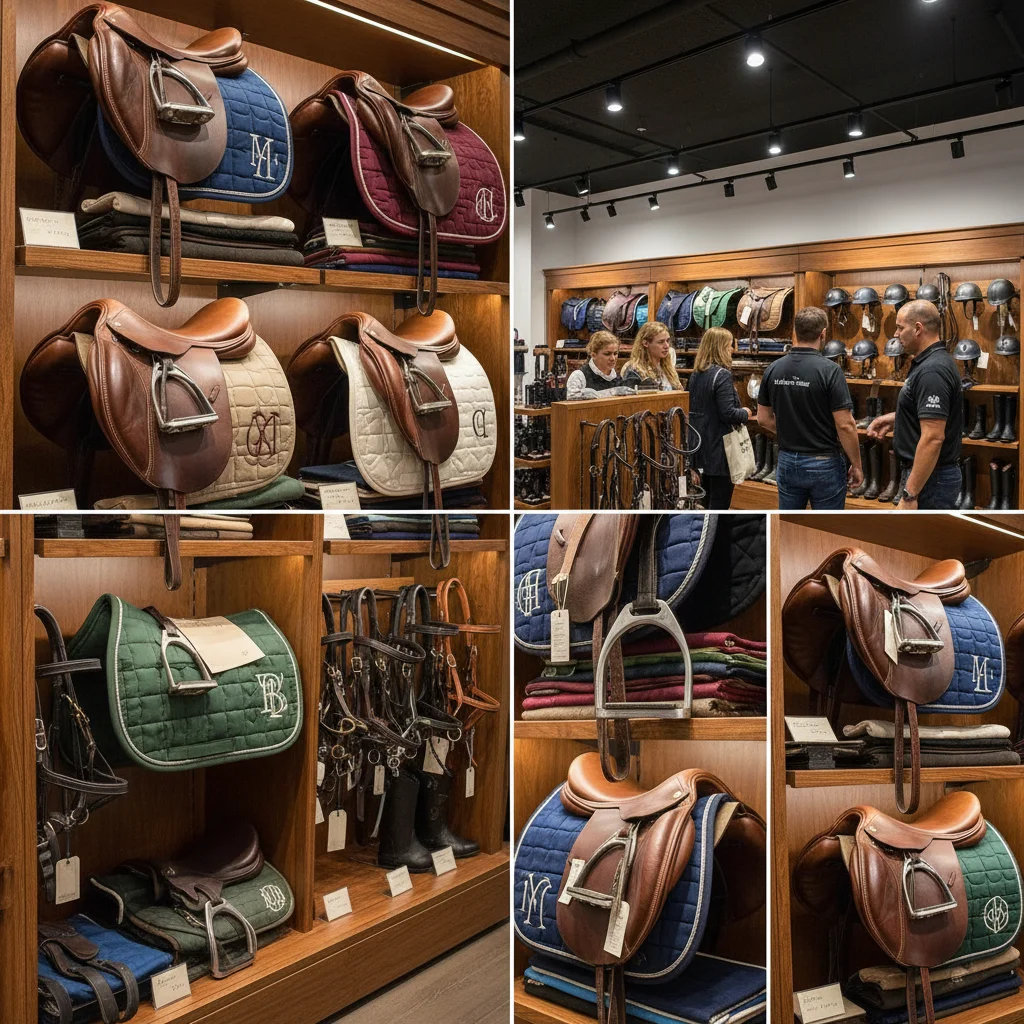
But here’s what nobody posts on the barn bulletin board: horse ownership can generate real income. More revenue streams exist than most people expect. Beyond traditional boarding, modern facility owners are tapping into retail, partnering with reliable equestrian suppliers or a specialized equestrian clothing manufacturer to build their own brand identity. You might already be paying for a paddock and wondering if boarding fees could cover some costs, or perhaps you’re visualizing a boutique farm shop stocked with custom equestrian apparel. Either way, the financial picture is more interesting — and more complicated — than a yes or no answer.
This guide breaks down what horse owners make across boarding, retail expansions, training, leasing, breeding, competition, and sales. Real numbers included.
What the Numbers Actually Look Like & What "Making Money" Means
The answer isn’t simple. Across 1.8 million U.S. horse owners, income varies a lot. About 34% of owners report household incomes under $50,000, while another 28% clear over $100,000 per year. The middle majority lands somewhere in the $25,000–$75,000 range. Here’s where it gets interesting: Stable owners running established operations can earn $150,000–$400,000 per year. One high-end example shows $560,000 in operating profit at 70% capacity, generated from $11 million in revenue. The catch is that expenses outpace revenue across the industry by 240%. That’s $2.88 billion spent against $1.17 billion earned. Per horse, operating and capital costs run about $10,457 per year. Income exists, but it requires serious strategy.
There’s a subtle split happening in the horse world. Two different types of horse owners exist, and which one you are shapes your financial reality. The first type is the personal owner. Horses are a lifestyle, an expensive, feelings-based decision where expenses mathematically outpace income by 240%. The median household income here sits around $60,000, and profit isn’t the point. The second type is the commercial operator. For them, horses become business assets you can depreciate. This means tax deductions, structured revenue strategies, and under current codes, even 100% Day 1 depreciation. The U.S. horse industry puts $122 billion into the economy each year, and commercial operators are capturing it.
- Horses as lifestyle, not business
- Expenses outpace income by 240%
- Median household income ~$60,000
- Profit is not the point
- Horses as depreciable business assets
- Tax deductions + structured revenue
- 100% Day 1 depreciation available
- Capturing share of $122B industry
Horse Boarding Business Income: The Most Scalable Revenue Model
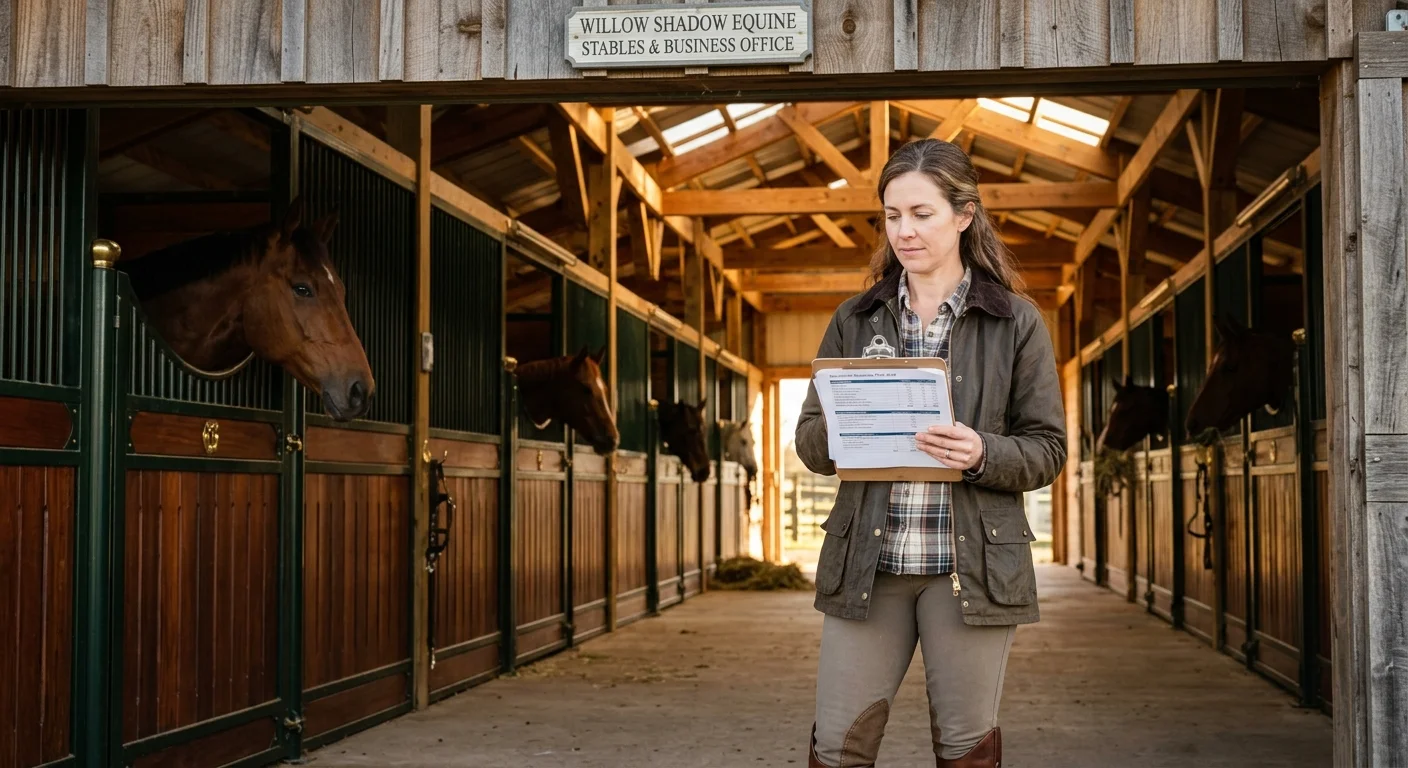
Boarding is the revenue model most horse owners stumble into by accident. The logic is straightforward: you already have the land and the know-how, and someone else needs that. A boarding operation that runs well can scale fast. Projected numbers for a modeled facility show Year 1 revenue of $1,086,000, climbing to $5,035,000 by Year 5, with EBITDA reaching $966,000. However, monthly operating costs run a steep $60,242. Fixed overhead eats $24,000 every single month before a horse even touches hay, and payroll adds another $23,042. Gross profit margin in the early years usually hovers around 5%.
Smart operators don’t lean on stall fees alone—they stack their income. They bring in $300 per retreat for facility leases, $50 for additional equine residents, and sell feed at a 100% markup. This is also where retail comes in. By sourcing gear from wholesale equestrian clothing distributors or a direct equestrian clothing factory, barn owners can sell tack and clothing for a solid 100% markup. Carving out retail space to offer private label equestrian clothing is incredibly lucrative. Add in 10% service commissions for visiting providers, equipment sales averaging $2,500, and standard 20% horse sale commissions, and the business begins to stabilize. Every extra equine resident drives proportional revenue growth across all these product lines. Miss your 100% lease occupancy or retail sales targets, though, and that fixed overhead becomes the loudest sound in the barn.
Horse Training and Riding Lesson Income
Horse trainer salary data is famously chaotic, with a gap running anywhere from $40,185 to $489,369. Standard lesson rates run $40–$100 per hour, putting full-time riding instructors at $30,000–$70,000+ per year, with the average landing around $41,600. Your specific role significantly changes your pay structure. Assistant Trainers generally see $35,000 to $55,000 a year, while Barn Managers earn $45,000 to $70,000, often with housing included as a major perk. Head Trainers pull in $60,000 to $100,000+ by relying on stacked income built from lessons, training commissions, and horse sales.
Geography also dictates earning potential. A horse trainer in San Jose, CA earns an average of $210,390 — completely eclipsing the national average. Urban and suburban instructors can legitimately price themselves 20–50% higher than rural counterparts. Experience naturally dictates hourly rates. Entry-level instructors typically charge $11 to $14 an hour. As reputation builds, a mid-level instructor’s rate climbs to $14 to $17. Head trainers easily command $20 to $27 or more per hour. To create a premium image that justifies higher rates, top trainers frequently outfit their teams in custom equestrian clothing. They collaborate with premium equestrian clothing manufacturers or specialized equestrian outfit manufacturers to ensure their students look pristine, adding both professionalism and margin to their business.
Horse Leasing Income: Earning Passive Revenue
Leasing your horse is the closest thing to passive income a barn can offer. A full lease generally brings in $500 to $1,200 a month, historically calculated at around 30% of the horse’s market value per year, with the lessee picking up 100% of all expenses. A half lease nets $150 to $600 a month per rider. Short-term show leases earn about $100 a day, while a care lease provides no direct cash fee but saves the owner $5,000–$15,000/year in upkeep costs. Training level heavily dictates this market. A well-trained dressage horse can bring in $600 to $2,000 a month, while hunter/jumpers fetch $800 to $1,500. Barrel racing horses range from $500 to $1,200, trail horses sit between $300 and $700, and children’s ponies usually lease out for $150 to $400.
A well-presented horse commands higher fees. In exclusive circles, owners sometimes provide a bespoke custom equestrian outfit alongside the horse—sourced from top equestrian manufacturers—as part of a high-end show lease package. Legally, leasing is serious business. At minimum, owners must require lessees to carry equine liability insurance. Written contracts must clearly spell out permitted activities, specify named riders, and designate who authorizes vet care. You must establish a strict farrier schedule, outline injury liability allocation, and include a non-negotiable 30 to 60-day termination clause. Properly structured, leasing drastically offsets boarding and vet bills, sometimes tipping into pure profit.
Breeding, Competition, and Sales: Navigating the Risk
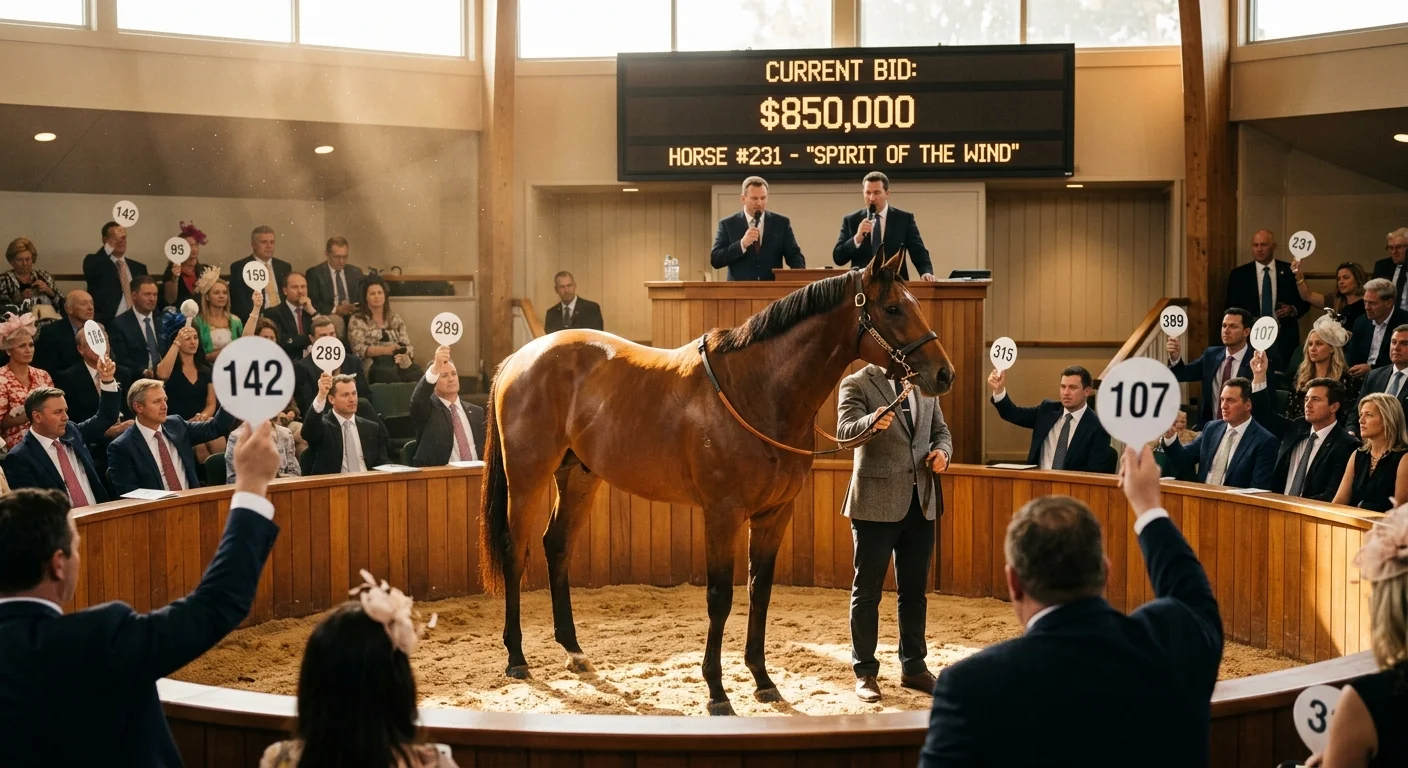
Breeding is essentially gambling with a 1,200-pound slot machine. The U.S. breeding industry generates $1.5 billion in revenue each year, and Thoroughbred racing adds $36 billion in direct economic impact. The heights are staggering—the Keeneland September Sale moved 2,735 yearlings sold for $411.8 million gross, averaging $150,548. However, the reality is that the majority of Thoroughbred breeders operate at a loss, and only the top 5% of National Hunt foals turn a profit. Scale determines survival: small operations frequently lose money, while large consolidated farms handle the volume. Stud fee economics are equally ruthless; a stallion with a $5,000 fee might only generate modest progeny returns unless heavily backed.
Competition earnings present a similar dynamic. While the Winter Equestrian Festival carries a $16.55 million total purse including a $1,000,000 Rolex Grand Prix, and Spruce Meadows once offered a $5 million CAD single-day purse, that money isn’t easy to reach. Local jumper events offer $2,500 to $10,000 top prizes that barely cover $10,000–$50,000 travel costs. National events offering $15,000 to $116,100 allow for break-even potential, but true profit only exists at the FEI International level. However, riding at this tier opens massive branding avenues. Savvy riders utilize OEM/ODM services to develop and market high-end custom equestrian clothing to their followers, converting showring exposure into retail dominance.
When it comes to selling horses, the "buy-low-train-sell" model can work, particularly with claiming horses. Day 1 involves buying a claiming horse for $10,000. On Day 2, a 100% first-year depreciation returns roughly $3,700, dropping your real risk to $6,300. Six months of training might cost $6,000, but if offset by $7,750 in race earnings, your net capital at risk shrinks aggressively. Sire selection matters immensely. During recent mixed sales, a single horse from Gunners Special Nite brought in a staggering $90,000, while horses by lesser-known sires averaged under $5,000. Profit exists, but it heavily rewards careful breed and training selections.
Horse Owner Income vs. Costs & FAQs
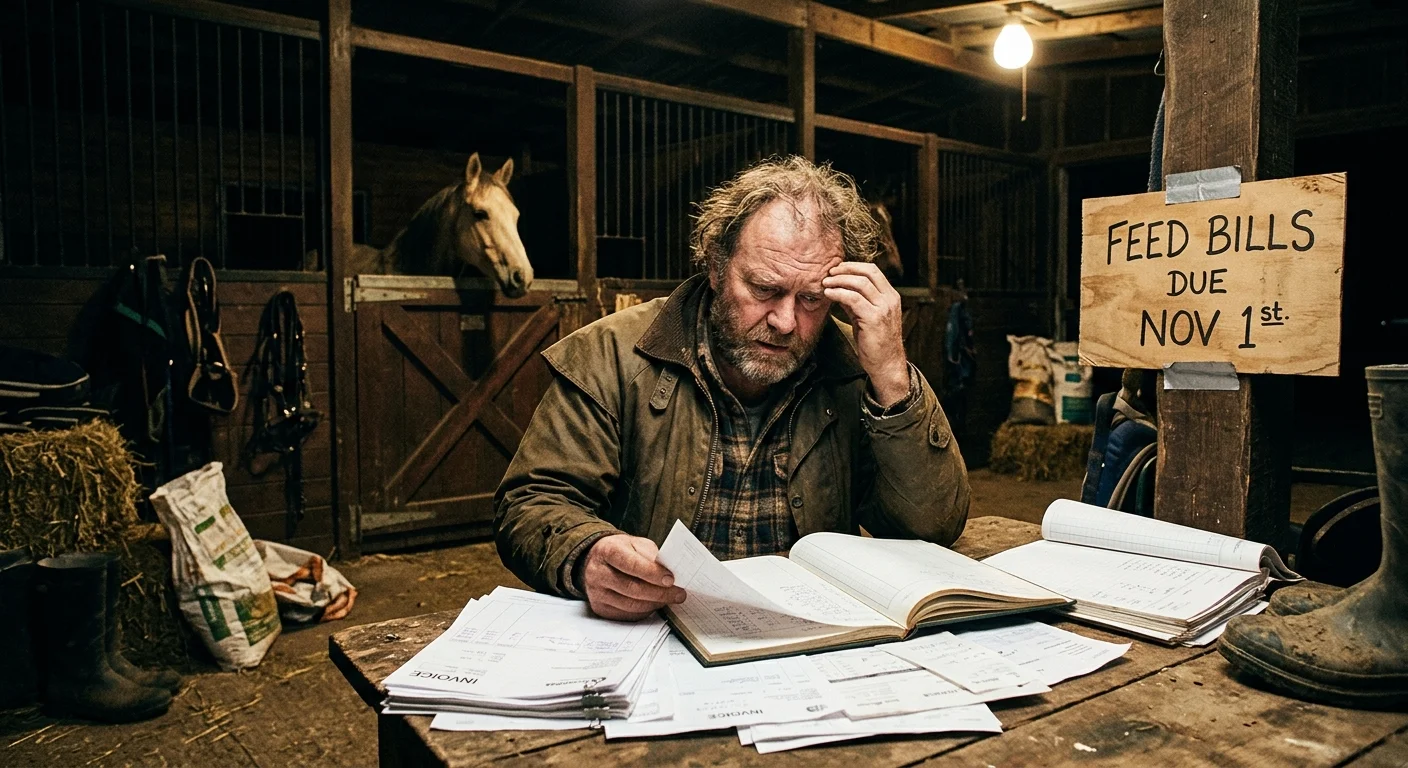
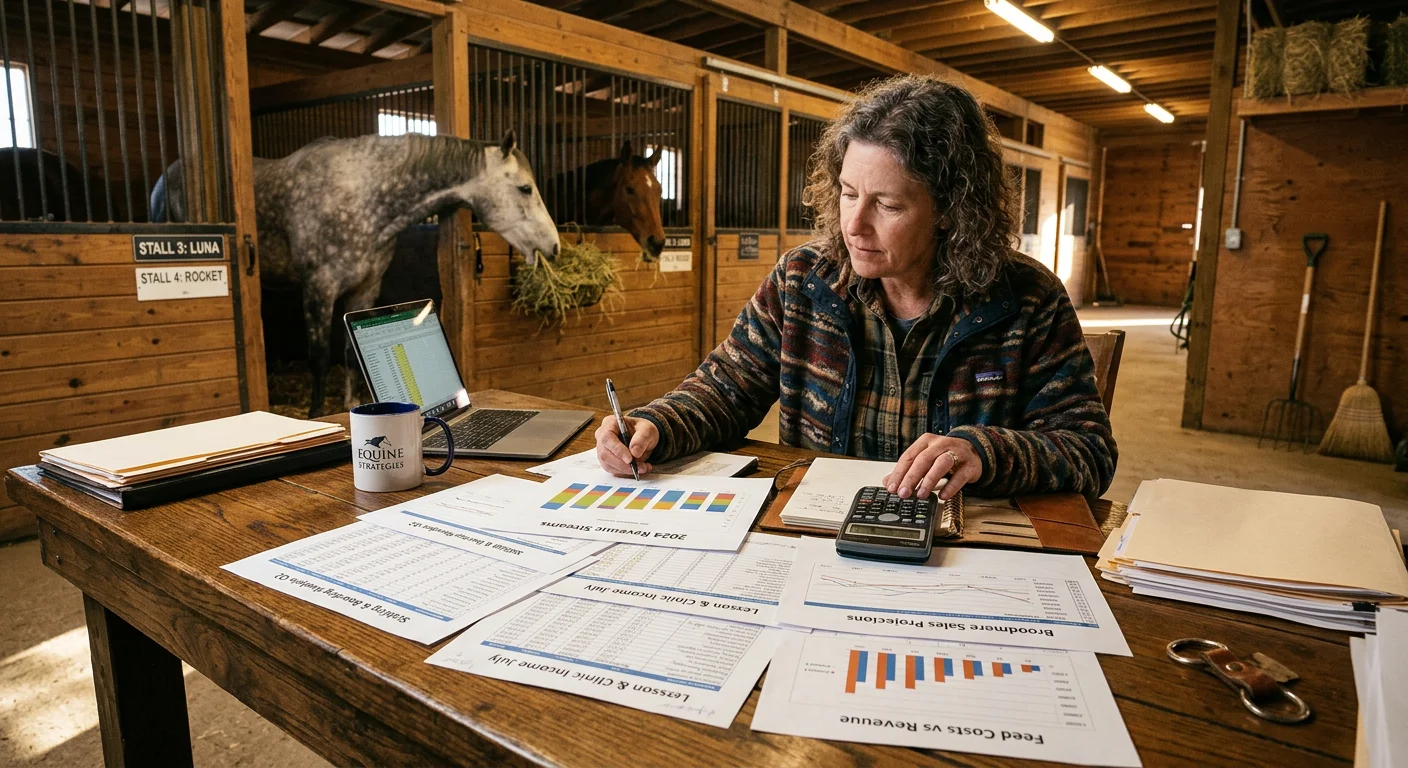
The spreadsheet doesn’t lie. Most owners find out that actual costs run 3 to 4 times higher than expected. A pastured horse carries a basic annual cost of $8,600, rising to $11,538 with activities. Recreational horses hit $16,460, and competition horses require a brutal baseline of $26,000, frequently escalating to $36,851 annually. Spread across 25 years, a competition horse can cost upwards of $1,000,000. Monthly outflows for feed, board, healthcare, and grooming easily range from $250 to $2,500.
Conclusion
Owning horses will not make you effortlessly rich, but it absolutely can make you less broke. The gap between horse owners who burn cash and those who turn a profit isn’t luck -- it’s purposeful business strategy.
Here’s the truth nobody posts on the barn door: owning horses will not make you effortlessly rich, but it absolutely can make you less broke. With the right mix of boarding income, training fees, leasing deals, or expanding your facility’s retail presence, the business can pay for itself.
The gap between horse owners who constantly burn cash and those who turn a profit isn’t luck. It’s purposeful business strategy. Whether you’re filling stalls with premium leases or partnering with a trusted equestrian clothing factory to sell merchandise, diversifying your income is crucial. Launching custom equestrian apparel by utilizing OEM/ODM services from seasoned equestrian outfit manufacturers can comfortably bridge the gap during slow winter months. Pick one income model from this guide—just one—and spend the next few weeks seeing if it fits your specific property and capacity. You deserve to run an equestrian business that pulls its own weight.