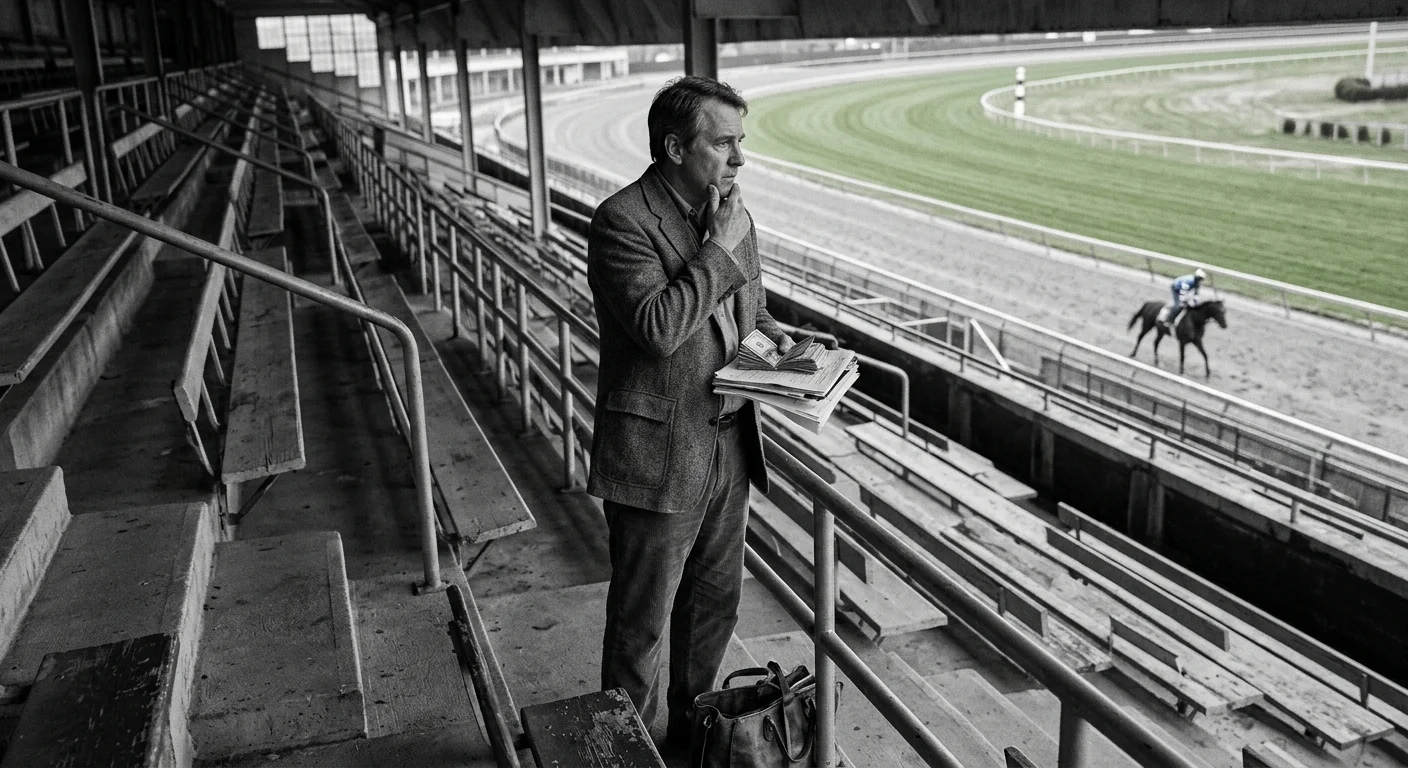
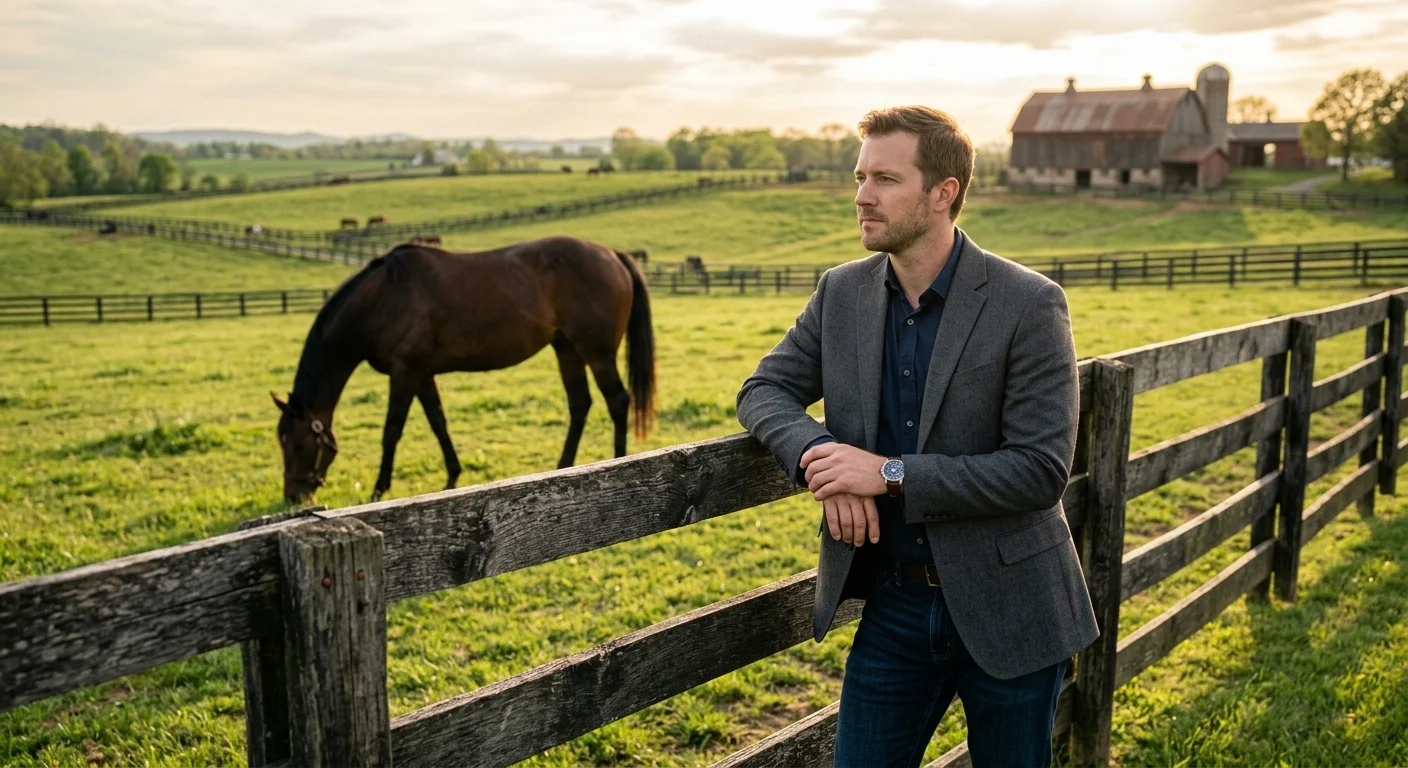
Let's be brutally honest: keeping a horse in the UK involves a tremendous financial commitment, generally costing upwards of £5,000 a year. That's before you even factor in surprise vet bills, routine farrier visits, or an unexpected injury that ends up wiping out your entire competition season. For the vast majority of horse owners, that intense financial pressure never truly goes away.
 YouTubeYouTube video player
However, there is an entirely different side to the industry that is rarely discussed out in the open. Your horses, your accumulated riding skills, and even your stable yard can generate real, consistent income. We aren't just talking about making enough to occasionally cover your feed costs—we're talking about generating enough revenue to turn a substantial profit. For ambitious entrepreneurs, scaling these ventures often leads to collaborating with premium equestrian suppliers and equestrian outfit manufacturers to build standalone businesses.
You see, there are significantly more legitimate paths to making money from horses in the UK than the average person might expect. You could launch a highly structured horse livery business, or you could charge for your riding expertise. Alternatively, you might decide to tap into modern, highly scalable income streams like digital content creation, equine-assisted therapy, or launching your own brand alongside reliable equestrian clothing manufacturers. This guide breaks down exactly how each of these monetization models works.
The Real Cost of Keeping a Horse in the UK (And Why Monetisation Matters)
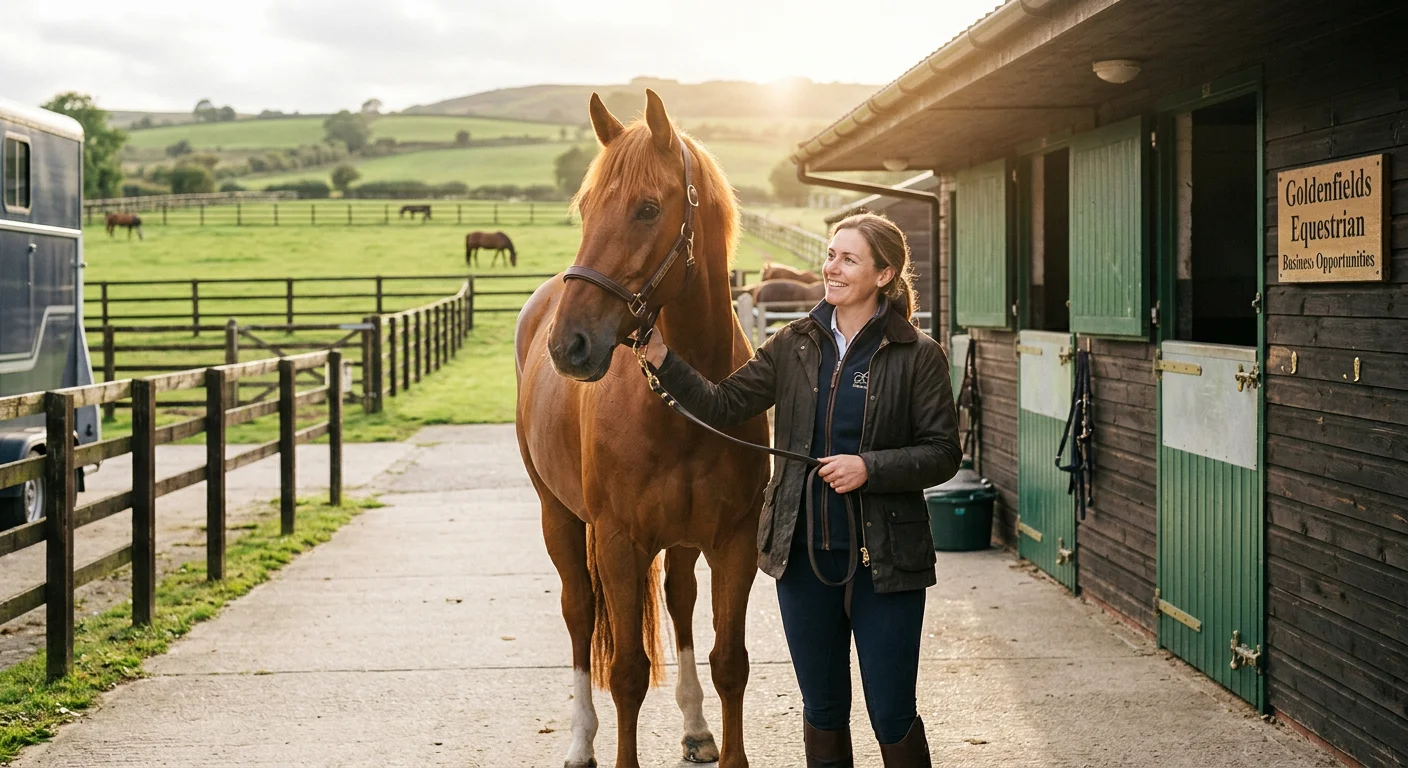
The numbers surrounding equine care are blunter than most people expect. Under entirely normal circumstances, keeping a single horse in the UK costs anywhere from £2,856 to over £12,000 per year. If you are aiming for full livery in premium counties like Surrey or Hertfordshire? You're easily looking at £1,200+ per month—and that's before a single unexpected vet bill lands on your doormat.
When you break down these costs across various ownership scenarios, the financial weight becomes incredibly clear. A minimal setup like barefoot field livery will run you roughly £238 monthly, translating to a relatively manageable £2,856 annually. Upgrading to a mid-range part livery scenario where the horse is shod increases that monthly outlay to £374, resulting in an annual cost of £4,488. Yet, for those demanding full livery alongside professional care, the monthly demand soars between £831 and £1,061, pushing the annual expenditure to an eye-watering £9,972 to £12,732.
Beyond the fundamental livery fees, recurring expenses add up shockingly fast. Farrier visits alone run £360–£1,200 per year. When you start factoring in feed, essential equestrian supply purchases, comprehensive insurance, dental care, and routine vet checks, the average owner's annual spend invariably pushes well past the £6,000–£10,000 mark. That undeniable financial reality is why discussions around horse riding income UK and lucrative equestrian side hustles are no longer reserved for a niche crowd. They are essential survival strategies for modern owners.
Run a Livery Yard: Turn Your Stables Into a Monthly Income Stream
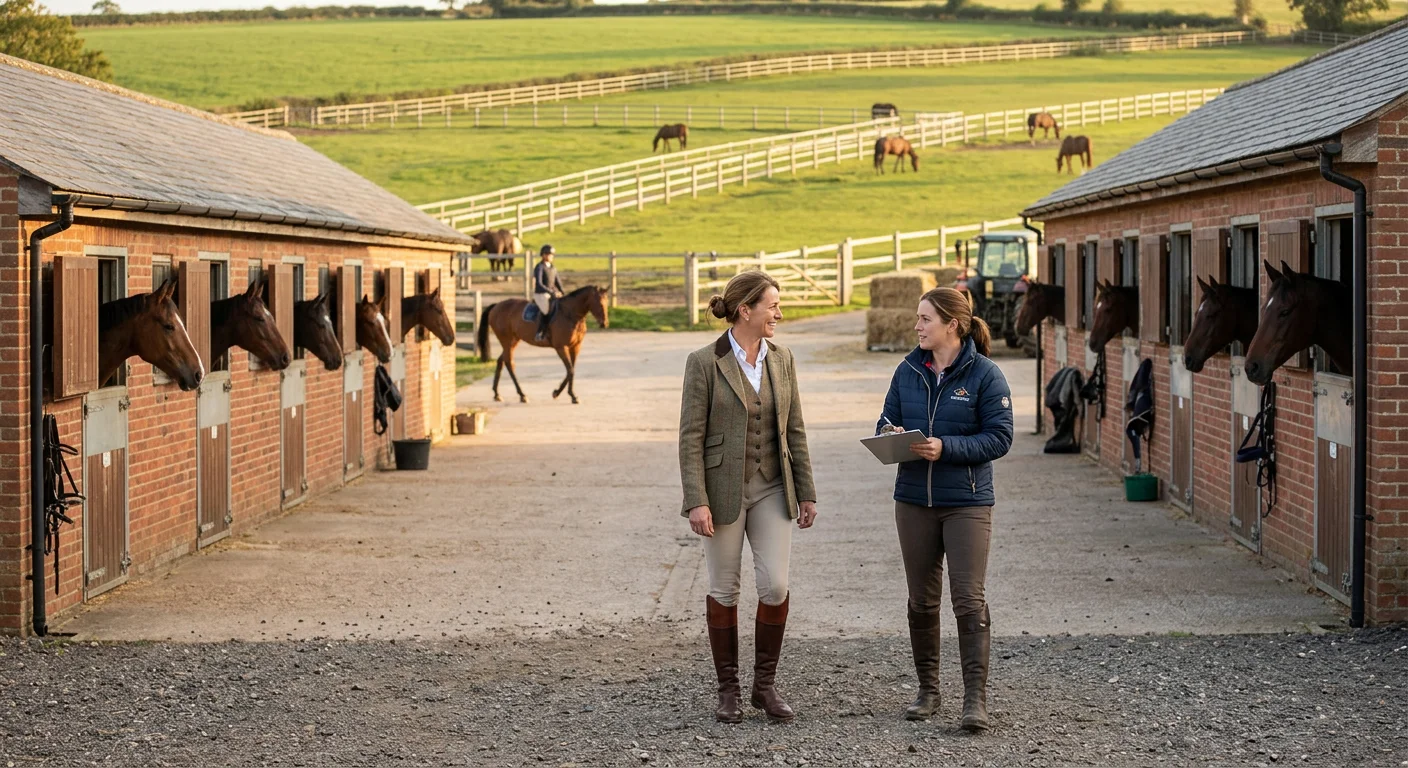
Operating a well-run livery yard consistently ranks among the most reliable income streams within the UK equestrian world. If you already have access to stables, you're actually closer to launching a business than you might assume. The core model is remarkably simple: horse owners pay you a set fee each month to house—and sometimes completely care for—their animals.
Your ultimate income comes down to which tier of livery you decide to offer. Providing a DIY Livery setup typically yields £200 to £300 a month per horse for essentially just stable space. Stepping up to Part Livery, which includes aspects like feeding and turnout once or twice daily, brings in £300 to £400. Full livery pays more, but it demands far more from you, usually charging £400 to £500 or more in exchange for complete care, grooming, and vital vet coordination. DIY livery naturally represents the easiest place to start, as you simply provide the infrastructure while the owner handles the physical labor.
Let's look at what a real five-horse yard actually earns. Running five horses at full livery capacity generates roughly £2,500 a month in gross revenue. Once you subtract feed, bedding, utility bills, part-time labor, vet coordination, and insurance, you're realistically left with around £700/month in pure profit. While that specific figure won't change your life overnight, the model scales beautifully. Expanding to ten horses can double that profit without subsequently doubling every single overhead cost. Additionally, many forward-thinking yard owners enhance their professional image by sourcing branded uniforms from wholesale equestrian clothing providers, instantly elevating the yard's aesthetic and justifying premium livery rates.
Before you even think about taking on your first client, you must secure BHS-compliant facilities, including rubber-matted stalls, carefully placed fire extinguishers, and meticulously positioned manure heaps. Comprehensive public liability insurance offering a minimum of £5m in coverage is paramount, typically running £500–£2,000 annually. Most critically, you need ironclad written contracts outlining advance payment terms and firm liability boundaries to prevent disputes.
You also cannot afford to let winter weather kill your margins, as vacancy rates typically drop by twenty to thirty percent during colder months. The smartest strategy is fighting back with annual price-lock contracts that reward year-round commitment. Extra revenue can be sourced right from what you already possess—charging £20 an hour for arena hire, exercising horses for £30 to £50 weekly, or renting out essential storage space. Partnering with equestrian manufacturers to retail branded merchandise to your boarders is another subtle yet powerful revenue booster. Livery ultimately rewards those who think structurally and review their margins consistently.
Teach Horse Riding Lessons: Build a Freelance Instructing Business
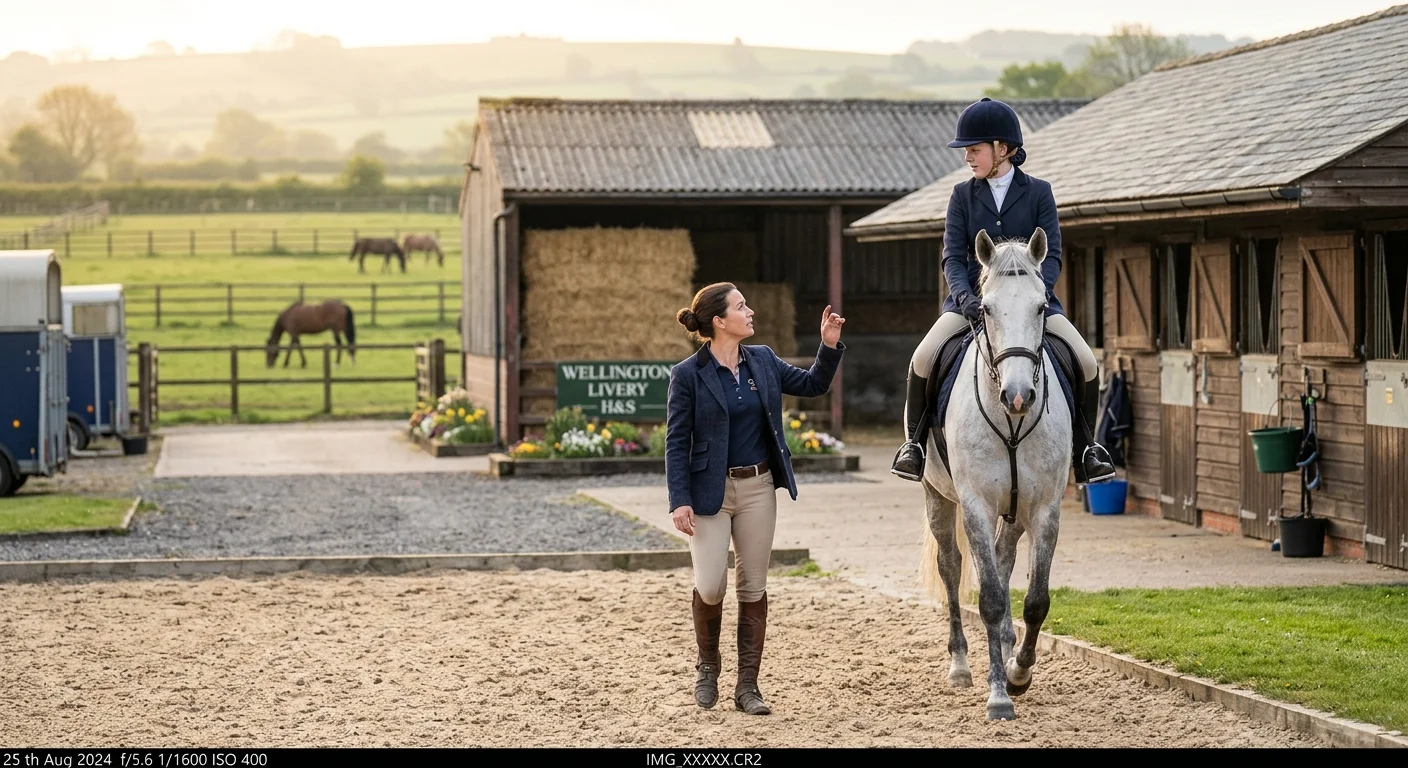
Working as a freelance riding instructor in the UK empowers you to earn a solid £30–£50 per hour. If you manage to run just twenty sessions a week, you're looking at a deeply realistic £30,000–£60,000 per year—all managed on your own highly flexible schedule, with absolutely no boss hovering over your shoulder. When you compare this earning potential against an employed coach who typically faces a fixed £20k to £40k salary with rigid shifts, the freelance advantage of unlimited scalability becomes instantly obvious.
First and foremost, you need to get properly qualified. The BHS Coaching pathway remains the absolute gold standard in the UK. Setting realistic timeline expectations is critical: Stage 1 requires roughly six to twelve months of prep alongside a few hundred pounds in fees. Stage 2 takes up to eighteen months while demanding over a hundred logged teaching hours, and Stage 3 requires a massive portfolio with extensive fees. In total, budget around £1,500–£3,000 in fees plus your annual membership. It’s a genuine investment, but if you skip the credentials, reputable yards simply will not hire you.
If you don’t have your own arena on day one, don't panic. You can effortlessly partner with a local yard by proposing a highly transparent 50/50 revenue split. Present yourself sharply by bringing your own public liability insurance and confidently guaranteeing a minimum block of monthly lessons. Creating pricing packages that actually convert is the next hurdle. Generally, private hour-long sessions command £40 to £60, whereas group sessions of two to four riders sit at £25 to £40 per head. Introductory trials at a discounted £20 to £30 are fantastic for hooking new, long-term clientele.
As an instructor, your personal presentation acts as a non-verbal marketing tool. Successful coaches understand the value of investing in custom equestrian apparel. By collaborating with a specialized equestrian clothing manufacturer to design bespoke, branded jackets and breathable polos for your lessons, you project an undeniable image of elite professionalism. To fill your newly branded schedule, leverage platforms like Instagram. Posting organic behind-the-scenes content three to five times a week and directing your followers to an automated booking tool can easily yield five to ten solid inquiries every single month.
Buy, Train and Sell Horses for Profit: The Dealer's Playbook
Horse dealing is fundamentally one of the oldest continuing trades in Britain, yet it remains one of the most widely misunderstood. Conducted correctly and ethically, it transforms into a highly legitimate horse training business UK model that richly rewards boundless patience, deep horsemanship, and razor-sharp commercial instincts. Executed poorly, it will undoubtedly cost you significantly more than just money.
The core business loop seems deceptively simple: acquire an undervalued horse, improve its physical and behavioral attributes through dedicated training, and flip it for a much higher price. Trainers frequently earn a 10–25% commission on the final sale price. On an £8,000 horse, that nets you between £800 and £2,000 per transaction. However, the true margin strictly lives in the minute details. Because a six-month training period rarely covers the sheer cost of maintenance, you must purchase the animal well below market value right from the start.
It’s vital to recognize that not every horse acts as a viable dealer prospect. Age and temperament dramatically dictate market demand; solid, deeply experienced horses sell remarkably faster to nervous or novice buyers than heavily reactive, hot-blooded breeds paired with heavy-handed riders. Factoring in competitive records, pristine bloodlines, and flawless health are non-negotiable steps. To guarantee long-term survival, operate with maximum legal transparency. Document absolute commission rates, your specific advertising expenditures, and client sourcing methods deeply in writing. This unshakeable transparency bolsters your broader horse breeding income and trading reputation, compounding naturally over the years.
Horse Breeding in the UK: High Investment, High Reward
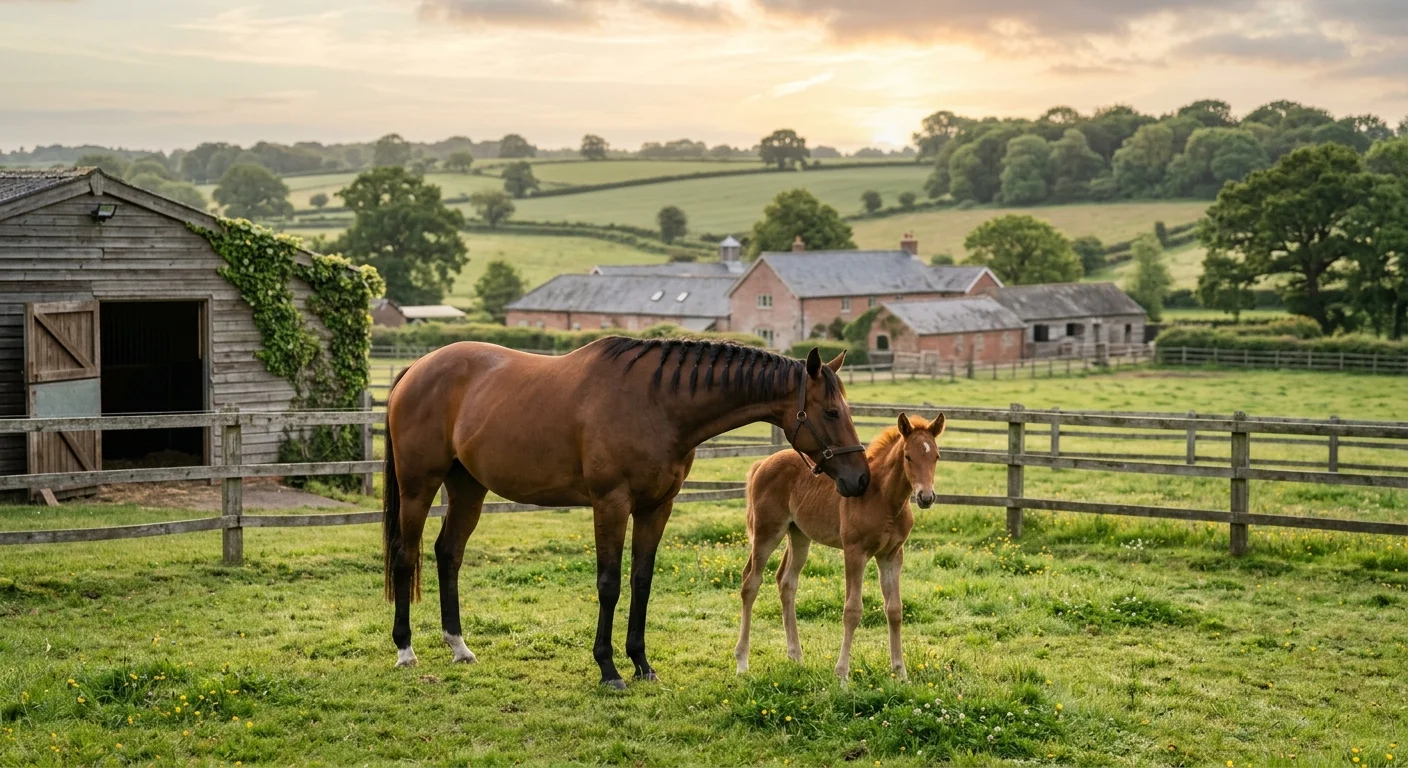
Delving into horse breeding is inarguably the most intensely capital-intensive maneuver within the equestrian domain. Simultaneously, it holds the potential to be incredibly rewarding if you meticulously plan your entire approach. Long before a healthy foal ever hits the ground, you are already deep into five figures of expenditure.
A highly realistic cost breakdown for carefully bringing a premier sport horse to a backing age of roughly three years highlights the sheer scale of the investment. You must allocate around £1,400 for stud fees and AI collection, £960 for exhaustive mare pregnancy vet care, and £3,240 just to keep the mare for a year. Combining foaling fees, rigorous post-birth veterinary checks at £624, necessary documentation and DNA testing at £150, alongside an indispensable three years of foal keeping at £7,500, brings the grand total of a straightforward case to an intimidating ~£14,198. Stretching this framework to a four-year, competition-ready mark balloons that figure to £12,500–£16,700—all before the young horse has accomplished a single thing to earn a return.
The core margin in high-level breeding isn't rooted in producing sheer volume; it is entirely about exquisite selection. Premium sport horse sire fees span drastically from £500 to £4,500. Artfully pairing your mare with a dynamically proven bloodline using modern AI logistics accelerates the potential sale ceiling of the resulting foal. Ultimately, breeding profoundly rewards patience while punishing impulsivity. It requires considerable upfront capital and a crystal clear exit strategy formulated well before any stallion is ever booked.
Compete and Win: Turning Equestrian Sport Into Prize Money and Sponsorships
Prize money embedded within UK equestrian sport is certainly a tangible reality, but let's be realistic—it rarely covers what it actually costs to relentlessly compete at top levels. While prestigious events like Badminton offer a monumental £100,000 top prize and Burghley pays a staggering £88,000 to its ultimate winner, the vast majority of national-level riders find themselves spending £30,000–£50,000 per season solely on complex travel logistics and soaring entry fees.
When you dissect the seasonal tiers, local and regional circuits demand an annual investment of £10,000 to £20,000, requiring a punishing five to ten podium finishes merely to break even. Advancing to national stages pushes necessary podium appearances to fifteen or twenty. Achieving profitability through competitive placements alone is basically an agonizing uphill battle. Truthfully, sponsorship is where the real income lives. Start your intense brand outreach six to ten months early, targeting comprehensive presenting packages.
You don't necessarily have to deliver elite Olympic results to capture the attention of lucrative sponsors. Competitors boasting just 5,000 active social followers frequently land lucrative partnerships with equestrian clothing manufacturers or secure comprehensive custom equestrian outfit deals that massively offset their operational costs. Exchanging digital exposure for premium equestrian apparel or taking home in-kind gear can systematically eliminate a huge chunk of your seasonal budget. Crucially, a top finish at a prominent national event typically triggers a massive spike in lesson inquiries. Many savvy riders leverage their competitive exposure strictly as a marketing asset, pulling the majority of their income through resulting teaching demands.
Professional Grooming, Training, and Under-the-Radar Hustles
Lacking vast property or extensive BHS qualifications doesn't have to bar you from the industry. Professional horse grooming stands out as an incredibly low-barrier entry point into highly reliable equestrian freelance work. Highly experienced grooms can comfortably charge £10–£15 per hour for general yard upkeep, while transitioning into highly specialized, intensive competition grooming can easily yield you £25–£50 per visit. Developing a steady roster of five to eight clients transforms this into a highly profitable horse grooming business.
Similarly, launching a dedicated horse training service—where you get paid handsomely to exercise and properly educate other people's problematic horses—can yield £20–£50 per intensive session. Securing those first crucial clients is largely about providing compelling free demo rides and harvesting powerful written testimonials to share across Facebook equestrian groups. Providing top-tier wholesale equestrian clothing options or supplying a neat, branded appearance goes a long way in turning casual weekend sessions into lucrative seasonal contracts.
If you're seeking to avoid hands-on labor entirely, syndicate shares present a much smarter avenue directly into the racing world. Platforms gracefully allow you to secure a manageable 5 to 10% competitive stake in a pristine thoroughbred for an accessible £10,000 to £25,000, perfectly splitting the financial weight and ultimate winnings among a diversified group.
Then there are the tremendously underrated methods that most owners walk blindly past every day. That mountain of manure behind your stable? When properly bagged and uniquely branded as premium organic compost, it reliably sells for £3 to £8 per bag at farmers' markets, effortlessly netting £500–£2,000 per year. Offering precision winter body clipping, show-day mane braiding, or event photography represent outstanding auxiliary income streams.
However, modern equestrian content creation holds the most explosive potential. UK-based equestrian TikTokers commanding decent followings easily earn £5,000–£20,000/year via brand deals. The truly ambitious creators eventually transcend standard promotions. Instead of just modeling clothes, they tap into an overseas equestrian clothing factory utilizing dedicated OEM/ODM services. This tactical pivot enables them to rapidly launch a fiercely profitable private label equestrian clothing brand, utterly transforming their digital hobby into an expansive retail empire.
UK Regulations Every Horse Business Owner Must Know
Attempting to run a physical horse business in the UK without comprehensively grasping the underlying legal framework is a recipe for disaster. Under the rigid Animal Welfare Regulations of 2018, anytime you charge real money for riding hires or structural lessons, you explicitly require a proper local authority license—unless your total absolute trading income remains safely below HMRC's £1,000 trading allowance. Commencing a business demands you adhere to either basic minimum standard licenses for one year, or strive for prestigious 4-5 star higher licenses that boast longer durations and significantly boost client trust.
Every single animal actively functioning within your company must absolutely possess a valid passport carrying a unique equine life number, a verified microchip, and a documented annual care program encompassing dental checks and foot care. Under the formidable Animals Act 1971, you bear strict, uncompromising liability for any damages caused by an animal under your direct control. Securing comprehensive public liability, professional indemnity, and equine mortality insurance is completely non-negotiable. Don't let petty oversights—like a silly passport mismatch or fundamentally missing equipment risk assessments—unceremoniously shut down your operations.
FAQ: Making Money From Horses in the UK
Is all horse-related income taxable in the UK?
Yes, it essentially is. HMRC strictly treats breeding and associated sales as active trading income. If you happen to earn consistently beneath the £1,000 trading allowance, you're gloriously exempt. Surge past that line, and you must file a detailed self-assessment. The strategic upside is that deeply documented business losses can powerfully offset your broader tax bill, provided you can genuinely demonstrate strong commercial intent.
Do I need formal qualifications to start?
While no overarching national qualification acts as a harsh legal barrier to entry, attempting to aggressively land reputable yard partnerships without accredited BHS credentials is exceptionally difficult. Similarly, skipping insurance requirements leaves you massively exposed in the event of an accident.
What if I have no yard of my own?You absolutely do not need sprawling property to launch a profitable venture. Pursuing commission-based sales, aggressively training external horses, or mastering digital content creation while partnering with an equestrian clothing manufacturer for your own private label equestrian clothing line requires essentially zero physical land.
Conclusion
Horses are undeniably expensive—that represents the unshakable reality of modern UK equestrian life. However, recognizing that something is expensive doesn't automatically mean it has to be permanently financially draining. By methodically running a structured livery yard, hosting specialized weekend clinics, or aggressively building a digital audience to market premium equestrian supply items, you unlock monumental income potential. The modern horse industry does not merely have to heavily cost you; rather, if you play your cards right, it can generously pay you.
The insightful riders continually coming out ahead are rarely performing impossible miracles. Instead, they carefully select robust monetisation strategies that seamlessly align with their existing practical skills. They master the complex UK regulatory landscape and steadfastly remain consistent over prolonged periods. For those looking to scale their physical footprint into extensive product lines, establishing deep connections with top-tier equestrian suppliers or specialized equestrian outfit manufacturers to design and distribute custom equestrian clothing provides an incredible, highly lucrative transition.
Your paramount next step is simple: aggressively resist the urge to do absolutely everything at once. Choose the singular income stream from this comprehensive guide that perfectly matches your current situation, and focus relentlessly on mastering it. That gorgeous horse currently draining £500 from your bank account every single month? With the correct strategic application, it could be comfortably generating its own keep by this exact time next year.
![How Much Does A Horse Owner Make in 2026? [Complete Revenue Guide]](https://docerp.s3.us-west-1.amazonaws.com/images/p_14/d_default/80254081d1dc1a4f6fe7367aee229077.webp)