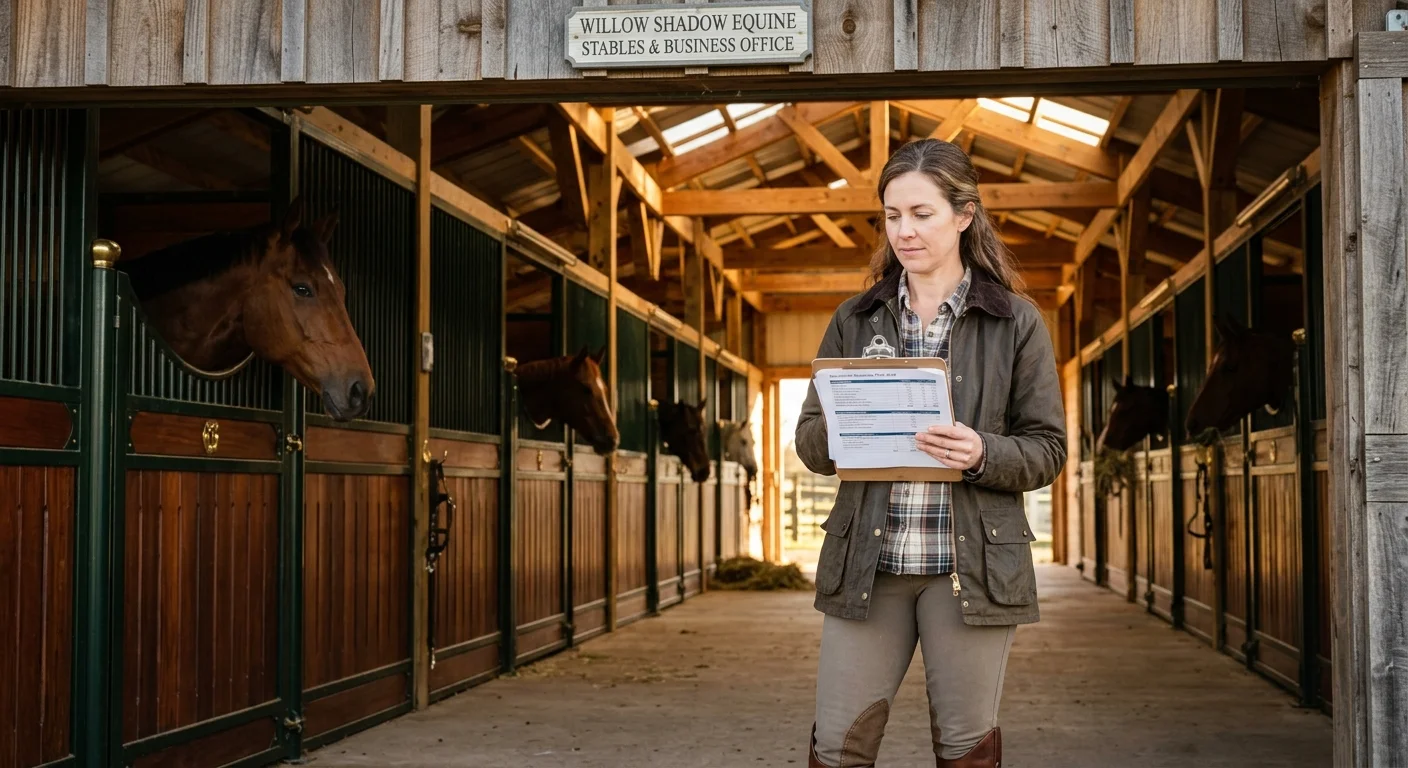
Starting a horse breeding business feels like a dream worth chasing — and it truly is. But profit doesn't come from passion alone. You also need more than a few acres of land to make it work.
A strong equine breeding program takes careful planning. You need the right bloodlines, solid facilities, and a clear understanding of what you're stepping into before the first mare arrives on your property.
So whether you're a lifelong horse person ready to go all in, or an entrepreneur who spots real opportunity in the equine industry, this guide covers every key decision you'll face. That includes picking your breeding niche, sorting out licensing, handling foaling season, and landing your first buyers. As your operation grows, building relationships with reliable equestrian suppliers can also help support everything from stable equipment to rider gear and promotional materials.
Is Horse Breeding a Viable Business? Profit Potential & Realistic Expectations
The numbers tell a complicated story — and you deserve to hear it straight.
The global thoroughbred breeding market hit $12.5 billion in 2023. It's on track to reach $18.7 billion by 2032. The U.S. horse industry alone supports 1.4 million jobs and $39 billion in direct economic impact. That's real money moving through real hands.
But the glossy brochures skip this part: industry-wide expenses exceed revenue by 240%. In 2025, 67% of sold yearlings sold at a loss. The median loss? $39,000 per horse.
Profitability exists — it just lives at the top. Farms using high-fee stallions (above $65K) hit 54% profitability. Middle-market operations land around 38%. Everyone else absorbs the losses.
Horse breeding can be a viable business. But it rewards strategy far more than sentiment. For breeders planning to establish a recognizable farm identity, working with partners that offer private label equestrian clothing can also be a smart long-term branding move, especially for events, sales presentations, and staff uniforms.
Choosing Your Horse Breeding Niche: Which Specialty Fits Your Market
Not all horses make the same money — and not all markets want the same horse.
Before you buy your first mare or stallion, know who you're breeding for. Four main niches define the industry. Each one plays by different rules.
| Niche | Avg Foal Price | Market Reality |
|---|---|---|
| Racing (Thoroughbred) | $10,000 - $100,000+ | $3.2B market growing to $4.5B by 2033 |
| Performance (Warmblood/Dressage) | $15,000 - $50,000 | KWPN foal registrations are on the rise |
| Show/Halter (Quarter Horse) | $5,000 - $20,000 | Declining registrations; saturated market |
| Pleasure/Recreational | $2,000 - $10,000 | High volume, lowest barriers, thinner margins |
Bloodline selection has a big impact here. Elite genetic lines push foal prices up by 30–100% in performance and racing niches. Genomic testing is now affordable for most breeders. It helps you fine-tune traits and cut out the guesswork before breeding season starts.
How to Research Your Local Market
Don't guess. Do this instead:
Visit 3–5 local equestrian clubs and ask which breeds sell fastest
Check breed registry data — AQHA tracks 60,000–80,000 Quarter Horse foals each year; KWPN reports 11,500+ Warmbloods
Study nearby competing farms — their pricing and bloodline focus tells you a lot about local demand
Match your niche to what your region can support. Racing dominates Kentucky. Warmbloods fetch premium prices in strong dressage markets. Pleasure horses sell at a steady pace in most areas — just at lower price points.As you evaluate the local industry, it also helps to observe how established farms present themselves professionally. Many successful equine businesses invest in branded merchandise, team apparel, and rider presentation through custom equestrian apparel, which can strengthen recognition at shows, auctions, and breeding events.
In some cases, breeders who want a more polished brand image may even collaborate with an equestrian clothing manufacturer to create coordinated apparel for staff, riders, or promotional campaigns. For operations looking to scale or diversify revenue streams, sourcing wholesale equestrian clothing can also complement a farm shop, event booth, or online store.
Writing Your Horse Breeding Business Plan: The Essential Blueprint
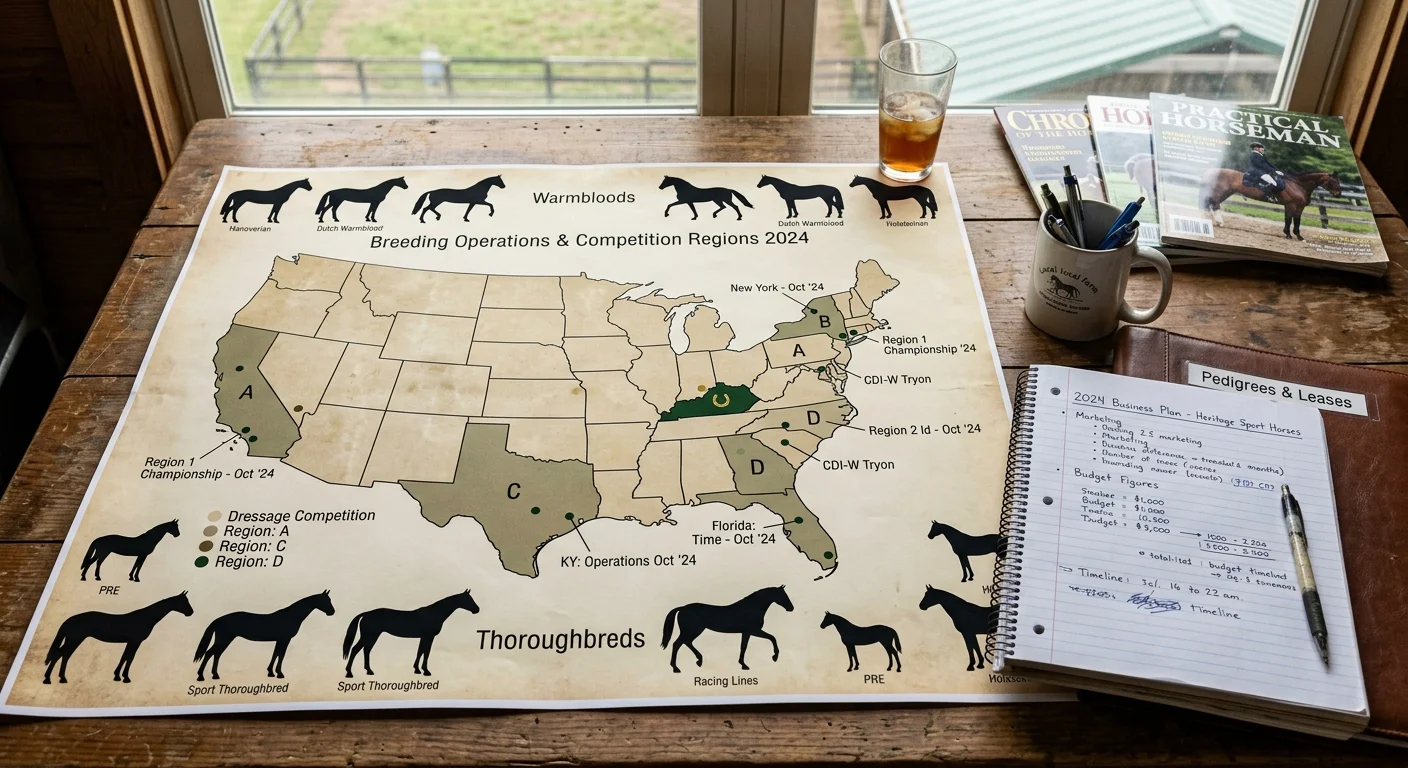
Every successful horse breeding operation starts the same way — not with horses, but with paper.
A business plan isn't glamorous. It won't smell like hay or make you fall in love the way a newborn foal will. But it's the document that turns your dream into something a banker, a partner, or an investor can take seriously.
What Your Plan Must Cover
Start with a mission statement that means something specific. Not just "we love horses." Try something like "Produce top-quality foals for competitive performance markets through selective, data-driven breeding." That's a business talking.
From there, build out four core areas:
Target customers — Are you selling to competitive riders, recreational owners, or racing operations? Get specific. Know your buyers by name if you can.
Revenue streams — Breeding alone won't carry you in the first few years. Add boarding ($400–$800/horse/month), training ($50–$100/session), and lessons ($40–$75/hour) to keep cash flowing between foal sales.
Startup costs — Budget with clear eyes: $50K–$250K for land and facilities, $5K–$10K for legal and insurance, plus a 6-month operations reserve. These numbers add up fast.
Financial projections — Four mares producing four foals at $10K each equals $40K in revenue. Run that math before you spend a single dollar.
Financing Your Start
USDA FSA Microloans offer up to $50K at 1.5–3.5% interest for small farms. That's a solid starting point. Many states also carry agriculture subsidies and breeding-specific grants. Research those options before you self-fund everything.
No Year 1 profit. Plan for it. Breakeven lands somewhere between years three and five for most farms. The ones that survive that stretch are the ones that budgeted with honest numbers from day one.
Legal Requirements for Starting a Horse Breeding Farm
The law doesn't care how much you love horses. Before your first mare sets hoof on your property as a business asset, paperwork comes first.
Choose Your Business Structure
LLC or S Corp — both protect your personal assets if something goes wrong (and in horse breeding, things go wrong). An LLC is simpler to set up, costs $50–$200 to file, and works well for most beginners. Go with an S Corp once you hit $100K+ in profit. At that point, the self-employment tax savings on distributions start to matter. Either way, grab your free EIN at IRS.gov before you do anything else.
Zoning, Permits & Licenses
There's no single federal breeding license — every state plays by its own rules. Most counties want to see at least 10 acres, a minimum of 3 equine (including 2 mares), and proof of 3+ breedings per year. In Florida, file for agricultural classification by March 1 or you miss the window. Arizona runs its process through DOR Form 82916-S. Budget 2–4 months for conditional use permit approval.
Call your local agricultural department to confirm the exact rules for your county. Don't rely on secondhand info here.
Insurance You Need
| Coverage | Annual Cost |
|---|---|
| General Liability | $500 - $2,000 |
| Veterinary Accident | $300 - $1,000 |
| Stallion Mortality | 1-3% of insured value |
Keep detailed breeding logs too. The IRS checks them to decide if your operation is a real business or just a hobby. That call determines whether your deductions hold up — so don't skip the paperwork.
Setting Up Your Horse Breeding Property and Facilities
Land doesn't lie. Start pricing out a horse breeding property and the numbers hit hard — so be ready for them.
Expect to pay $5,000–$15,000 per acre depending on your location. Barn construction runs $30,000–$100,000. Fencing adds $10,000–$30,000. Run-in sheds start at $4,300 each. Add it all up and your total startup investment lands between $100,000 and $250,000 before a single foal hits the ground.
Here's how that breaks down:
| Category | Estimated Cost |
|---|---|
| Land & facilities | $35,000 - $115,000 |
| Equipment & supplies | $5,500 - $22,000 |
| Horse purchase | $2,000 - $10,000+ per horse |
| Labor (per employee) | $25,000 - $40,000 per year |
| Insurance | $2,700 - $12,500 per year |
What Your Property Really Needs
A horse stud farm takes more than pretty pastures. Here's what your facility checklist needs to cover:
Standard stalls for day-to-day housing and individual care
Dedicated foaling stalls — birthing needs its own quiet, monitored space
Quarantine stalls to isolate new arrivals and sick animals
Hay storage and a proper manure management system
Tractors and farm equipment ($20,000–$50,000) plus a reliable horse trailer ($5,000–$20,000)
Don't skip over the ongoing costs. Feed and bedding run $150–$300 per horse per month — and that number climbs fast as your herd grows. Bulk purchasing cuts that down. Building costs make up 21% of competitive sports horse production costs. Labor accounts for another 31%. Those two line items will drive your budget more than anything else each month.
Start lean, build smart, and let the operation grow into its infrastructure — not the other way around.
Acquiring Your Foundation Horses: Mares, Stallions & Bloodline Strategy
The horses you buy first will define your business for the next decade. That's not a small decision — it's the whole ballgame.
Your foundation horses set the genetic ceiling for every foal you'll ever produce. Buy well, and you're building on solid ground. Buy on price alone, and you'll spend years trying to correct it.
Mares: Where Your Program Lives
Most of the heavy lifting in an equine breeding program happens in your broodmares — not your stallion. A good mare with a proven maternal line will produce quality foals no matter what stud fee you're paying. Look for mares with documented performance records, strong conformation, and a clean reproductive history. Understanding the temperament of different horse breeds also helps you match your breeding program to buyer expectations.
What to prioritize when selecting mares:
- Verified breeding soundness exam (BSE) before purchase
- Performance records or produce records from prior foals
- Foaling history tied to birth date — data shows foals born closer to January 1 generate higher earnings by year two and three. The effect is stronger in males
- Age and fertility — peak reproductive years run from 4–14
Stallion Strategy: Own, Syndicate, or Lease
You don't have to own a stallion to run a serious operation. Many successful small farms use outside stud services for years before buying their own stallion. That keeps overhead down and gives you the freedom to pursue the bloodlines your mares need most.
Plan to stand your own stallion? Budget for marketing costs on top of the purchase price. A stallion with no promotion gets no bookings. It's that simple.
Reading the Bloodline Market
The breed you choose shapes your entire buying strategy.
| Breed | Market Signal |
|---|---|
| Quarter Horse | ~2.8M worldwide; foal registrations down from 87,000 (2010) to 60-80,000 in recent years |
| Dutch Warmblood (KWPN) | Foal crop grew 15% from 2016-2022; strong dressage/jumping demand |
| Thoroughbred | U.S. foal crop dropped from 23,000 (2015) to 18,500 (2022) |
| Hanoverian/Oldenburg | Steady at 4,000-5,000 foals per year; no sharp decline |
The 2024 Keeneland September Sale grossed $411.8 million — the average price hit a record $150,548 with a median of $70,000. That tells you the upper tier of the thoroughbred market is healthy. It also tells you entry costs aren't shrinking anytime soon.
One more thing worth knowing: Research shows a clear pattern. Horses purchased at higher prices as foals or yearlings earned more prize money by year three — with lower odds of earning nothing at all. Price and quality are tied in this industry more than most people want to admit.
Focused on Quarter Horses? Check FQHA eligibility before you buy. Only horses carrying 85% or above Foundation Quarter Horse blood qualify for Foundation registration. That bloodline distinction has a real impact on your resale market.
Buy the best foundation horses your budget allows. Then build from there.
Managing Horse Breeding Operations: Reproduction, Health & Daily Care
Here's what nobody tells you until you're standing in a dark barn at 2 a.m. watching a mare in Stage 2 labor. Running a breeding operation takes equal parts science, instinct, and sheer stubbornness.
Understanding the Mare's Reproductive Cycle
Timing is everything in horse breeding. Mares cycle from February through June in the Northern Hemisphere — that's your window. Each cycle runs 21 days. Ovulation hits on Days 0–2. Miss it, and you wait another three weeks.
Before breeding, get your mare's body condition score to 6–7 out of 9. That sweet spot matters more than most beginners expect. For AI, wait until her follicle reaches 35mm or larger. Don't rush it.
Artificial Insemination vs. Natural Cover
Both methods work. They just work in different ways.
| Aspect | Artificial Insemination | Natural Cover |
|---|---|---|
| Success Rate | 60-70% per cycle | 70-85% per cycle |
| Cost per Cycle | $200 - $500 | $1,000 - $5,000 |
| Disease Risk | Low | Higher |
| Scalability | High | Limited |
AI costs less per cycle. One stallion can serve multiple mares at the same time. Natural cover has higher success rates — but also higher fees and quarantine requirements. Most modern operations lean toward AI, at scale.
To boost pregnancy rates:
- Schedule twin reduction ultrasound at Days 10–14
- Use progesterone supplementation Days 5–21
- Vaccinate mares before breeding season opens
Foaling Season: The Moment That Defines Your Year
Monitor foaling via webcam. Step in if Stage 2 labor runs past 30 minutes. The placenta must pass within 3 hours post-birth. A retained placenta is a veterinary emergency — full stop.
Start weaning at 4–6 months. Use gradual separation over 1–2 weeks. Introduce creep feed two weeks before weaning starts. Aim for foals reaching 50% of adult body weight before full separation.
Daily Operations and Health Tracking
Your stallion's semen needs to show above 60% motility before breeding season. Cap collections at 40–60 mounts per day. Build in mandatory rest every 1–2 days. Push past that limit, and quality drops fast.
Management software like Stable Secretary or BarnManager puts health records, foaling alerts, and expense tracking all in one place. Worth every penny — especially across a busy breeding season with multiple mares to track.
Pricing Strategy and Revenue Streams for Your Horse Breeding Business
Wrong foal pricing is one of the fastest ways to kill a horse breeding business — and it happens more than anyone wants to admit.
The math is brutal. Your selling price needs to clear these numbers. Fall short, and you're not running a business. You're funding an expensive hobby.
Know What the Market Will Bear
Scale changes everything. Small operations with around five mares often take a net loss of €6,102 per competitive horse. Fixed costs are too heavy to spread across a small herd. Larger farms with 20 or more mares flip that equation. They average a €1,625 gain per horse because volume carries the weight that margins can't.
Registered horses command a serious premium over unregistered stock. Mid-tier horses tend to sell below production cost — that's a real problem if you're not watching your numbers. The top of the market is a different story. The 2024 Keeneland September Sale averaged $150,548 per horse, with a median of $70,000.
Build Multiple Revenue Streams
Foal sales alone won't keep you afloat. Breeding income is seasonal and hard to predict. Build other income sources around it:
Each stream takes pressure off foal sales and keeps cash moving through slower months.
Adjust Your Prices Strategically
Raise prices as demand pushes past your capacity. Do the same as feed and labor costs climb, or as local competitors price higher. These are clear signals your current rate is too low.
After any price change, track three things: client retention, sales volume, and your actual margins. All three tell you something different. Watch them together — that's how you catch problems early before they compound.
Marketing Your Horse Breeding Business to Attract Buyers and Clients
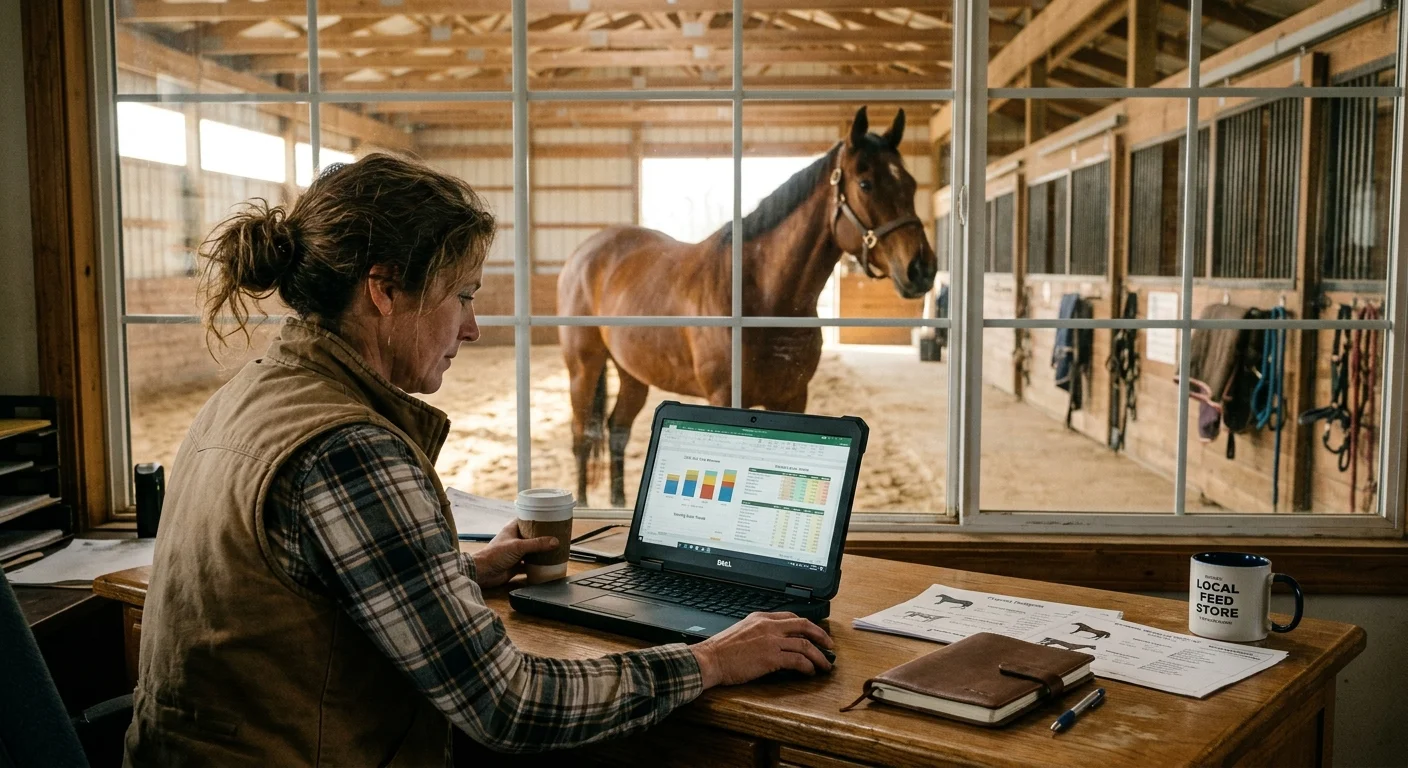
Buyers don't find great horses by accident — they find them because someone made sure they would.
Over 90% of sport horse foals sell through private sales, word-of-mouth, and online classifieds — not formal auctions. That means relationship-building and a strong digital presence matter far more than landing a spot in a big-name sale ring.
Show Up Where Horse People Are
Start with breed association expos and online equestrian communities. Forums like The Horse Forum and HorseCity put you face-to-face with serious buyers. Facebook equestrian groups reward breeders who stay active. Run live Q&As each week, post polls about bloodline preferences, and join real conversations. That kind of steady, day-to-day interaction builds loyalty no print ad can match.
Let Your Foals Do the Talking Online
Post Instagram Reels and Stories of your foals on a set schedule — once or twice a week works well. Pair those visuals with honest bloodline storytelling. Show the pedigree. Explain what makes those genetics worth caring about. Also, work with micro-influencers in dressage, barrel racing, or eventing. You reach the right niche audiences without a massive ad budget.
Build a Website Buyers Can Find
Optimize your site around keywords like horse stud farm and equine breeding program. Claim your Google Business Profile too. It can boost local search visibility by 20–30%. That's a big deal for regional clients searching for stud fees or mare boarding services.
Give Buyers Every Reason to Trust You
Display studbook certificates
Share vet health reports every quarter
Publish your standard breeding contract terms — health guarantees, payment schedules, and foal ownership transfer details
Collect client testimonials and put them somewhere buyers can see them
Trust isn't assumed in this industry. You earn it one documented detail at a time.If you're attending breeding expos, horse sales, or equestrian competitions, branded team wear can reinforce professionalism. Investing in custom equestrian apparel for your staff or riders helps buyers remember your farm and signals that you run a serious, organized business.
Common Mistakes to Avoid When Starting a Horse Breeding Business
Even the best plans can fall apart fast once reality kicks in. Here are the mistakes that trip up new breeders most often — and how to sidestep them before they cost you.
Conclusion
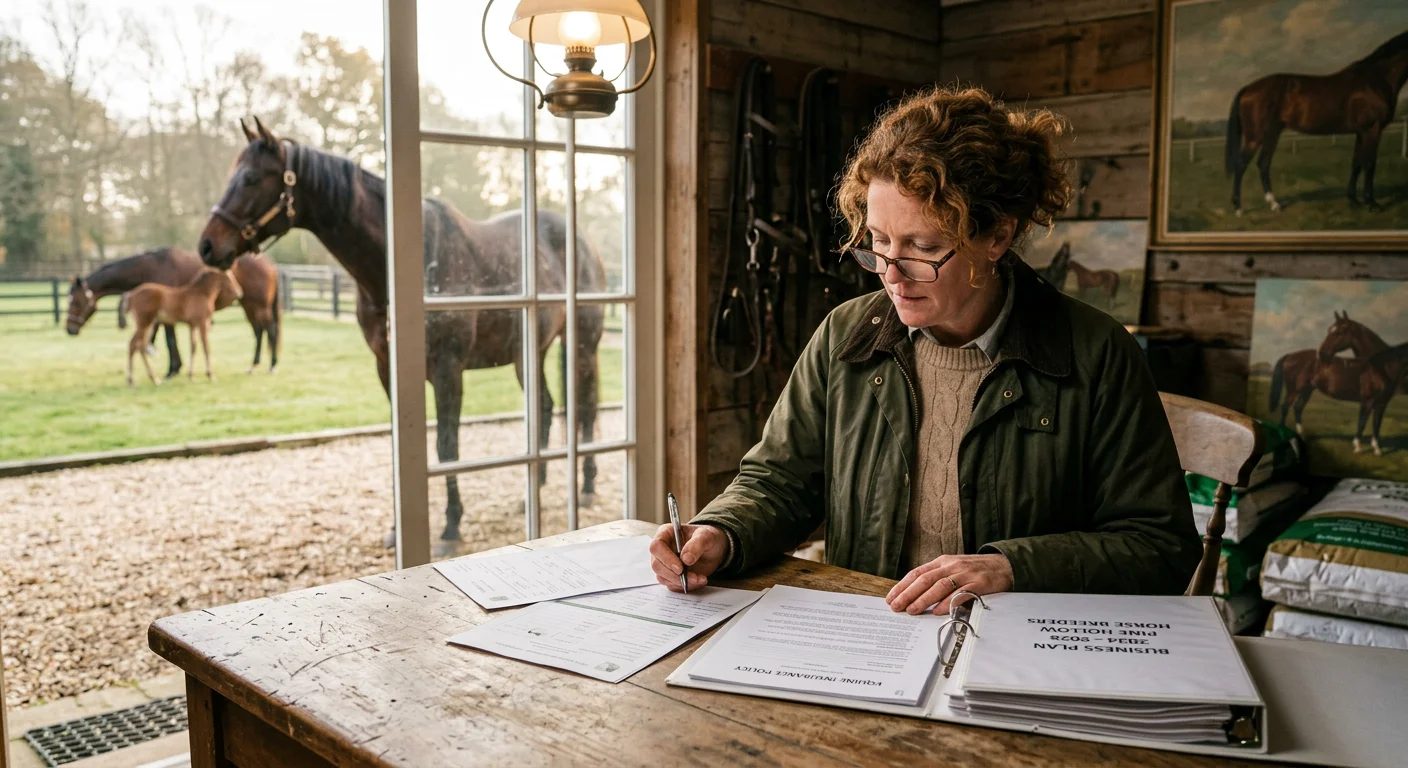
Starting a horse breeding business takes real intention. You build it — one careful decision at a time. Picking the right bloodlines, setting up your facilities, meeting licensing requirements, finding your first buyers — every piece counts. Now you have the full picture.
Here's the truth: successful breeders aren't always the ones with the biggest barns or the deepest pockets. They're the ones who do their homework. They stay patient through the slow seasons. They love what they do. That passion? It's your most underrated business asset.
So don't let this guide collect dust in a browser tab. Pick your niche. Sketch out your equine breeding program. Take one real step forward this week. It doesn't have to be big — a phone call works. So does walking your property with a fresh set of eyes.As you move forward, remember that long-term success in the equine world often comes from combining excellent horsemanship with smart business decisions. Whether that means strengthening client trust, refining your farm image with custom equestrian apparel, or partnering with dependable equestrian suppliers, every professional detail contributes to how your business is perceived.
The horses are waiting. So is your business.