A horse and rider perform a perfect pirouette. Thoroughbreds thunder down the track, shaking the ground beneath. Equestrian sports captivate millions worldwide—but which ones dominate the global stage?
Competitive horse riding has evolved significanly. Some disciplines draw Olympic-level attention, while others build devoted regional followings. For beginners and industry professionals alike—whether you are sourcing equestrian supplies or choosing a discipline—understanding popularity goes beyond numbers. It is about finding where passion meets opportunity.
This guide breaks down the ten most popular equestrian sports, analyzing participation data, prize money, and global reach. Whether you are a rider or looking to connect with top equestrian clothing manufacturers, you will gain insider knowledge to navigate this diverse universe.
Dressage: The Art of Precision and Harmony
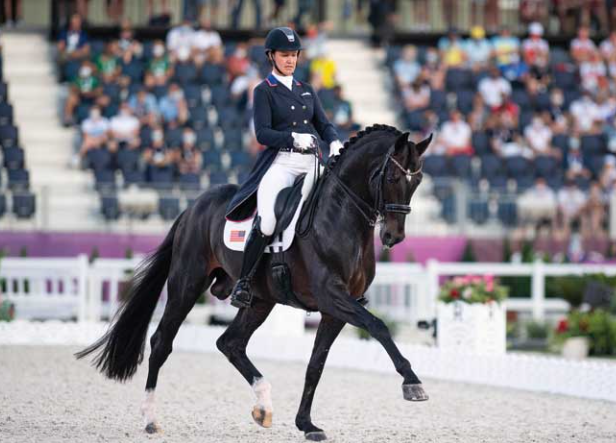
German roots. French name. Universal language of partnership.
Dressage strips away everything but the conversation between horse and rider. No jumps or speed trials—just movements that demonstrate years of training. The sport requires invisible cues; a pirouette must flow as easily as a walking step.
Competitions build on this idea. Training Level teaches basic gaits, while Grand Prix displays Olympic-level movements like piaffe and passage. The 2025 US Dressage Finals highlighted this range: 300+ riders competed across divisions from Training to Grand Prix in Wilmington, Ohio, where 37 titles were awarded. Adult amateurs rode alongside open competitors, proving the sport's depth.
The numbers show dedication. At the 2025 U.S. Dressage Festival of Champions, Claire Tucker and Finnur scored 85.000% to claim gold. Warlimont and Dewey reached 88.200% in the FEI 6-Year-Old Preliminary Test. These percentages measure performance against a perfect standard.
Elite riders chase decimal points. Carl Hester holds 12 European Championships appearances, a record for male riders. The path to compete remains structured: riders qualify through 9 regional championships sanctioned by USDF. Dressage rewards patience, producing a bond neither horse nor human can achieve alone.
Show Jumping: Speed Meets Agility
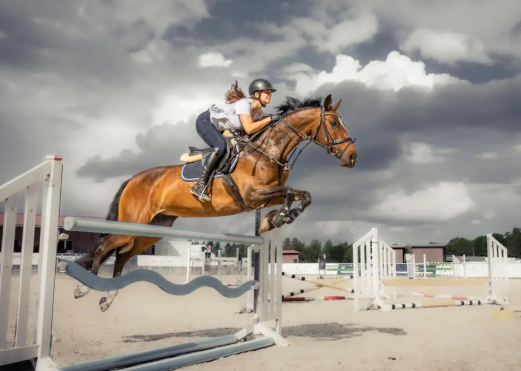
Courses measure 500-600 meters. Riders cover them in under 90 seconds. Horses launch over 1.6-meter fences at 400 meters per minute. The math is brutal: one knockdown costs four faults.
Show jumping reduces equestrian sport to pure athleticism: Boldness. Scope. Power. Accuracy. The horse needs explosive strength, while the rider needs split-second timing. The commercial machine runs on these numbers, fueled by a demand for high-performance horses and top-tier equestrian supplies.
The Longines Global Champions Tour distributes over €22 million annually. The 2025 finals alone offer massive purses: €10 million for the GCL Super Cup and €1.25 million for the LGCT Super Grand Prix. Scott Brash once collected a €1 million bonus on top of his winnings for the Rolex Grand Slam.
Competition follows a ladder. USEF rates courses from Level 0 to Level 9. International FEI events start at 1.50 meters, with Grand Prix obstacles reaching 1.6 meters. The puissance world record stands at 2.40 meters, set by Franke Sloothaak.
First rounds test technical skill. Clear the course without faults, and you advance to the jump-off where speed is everything. Youth programs feed this pipeline, with the FEI North American Youth Championships dividing riders by age, tackling courses from 1.20 meters to 1.45 meters.
The sport attracts money because it attracts attention. 139 million Instagram Reels are watched every minute, and TikTok brings equestrian content to a massive audience. Biologically, the sport is demanding; most competitive show jumpers stand over 16 hands (163 cm) and are bred from athletic Warmblood or Thoroughbred lines. Riders at this level invest in specialized equestrian jackets for both competition and training.
Eventing: The Ultimate Equestrian Triathlon
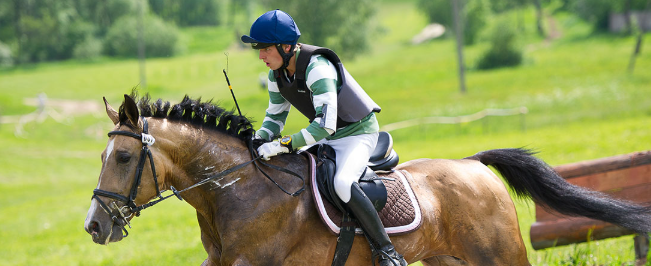
Three disciplines. Three days. One champion.
Eventing tests horse and rider through dressage skill, cross-country stamina, and show jumping accuracy. Originally a military test, today's riders face the same grueling standard where each phase reveals weaknesses.
Phase one shows the truth. Dressage requires flexibility and control. Judges turn scores into penalty points; lower scores win. Cross-country sorts out who survives. Riders tackle 2.75 to 4 miles with 24-36 fixed solid obstacles at full speed. Unlike show jumping, these logs and stone walls do not fall. Hitting one wrong can end in a fall.
Time is critical. Exceeding the optimum time adds 0.4 penalties per second. A first refusal costs 20 penalties, while a second ends the run. Show jumping finishes the test. After the wear of cross-country, horses must clear tight obstacles. Knocked rails cost 4 penalties each, often destroying title hopes in the final moments.
Safety gear is mandatory, including ASTM-approved helmets and body guards. Starting December 2025, specific safety stirrups will be required. USEF runs seven national levels, and Upper levels require Minimum Entry Rules. Eventing is unforgiving—it reveals exactly who you are as a rider.
Horse Racing: The Sport of Kings with Mass Appeal
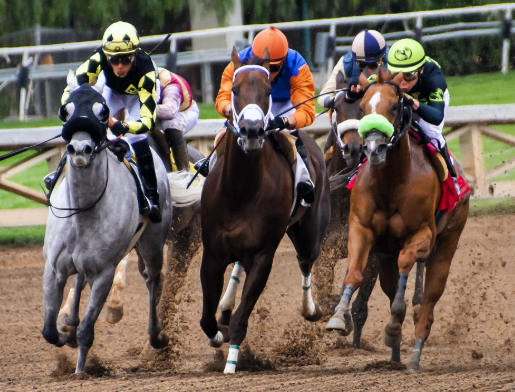
Billions flow through betting windows. Crowds roar as hooves pound dirt. Horse racing built an empire on speed.
The global horse racing market sits at $523 billion in 2025 and is projected to reach $928 billion by 2032 with a CAGR of 8.8%. The U.S. track industry alone generates $6.3 billion, while the betting market adds another $47.18 billion.
Flat racing leads the pack. Breeders spend generations creating faster horses. Events like the Kentucky Derby, Royal Ascot, and Breeders' Cup pour billions into prize money. Digital platforms have revolutionized the fan experience, with online streaming and social media erasing distance limits.
Young fans are the future. The U.S. market is expected to grow by $114 billion from 2024 to 2028. Younger audiences engage through fantasy leagues and micro-bets. Tracks are evolving with better facilities, safer surfaces, and stricter drug testing to maintain integrity. The "Sport of Kings" is now accessible to anyone with a smartphone.
Reining: Western Riding's Precision Showcase
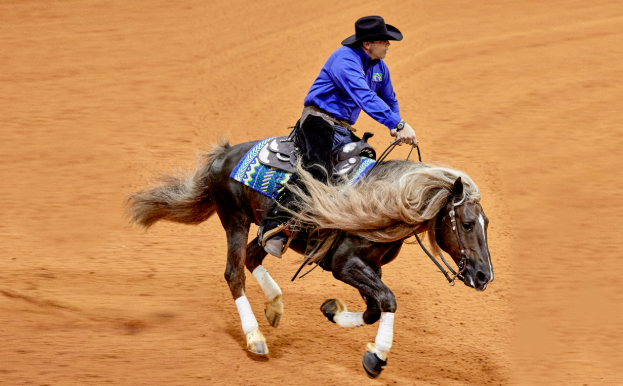
Sliding stops throw dirt twenty feet. Spins blur horse and rider into one rotating force.
Reining strips Western riding down to athletic truth. Quarter Horses perform specific patterns including circles, flying lead changes, and rollbacks. Judges score starting at 70; each mistake costs points, while perfect runs push past 220. To perform at this level, a rider needs a perfectly fitted custom equestrian outfit that allows for subtle cues and movement.
The genetics tell the story. Gunnatrashya offspring earned $3,424,365 in 2024, averaging $8,212 per performer. Quality beats quantity; Spooks Gotta Whiz averaged $9,516 per offspring. At the 2024 American Performance Horseman Championship, Casey Deary scored 226.5 to win, with less than 10.5 points separating first from fourth place.
The money proves commitment. Championships split millions in prize money, and QData tracks rankings across all categories. Quarter Horses dominate, bred for athleticism and grit. Frozen Sailor's offspring have earned nearly $2 million, proving that good genes do not age out. Reining demands precision measured in decimal points.
Endurance Riding: Testing Stamina Over Distance
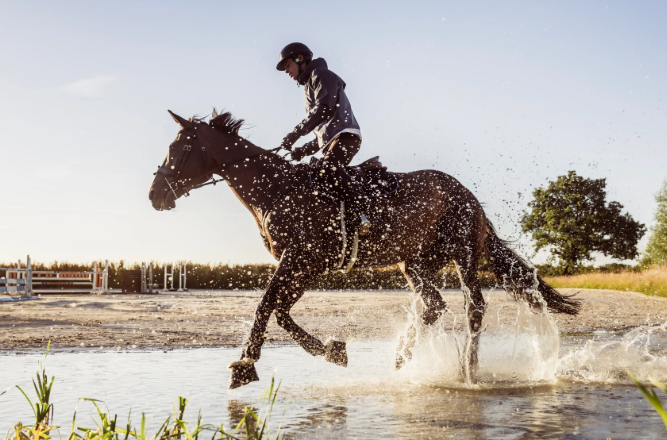
Fifty miles feels impossible until you've done it. One hundred miles sounds insane even after.
Endurance riding measures pure stamina. Riders tackle 50 to 100 miles in a single day. The 50-mile mark is common in America, while championships push to 160 kilometers (100 miles).
The structure forces honesty. Unlike other sports, vet checks happen every 40 kilometers. Heart rate, hydration, and gait are scrutinized. Fail a check, and you are out. At 160 kilometers, the elimination rate reaches 53%, primarily due to lameness or metabolic issues.
Data from New Zealand shows the median horse age is 9 years old, covering hundreds of kilometers per season. Recovery is key: a 100-kilometer ride requires 1-3 months of rest. Yet, riders like Dave Rabe have logged 78,537 career miles. The current 160km world record stands at 5 hours, 45 minutes—an average speed of 17 mph.
Endurance riding doesn't allow for shortcuts. It requires strategic pacing and robust equestrian supplies to keep horse and rider safe over difficult terrain.
Vaulting: Gymnastics on Horseback
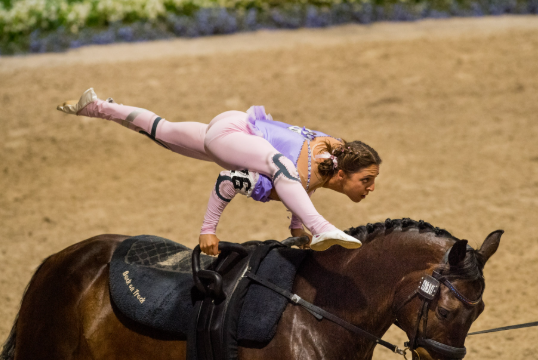
Gymnasts flip and balance on a moving horse. No saddle. Just a surcingle and trust.
Tracing back 2,000 years to Roman training, modern vaulting involves performing routines at a canter. While it looks dangerous, vaulting logs just 0.44 injuries per vaulter each year, making it safer than show jumping. Most injuries are minor bruises, though risk increases with the complexity of routines.
Competition has three types: Solo, Team (where up to three vaulters mount simultaneously), and Pas de Deux. Judges score strength, flexibility, and the harmony with the horse. Physics plays a role; peak body height calls for control rather than just explosive power.
The horse makes the score. Draft and warmblood mixes are preferred for their steady gaits on a 12-15 meter circle. Gear is minimal, but safety has evolved with the use of vaulting barrels for training. Research on 233 active vaulters highlights that safety plans must focus on advanced routines where the real risk lies.
Driving: The Carriage Sport Revival
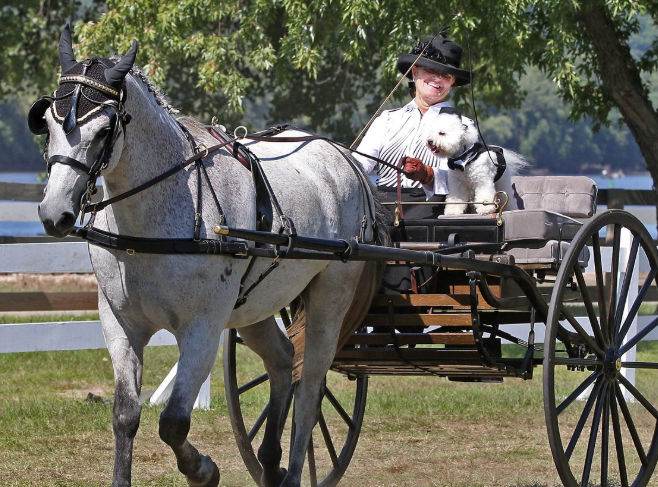
Carriages have returned from history's corner to the competitive arena.
Combined driving challenges horses in singles, pairs, or four-in-hand teams. Drivers navigate obstacles and speed sections. Interestingly, 82% of participants are female, and over two-thirds are 50 years or older. This demographic creates a unique environment where teams span generations.
One horse works with many athletes. This efficiency helps rising talent and supports Para-Driving athletes. While competition volume is modest (about 1.8% of disciplines in some regions), the growth potential is significant in the leisure market. Driving offers a rare pathway: a sport that ages gracefully with you.
Para-Equestrian Dressage: Inclusive Excellence
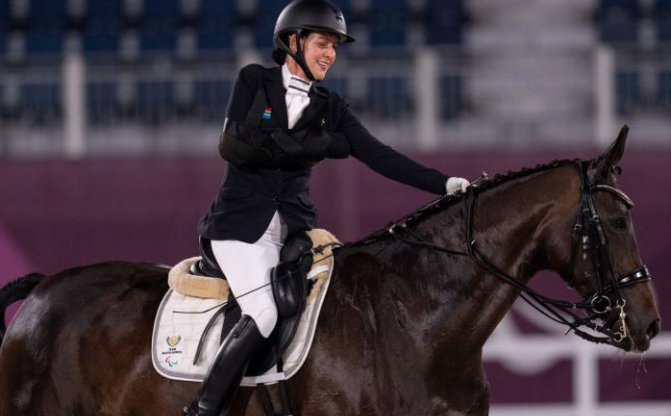
Physical impairment doesn't stop partnership. Para-equestrian dressage proves it.
The system relies on five grades, from Grade I (most physical challenges) to Grade V. Doctors classify athletes to ensure fair play. Classification takes place at major hubs like the Tryon International Equestrian Center and USET Headquarters.
The US Para Dressage Team secured team bronze at the Tokyo Paralympics and the World Championships. US Equestrian now supports over 2,300 competitions annually, with nearly 80,000 licensed individuals. Similarly, the UK has invested millions into the sport, boosting membership and medal potential.
Costs are high—running a CPEDI event hits five figures—but media coverage is growing. Judges score the horse and athlete as a unified team, where the horse compensates for the rider's physical limits. It matches the high standards of traditional dressage, simply adapting the path to reach them.
Choosing the Right Equestrian Sport for You
Your age, budget, and body will pick your discipline before you do.
Youth riders have the numbers. Ages 10-19 make up 32% of injuries, simply because they represent such a large chunk of participants. Pony Clubs provide access, while adult amateur numbers climb in the thirties and forties as financial stability returns.
Gender shapes the field: 73-75% of participants are female at the amateur level. While dressage draws mostly women, the Olympics see men and women compete head-to-head. Safety is paramount; riding has 3.7 injuries per 1,000 hours, safer than basketball but with higher severity risks. Helmets prevent two out of three major injuries. Wearing proper riding breeches also contributes to safer, more controlled riding.
Budget is the filter. Vaulting and driving allow cost-sharing. Dressage and jumping often require personal horses and ongoing training fees. Reining requires specific breeds. When starting, consider your access to a custom equestrian clothing supplier or local tack shop, as proper gear dictates safety and comfort.
The sport picks itself based on four questions: How old are you? What is your budget? What is your risk tolerance? What access do you have? Everything else is preference.
RunEquestrian: The Manufacturing Standard
Factory floors don't lie. Operating 5,000 square meters since 2009, RunEquestrian has established itself as a premier equestrian clothing manufacturer. Half a million breeches ship each year to 30+ countries, serving over 200 brands that trust our production line.
We built our reputation on metrics that matter. Our defect rate sits at 0.3%—ten times better than the industry standard. Abrasion testing proves our materials survive 20,000+ cycles. While most competitors struggle with delays, our on-time shipping hits 98%. This reliability is why clients looking for OEM/ODM services stay with us long-term.
Production speed sets us apart. Startups often struggle with high barriers to entry, but our equestrian clothing factory offers MOQs starting at just 100 pieces. Sample turnaround takes 7 days. Standard bulk orders ship in 20 days. Whether you need standard gear or custom equestrian competition attire, our seven quality checks catch problems before shipping.
The technical side shows deep knowledge. We utilize 500+ rider body data points for pattern cutting and offer 50+ riding-specific fabric blends. We support brands looking for private label equestrian clothing by providing fabrics that wick sweat 30% better than generic polyester. Sustainability is not just marketing here; our dyeing process uses 40% less water, and GRS-certified options are available.
""If we won't wear it in the saddle, we don't ship it."— Michael Zhang, Founder
Michael Zhang, the founder, tests samples personally. From Li's flat-lock stitching to Zhao's 20-day shipping workflow, the team bridges the gap between complex textile work and simple business solutions. We don't just sell dreams; we ship custom equestrian clothing that survives real use.
Conclusion
Equestrian sports offer something for everyone. Whether you love the grace of dressage competition, the thrill of show jumping events, or the grit of three-day eventing, there is a discipline that fits your style. These sports mix athletic skill with emotional intelligence, creating a deep bond between horse and rider.
As you embark on this journey, remember that quality matters—from the training you receive to the equestrian supplies you use. Finding the right custom equestrian outfit can enhance your performance and safety. Visit local centers, watch different disciplines, and find the one that sparks your passion. That is what brings you back to the barn.
Your perfect equestrian adventure is waiting. Which saddle—and which sport—will you choose?