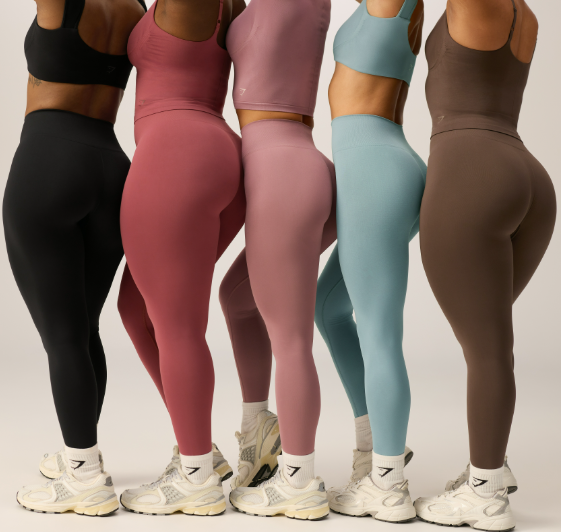
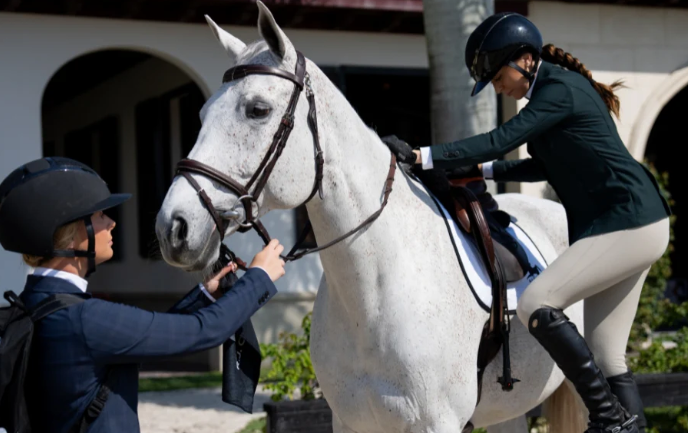
You're standing in the tack shop, looking at racks of stretchy riding pants. What makes riding tights different from jodhpurs? You're not alone in asking this. Even experienced riders mix up these terms. Pick the wrong type? You'll slide around in the saddle or deal with uncomfortable bunching. Worse, you might show up to a schooling show in the wrong attire.
The difference matters significantly in the world of equestrian supplies: one extends to your ankles and pairs with tall boots. The other stops at your calf and needs paddock boots. Beyond length, grip technology differs, and fabric construction varies immensely. Each style works best in different situations, a distinction well known by top equestrian clothing manufacturers.
Getting your first riding lesson? Or upgrading from borrowed breeches? Know the difference and you'll save money. You'll feel more confident. Plus, you'll stay comfortable in the saddle whether you are buying off-the-rack or looking for custom equestrian apparel.
What Are Riding Tights? Key Features & Performance
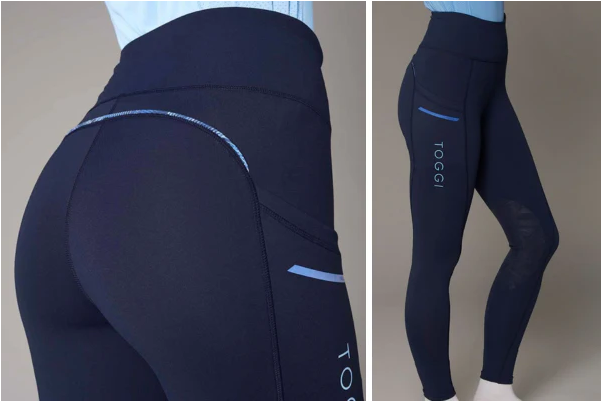
Riding tights are the equestrian version of performance leggings. Think gym leggings, but built for horseback riding by specialized equestrian manufacturers. These full-length, stretchy pants hug your body from waist to ankle. They pair well with tall riding boots or paddock boots. Unlike traditional breeches, they typically feature a pull-on design with no zippers, buttons, or belt loops.
Riding tights feature a wide, elastic high-rise waistband that you pull on. This creates a smooth silhouette. No hardware digs into your sides while bent forward in the saddle. The high waist stays in place during mounting and dismounting. Leading equestrian outfit manufacturers focus heavily on this comfort factor.
Fabric and Grip TechnologyThe material sets riding tights apart from regular athletic wear and makes them a staple in any equestrian supply inventory. You get 4-way stretch fabric that moves in every direction—sideways, lengthwise, and at angles. This means knitted synthetic blends like polyester/spandex or nylon/elastane. Standard riding tights run 240-300 GSM (grams per square meter), significantly heavier than gym leggings (160-260 GSM). This heavier build prevents see-through moments and withstands saddle friction.
Silicone grip patterns set riding tights apart. Wholesale riding tights generally come in three varieties:
Full seat panels: Silicone covers your entire seat and inner thighs for maximum saddle contact.
Knee patches: Grip zones at your knees for leg stability during posting trot.
Targeted strips: Inner thigh placement for balanced grip without excess stick.
Breathability is key. Moisture-wicking fabrics pull sweat away from your skin, and mesh panels often aid airflow. While they are incredibly comfortable, they do come with trade-offs. The "casual appearance" works against formality, meaning they are rarely suitable for high-level competition compared to custom equestrian clothing designed for the show ring. Use them for training, barn chores, or gym crossovers, but swap them out for formal events.
What Are Jodhpurs? Tradition & Durability
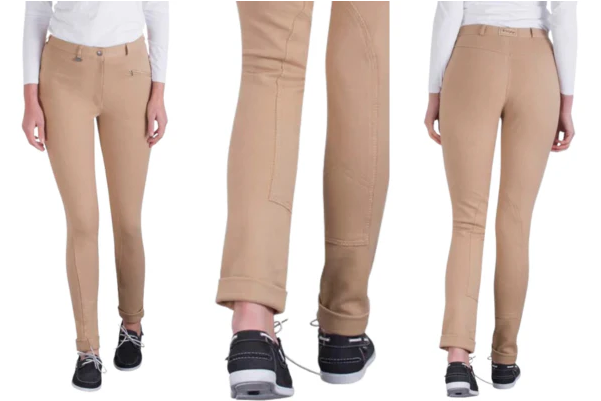
Jodhpurs came to English riding around 1890, answering the need for pants that didn't bunch when worn with short boots. These pants run ankle-length and fit snug from waist to cuff. They stop at your ankle bone where paddock boots meet them—short boots with laces or zips. This design is a hallmark of traditional equestrian clothing manufacturer catalogues.
The Ankle Cuff and Construction
The key feature is the snug ankle cuff, often featuring elastic ends or ankle straps that loop under the arch of the foot. This keeps the fabric from riding up your leg. Unlike the seamless nature of tights, jodhpurs are meant to sit outside your paddock boot.
Modern versions keep the ankle-length design but have evolved. While original styles used thick cotton twill, modern custom jodhpurs utilize stretch fabrics that sit between breeches and riding tights in weight. They offer toughness without losing movement.
Most jodhpurs include functional details like French fly fronts, belt loops (unlike tights), and reinforced knee patches. These patches provide stability and protection from stirrup leather rubbing. This level of detail is why high-end custom jodhpurs are still sought after for specific disciplines.
Who Needs Them?Jodhpurs are the go-to for young riders (as they outgrow boots fast), casual riders who prefer short boots, and Saddle Seat riders who wear specific "Kentucky Jodhpurs" that flare over the boot. While they offer superior durability and weather protection compared to tights, the ankle bulk makes them uncomfortable if you try to stuff them inside tall boots. For serious adult competitors, they are often replaced by breeches, but they remain a vital part of the wholesale equestrian clothing market for schools and academies.
Riding Tights vs Jodhpurs: The Key Differences
- Fit: Full-length, second-skin
- Boots: Works with tall or short boots
- Material: 240-300 GSM stretch fabric
- Style: Modern athleisure
- Best For: Training, hot weather, gym crossover
- Fit: Ankle-length with cuff
- Boots: Paddock boots + half-chaps
- Material: Cotton-blend, heavier build
- Style: Traditional, since 1890
- Best For: Youth, durability, barn work
Understanding the distinction helps you stock your wardrobe or your shop if you are dealing in equestrian supplies. Here is what separates these two styles.
Material Construction & Climate Performance
Riding tights use technical stretch fabrics at 240-300 GSM. These synthetic blends move with you and breathe well, making them ideal for hot weather. Jodhpurs often utilize a cotton-blend construction. They are thicker, less breathable, but offer better resistance to wear, which is why many equestrian clothing manufacturers market them for heavy-duty daily use.
The Boot Pairing Reality
This is the dealbreaker. Riding tights work with short boots or tall boots because the leg is slim enough to fit inside a boot shaft. Jodhpurs need paddock boots plus half-chaps. The cuff sits outside the boot. If you try to wear jodhpurs with tall boots, the fabric bunches at the ankle, causing pain and reducing contact. This specific use case drives the design philosophy for any equestrian clothing factory.
Formality and Cost
Riding tights live in the casual-athletic zone. They are perfect for schooling but generally banned in rated competitions. Jodhpurs occupy a traditional training ground, often acceptable for children in shows or adults in casual settings. In terms of price, tights often have a lower entry point (£20-£50), while durable jodhpurs created by equestrian manufacturers can range higher due to the complex construction (£30-£60+ for basics, much more for high-end custom jodhpurs).
Best Times to Wear Riding Tights
Riding tights work best for movement-focused activities where formality takes a backseat. The 4-way stretch fabric makes them a favorite in the custom equestrian outfit market for daily comfort.
Training and Arena Sessions
Flatwork needs freedom of movement. Riding tights give you exactly that. The lighter build grips without locking you down. Your hips can follow the horse's motion during sitting trot. For riders ordering custom equestrian clothing, specifying silicone grip patterns allows for a tailored feel during training. The flexibility makes them ideal for yoga or gym sessions before or after the barn, highlighting the "athleisure" trend that equestrian outfit manufacturers are capitalizing on.
Hot and Cold Weather
In summer, the moisture-wicking fabric pulls sweat away fast, keeping you cooler than traditional breeches. In winter, fleece-lined versions layer easily under boots. However, skip tights for formal competitions. Most rated shows require traditional attire, and showing up in patterned tights from a wholesale riding tights collection might disqualify you or affect your scoring.
Best Times to Wear Jodhpurs
Jodhpurs work great in three areas: teaching beginners, barn work, and casual competitions. Their structured design is a staple for any comprehensive equestrian supply store.
Learning Environments and Youth Programs
Beginner lessons rely on jodhpurs. Kids grow fast, and paddock boots are cheaper than tall boots. The tight ankle cuff and knee patches help young riders feel their leg position. Instructors often prefer this feedback loop. This durability makes them a favorite for wholesale equestrian clothing buyers outfitting riding schools.
Everyday Riding and Barn Tasks
Jodhpurs are tough. Mucking stalls, carrying hay, grooming horses—the fabric resists wear and the ankle cuff keeps dirt out of your boots. Unlike delicate custom equestrian apparel meant for showing, jodhpurs are workhorses. While they are acceptable for lower-level showing or in-hand classes, adult riders usually switch to breeches for rated competitions to maintain a professional look.
Common Questions: Riding Tights vs Jodhpurs
💡 Pro Tip for BuyersWhen stocking a retail shop, wholesale riding tights typically move faster due to athleisure crossover appeal. However, always include jodhpurs for your student and youth demographic—they're a staple for riding schools and beginner programs.
Can I Wear Riding Tights with Tall Boots?
Yes, and they are often more comfortable than breeches because they lack Velcro bottoms. However, ensure the fabric isn't too bulky. Jodhpurs, on the other hand, should never be worn with tall boots due to the ankle cuff.
Should Kids Wear Riding Tights Instead of Jodhpurs?
For casual lessons, tights are fine and often cheaper. For serious training, custom jodhpurs or standard jodhpurs are better. They protect the leg from stirrup rubs and teach better position. Plus, the adjustable waists in jodhpurs accommodate growth spurts better than the fixed stretch of tights.
What is the difference for retailers?
If you are stocking a shop, wholesale riding tights move faster due to the athleisure crossover. However, wholesale equestrian clothing orders should always include jodhpurs for your student and youth demographic.
Looking for Wholesale Equestrian Legwear?
RunEquestrian offers both riding tights and jodhpurs with custom branding options. 7-day samples, 20-day bulk delivery.
Explore Custom OptionsRunEquestrian: Your Partner in Manufacturing
Michael Zhang started RunEquestrian in 2009 after testing dozens of riding pants that failed on the trail. Recognizing a gap in the market for high-quality, durable gear, he built a 5,000 sqm ISO-certified equestrian clothing factory in China. Today, the company ships over 500,000 pieces annually to more than 30 countries, asserting itself as a leader among equestrian clothing manufacturers.
Manufacturing Excellence & OEM/ODM ServicesWe specialize in private label equestrian clothing and offer comprehensive OEM/ODM services for brands worldwide. Whether you need standard schooling gear or high-end custom equestrian clothing, our facility delivers. Samples arrive in 7 days, and bulk orders ship in just 20 days. Our 98% on-time delivery rate beats the industry standard significantly.
Quality is paramount. Our defect rates stay under 0.3%, compared to the competitor average of 2-5%. We perform abrasion tests hitting 20,000+ cycles. As a premier equestrian clothing manufacturer, we offer over 50 riding-specific fabrics, including those with 30% better sweat-wicking properties than standard polyester.
Solutions for Every BrandOur catalog includes 500+ products available for customization, from custom equestrian outfit sets to wool rugs and bags. We support startups with low minimum orders (100 pieces) and serve established brands needing reliable wholesale equestrian clothing. Our commitment to sustainability includes the Re-Ride™ line, using GRS-certified recycled fabrics.
Trusted by 200 global brands and riding schools, RunEquestrian is not just a factory; we are equestrian manufacturers who understand the sport. With 24-hour support and expert consulting, we help you build the perfect inventory, from wholesale riding tights to high-end custom jodhpurs.
Conclusion
Choosing between riding tights and jodhpurs depends entirely on your riding goals and environment. Riding tights offer a modern, second-skin fit perfect for daily training, hot weather, and casual riding. They represent a significant portion of modern equestrian supplies due to their versatility. Jodhpurs remain the classic choice for youth, durability, and traditional paddock boot pairings.
If you are a retailer or brand looking to expand your line, understanding these nuances is critical. Whether you need custom equestrian apparel, durable school uniforms, or high-end custom equestrian clothing, sourcing from reliable equestrian outfit manufacturers ensures your customers get the performance they trust. At RunEquestrian, we help you navigate these choices, providing top-tier OEM/ODM services to bring your unique vision to life.
Ready to upgrade your inventory? Start with quality. Whether it's a custom equestrian outfit or a staple line of private label equestrian clothing, the right gear makes all the difference in the saddle.